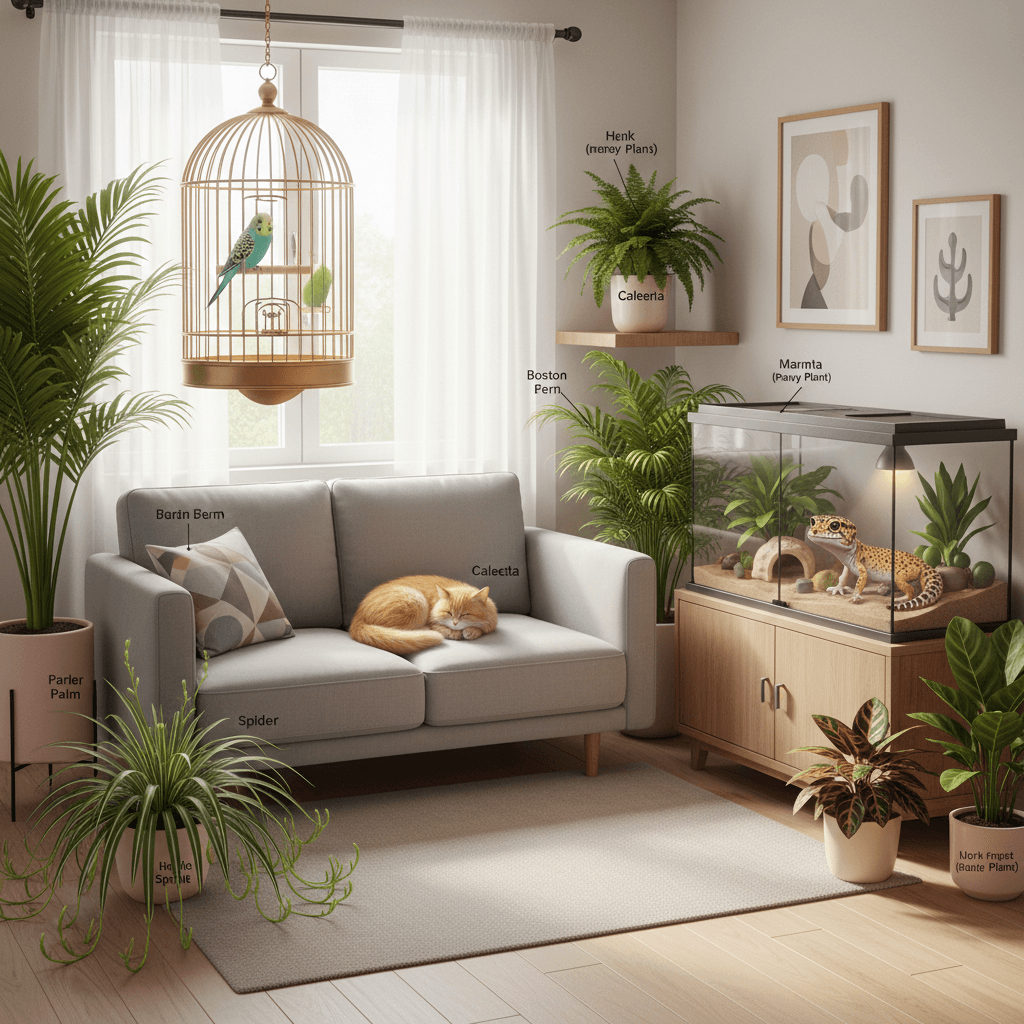
Tiny bright parrots called budgies come from Australia, often kept in apartments because they fit well in tight spots. A good-sized cage measures about 18 by 18 by 24 inches, giving them room to move while staying out of the way. Daily time outside the cage matters just as much as having toys, food bowls, and perches ready – setup runs between 120 and 150 dollars. They chirp softly compared to dogs or bigger birds, yet still enjoy company and react to voices around them. Because they bond easily, sitting nearby during work hours keeps them calm even in studios or rented units. Since they adapt fast, first-time owners find
it easier to learn habits like feeding times or cleaning schedules. Everything needed – from picking a quiet corner to handling short flights – is explained here for those starting small.
Budgies Fit Well in Small Spaces
Small apartments? Budgies fit right in, bringing big-parrot personality without needing much room. Their compact size pairs neatly with city homes, offering lively company in tight spaces.
Birds like budgies thrive on company, love games, show interest in everything around them, also form close ties with people who care for them. Teaching them small acts brings joy, copying noises comes easily, a few even pick up words given steady guidance over time. Sharp minds demand puzzles, engagement, yet they ask less than big parrots tied to lengthy daily contact needs. Alone moments pass without issue if shared stretches happen at dawn, dusk too. Noise fills daylight hours – calls, songs, random talks – most listeners call it cheerful instead of bothersome, behavior smooths out once habits take shape.
Budgies stretch around seven inches nose to tail tip, tipping scales near one to one point four ounces – that puts them among tiniest pet parrots alive. Fitting their home indoors? A cage slips beside bookshelves or under windows without hogging room like dog pens or towering bird rooms do. Sound stays low – a mix of peeps and soft trills hover near sixty five to seventy decibels, below regular talking volume, nothing close to dog shouts or cat screams at night. Lease rules rarely block these birds; thin walls won’t carry noise complaints when neighbors rest after eight. No need stepping outside every few hours either – they thrive inside, which helps if stairs wear legs out by noon on high floors.
Think twice before getting a budgie. These little birds often live between seven and ten years when cared for well – some even longer. A decade is no small thing when it means showing up every single day. Feeding, cleaning, spending time – that routine never really ends. Calling them low effort misses the point entirely; they rely on fresh meals and clean water without fail. Spot-clean their space multiple times a week because mess builds fast. Hulls from seeds pile up. Feathers drift everywhere. Droppings land where they shouldn’t. Daily attention? Non-negotiable. Thirty to sixty minutes out of your schedule, every day, is what keeps them healthy. Not having
someone around for stretches just won’t work. Commitment here isn’t abstract – it shows up in tiny, constant actions. Birds like budgies need daily attention, so long workdays or constant trips might leave them lonely. Yet if your routine stays steady and you live in a smaller home, their lively nature fits just right.
Small apartment budgie setup under 150 dollars
Birds need a solid home first – size matters less than safety. A cage with strong bars keeps things calm. Food bowls must stay put when knocked. Fresh water every day beats stored supplies. Perches shaped like branches help tiny feet. Toys made of wood beat plastic ones. Clean paper at the bottom shows health clues. One quiet corner in the room helps them rest. Start small, fix gaps later
A cage needs to be at least 18 by 18 by 24 inches – this gives enough area inside for brief flights along with climbing chances. Bars placed sideways help grip better while moving up or down through the space. Cost ranges between forty and sixty dollars depending on materials used and where it is bought
Around three or four wooden perches work well when sized differently – this mix helps foot health by shifting pressure points. Smooth natural wood only; skip any with rough coatings like sandpaper since they hurt sensitive skin over time. Cost stays low, usually between ten and fifteen dollars altogether
Two or three bowls for food and water work well. Bowls made of stainless steel or ceramic stop germs spreading more than plastic ones. Extra sets let one dry while another gets washed. Cost runs between eight and twelve dollars
Starting off strong, a mix of seeds paired with pellets gives birds what they need to stay healthy. Skip the low-cost bags filled only with seeds – they miss key nourishment altogether. A beginning pack runs between ten and fifteen dollars. Good fuel matters right from day one
Bones of cuttlefish sit beside small gray stones in the cage. These give calcium needed for strong skeletons. A bird’s beak stays shaped right when it rubs against rough surfaces. Little parakeets rely on both bits for balanced eating. You’ll find them priced between three and five dollars
Every week, swap out a few playthings – keeps things fresh without extra cost. Four to six items work well when switched regularly. Boredom fades when novelty stays high. Destructive habits often drop off too. A small budget covers it: fifteen to twenty-five dollars does the trick
Paper inside the cage beats scattered stuff on the floor – cleanup takes less time that way. Old newsprint does the job without spending a dime. Some buy special liners, others grab pages from yesterday’s headlines. Price swings between free and eight bucks if you go commercial
A small travel container keeps your budgie secure when heading to the clinic or during sudden situations. Most standard cages lack safety for moving birds around. This portable option fits neatly in a car or bag. It usually costs between fifteen and twenty five dollars. Sturdy airflow openings let the bird breathe without risk. Some models include handles for easier carrying. Picking one with strong latches prevents accidental escapes. Many owners find it useful beyond just medical trips. Lightweight versions work well for short outings too
A little sprig of millet can make a bird perk right up – perfect now and then when teaching new tricks or just spending time together. Budgies go crazy for it, true, though best saved for special moments instead of every single day. Costs between three and five bucks at most shops
A clean cage needs the right tools. Try a bird-friendly spray made without harsh chemicals. A sturdy brush helps remove stuck-on messes every week. Mix your own rinse using vinegar – simple, effective. This method runs about five to ten dollars. Most of it is already in most homes
What about a nail tool? Over time, budgie claws keep growing. Without attention, they get too long. A small clipper works. Or try a tiny rasp instead. Costs between five and eight dollars
A little towel helps you hold your bird safely when it’s stressed. Blood feathers that snap need tweezers – careful pulling makes a difference. If nail trimming goes too far, styptic powder stops the bleed fast. These three things cost between eight and twelve dollars
Getting started usually takes one hundred twenty to one hundred fifty dollars. Food, snacks, and new toys now and then will set you back fifteen to twenty-five each month. A yearly visit to a bird doctor might cost between fifty and seventy-five, provided you can locate someone who treats small birds – some people only go when something seems wrong, which isn’t perfect but happens often enough.
Selecting a Cage When Space Is Tight
A poorly chosen cage can ruin a budgie’s daily comfort – space counts more when rooms are tight. What fits might surprise you.
A single budgie needs a cage at least 18 inches wide, 18 inches deep, and 24 inches high. When possible, pick something larger – like 24x18x24 or even 30x18x24 – if room allows. Flying sideways comes naturally to these birds, which makes width more useful than extra height. Steer clear of slim, towering cages sold for little birds – they limit proper flight movement. The bars must be spaced no more than half an inch apart; too much gap risks escapes or trapped heads.
Where you set up the cage really shapes how your budgie thrives. A spot near a wall gives comfort – having a solid surface behind makes them feel safer. Stay clear of kitchens altogether; fumes from heated nonstick cookware are deadly fast for small birds. Windows aren’t ideal either, since sudden cold or heat shocks happen when placed right in front. Outside predators visible through glass keep them tense, even if they seem calm at first glance. Budgies thrive near windows where sunlight filters through, yet never right in it. A place shielded from blasts of heat or cold air keeps them steady. Pick a space you occupy often –
companionship matters for their mood. These birds stir at first light, chirping as day begins. That is why living areas fit better than quiet sleeping quarters.
Inside the cage, how things are arranged counts just as much as its dimensions or where you put it. At different levels, add spots for resting – branches from real trees fit well because their uneven sizes help keep feet strong. Keep bowls for eating and drinking off to the side, not right under those rest spots, so mess stays out of meals. Swing play items up high and lower down so climbing happens all across the space. Open space right in the middle lets your bird hop between spots easily. Near the base of the cage, scatter some play items – budgies like rustling around down there sometimes. Instead
of crowding the core, spread things out toward the edges where they climb and peek. Floor-level fun matters just as much as high places for these small birds.
Corner cages work well in tiny apartments because they make use of unused angles. Instead of sitting on the floor, wall-mounted versions hang clear – but only attach them where screws hit solid studs; a loose cage might hurt your bird badly. A few people who live in small homes keep big flying enclosures on rolling bases, shifting them around during daylight hours so their budgies see different parts of the home.
Daily Care Routine 15 to 20 Minutes
Every day, budgies require attention – yet caring for them takes less effort compared to dog walks or cleaning soiled trays. Still, skipping routines isn’t an option.
Open the cage cover right after waking – if that cloth stays on too long, light won’t reach your budgie and rest gets disrupted. Fresh water every day matters, so swap out the old even if it looks clean. Peek inside while filling the seed cup; notice how much is left from yesterday. Watch the bird move around – does it hop fast or sit still? Look into its face – the eyes should shine without crust near corners. Breathe close for a second, quietly – is air moving steady through tiny nose holes? A chirp here or flutter there means energy’s good. Stillness might mean wait-and-see. A quick wipe
with a moist paper towel removes waste from perches or play items. When vegetables are part of the daily food, place out a little chunk of raw veggie.
Later in the day, around 20 to 30 minutes: it’s time to connect. Release your budgie from its cage into a secure room where flying is safe – make sure windows are shut tight, ceiling fans are off, mirrors hidden, and any other animals kept away. Daily movement like this keeps them sharp, physically active. Speak gently while they’re out, give millet when they come close – helps teach return behavior – and let them wander freely. That stretch matters most. A few budgies like perching up high near the cage roof, while some enjoy circling the walls and windows. Bring your bird back inside once you start feeling weary of watching, long before it finds mischief to dive into.
Wrap things up each evening in about five minutes. Top off the water one last time, plus refill the food dish when it seems low. Share some quiet moments nearby your budgie – just being present helps settle their mood. Should you keep the living room bright at night, slide a light cloth over the cage. Darkness matters for solid rest, since too little shut-eye leads to trouble later on. Pick airy fabric only; thick material traps heat and makes breathing harder for small birds.
Every seven days, take all items out of the enclosure before giving it a full wipe down. Begin at one corner, working across with a pet-friendly spray or mild vinegar mix on bars, base grills, resting spots, and play things. Fresh lining goes in after old bedding comes out. Check each toy closely – frayed parts might snag toes or lead to harm. Dishes for eating and drinking get soaked then scoured using warm water and soap, left to air afterward. Now here’s a thought – swapping out toys now and then helps hold your budgie’s attention longer. If the perches feel too slick under finger pressure, that’s nature hinting it’s time to swap in new wooden branches.
What Budgies Eat Besides Seeds
A pet shop’s low-cost seed blend often lacks what birds need. These fillers cause issues later on when diets stay poor. Hidden gaps in nutrients show up as feathers fade or energy drops. Cheap food might seem fine at first glance – yet troubles creep in over months.
A budgie thrives when half its plate holds premium pellets, roughly a third carries mixed seeds, the rest filled with greens. Though many stick to seeds alone, those miss key nutrients only formulated pellets deliver – Harrison’s, Roudybush, or TOP’s stand out here. Instead of single-type blends, go for seed mixes layered with millet, canary grain, oats, plus occasional extras. Sunflower-heavy combos? Toss them aside – they pack too much fat. Peanuts also tip the scale toward weight gain; better left sparse.
Each day, give just a little fresh veg. Greens like spinach, kale, or lettuce work well, along with carrot, broccoli, pepper, and cucumber. Stay away from avocado – it harms birds – as well as onion, garlic, chocolate, salty things, and any caffeinated items. Rinse each piece carefully, then slice it down to fit a budgie’s mouth. At first, some of these birds might turn their backs on veggies; keep changing what you offer. Trying something new could take many weeks, even months.
At all times, fresh water needs to be within reach. Swap out the water at least once each day – more often when temperatures rise. Because budgies sip often and drop food into their bowls, the liquid gets dirty fast. Pick containers made of stainless steel or ceramic instead of plastic, since plastic holds germs too easily. Though some people choose bird-specific water bottles, open bowls feel more familiar to the birds and let you see how much they’re drinking.
Most of a bird’s day stays full with regular food. Only a sliver goes to extras, never much more than one bite in ten. That yellow grassy bundle hanging inside the cage? Budgies go for it every time – it works well when teaching new behaviors or just spending quiet moments together. Skip the sticky tubes dipped in sweet stuff. Steer clear of those little bells packed with seeds glued by syrup. Anything sold with flashy labels like “fun snack stick” often hides cheap bulk instead of nutrition. Try fresh greens cut small. Go for raw millet now and then. These beat dusty shop-bought bits that crumble too fast anyway.
Training And Bonding In Small Spaces
A small space can work better when teaching a budgie, simply because there’s less room to vanish into. Fewer corners mean fewer surprises during practice sessions. The tighter layout keeps things more predictable each time. Not much distance lets you stay close without chasing after. Cramped spaces might seem tricky, but they cut down on runaway moments. With limited area, movements become easier to follow step by step.
Start quiet. Those first couple of days mean leaving new budgies alone in their space, adjusting on their own time. Your voice becomes familiar when you stay close by the cage, speaking low and calm. A little later, slip millet between the wires – no rush, just offering something tasty. When pecking at that treat turns regular, crack the door open while your fingers cradle fresh sprigs inside. Reaching out happens only after trust builds; never pull or snatch, wait instead for tiny steps toward warmth. Some birds need just a few days. Others might require several weeks – it depends on how old they are, also their temperament. Baby budgies, especially those younger than four months, usually settle into handling more quickly compared to older ones.
Teaching a budgie to step up starts with trust. When it takes food from your hand without fear, try placing a finger lightly beneath its chest, right above the legs, and say “step up” at the same moment. Balance kicks in – most birds shift onto your digit without thinking twice. A quick treat of millet follows, along with soft words. Repeat often within the safety of the cage, every day, until there’s no hesitation. Later on, bring the routine into open room time, guiding it outside the enclosure when wings are loose.
Inside an apartment, the space helps your budgie learn fast because flights stay brief. When the bird climbs onto your finger each time, try calling it from the cage roof straight to your palm using millet as payback. Slowly stretch how far it must travel by shifting spots around the floor. Stick to one phrase – maybe “here” or its own name – to guide it back every session. Rooms close together mean less chance to hide compared to larger homes where doors lead elsewhere.
Patience matters when teaching a budgie to speak – some never do, though males often try harder than females. During daily moments together, say short words again and again. Words like “hello,” the pet’s own name, or “pretty bird” tend to stick after weeks of repetition. Occasionally, they copy noises around them rather than speech – a ringtone, a beep from the kitchen, even someone tapping at the door. Speech might not come, yet if it does, it becomes part of life’s quiet surprises.
Health Signs Every Budgie Owner Should Recognize
Weakness draws danger in nature – budgies stay quiet about sickness till it’s severe. Their silence comes from old instincts, when falling behind meant being caught.
Eyes shine when a bird feels well. Feathers lie flat and look neat up close. During daylight hours, motion comes in bursts, then pauses happen too. Food disappears steadily; water gets sipped often. Waste includes firm parts, some whitish bits, plus a bit of transparent fluid now and again. Breathing stays steady – no rear-end twitching, no gasps through the beak. Sounds pop up randomly – little songs, soft noises, short calls here and there.
Feathers puffed out during waking hours could mean your bird has a fever or feels unwell. If it stays on the floor of the cage rather than using its perch, something might be wrong. When breathing looks hard and the tail moves sharply with every breath, that is concerning. Fluid coming from the eyes, nose, or rear area needs professional checking right away. Liquid droppings, vivid hues, or anything far from usual could mean trouble. A sharp drop in weight shows up clearly along the chest bone. When food and water get ignored past half a day, concern rises. One limb held higher, used less – wings included – catches attention fast. Puffiness appearing out of nowhere, anywhere on the frame, stands out.
Losing blood without slowing down after several minutes needs fast help from an animal doctor. When shaking nonstop or falling sideways without control, it is time to act. Hitting glass or walls hard can cause hidden injuries worth checking right away. Breathing smoke or eating something poisonous puts life at risk quickly. Female birds pushing hard but laying nothing might be stuck inside. Gasping for air like drowning on land means trouble has already arrived.
Spot a bird doctor ahead of trouble – it makes things easier later. Some veterinarians won’t see birds at all, while others who will usually ask for higher fees compared to care for cats or dogs. Track down someone skilled with birds just after bringing your budgie home, long before any signs of illness show up. Yearly exams might take $50 to $100 from your wallet yet reveal issues before they grow worse. If sudden sickness hits, clinic trips could pull $150 to $300 out depending on what kind of help your pet needs.
Common Budgie Issues in Apartment Living
Early hours might bring chirps that travel through slim apartment walls. Instead of silence, think about how light affects a bird’s day. Try moving the enclosure farther from neighboring spaces where sound passes easier. When nighttime comes earlier, drape something soft over the bars. Some people hardly hear a thing during breakfast time sounds. If concern arrives from nearby, mention pet rules allow these small companions. Share willingness to tweak covering times without admitting fault.
Every morning, tiny bits of seed husks land outside the bars. Feathers float down after molting cycles finish. Droppings appear on surfaces nearby without warning. A cloth laid beneath helps gather what falls. Some prefer plastic instead – it wipes clean fast. Sucking up scraps each day keeps dust low. Pick spots far from where meals get made. Germs matter more near cooking zones. Living with budgies means accepting scattered fragments. That clutter comes with their presence.
Tiny homes often lack room for birds to fly safely outside their cages. One space can become a secure zone when mirrors are hidden under fabric, windows shut tight, ceiling fans switched off, dangerous greenery taken away, supervision never lapses. A bathroom might work well some owners find – the seat stays down, boundaries stay clear, catching escapees gets simpler. Flight time does not need hours; just twenty to thirty minutes each day meets needs assuming the cage fits properly.
One budgie left behind might sit quiet when days stretch empty. Try two birds instead – side by side they chirp, chase, bounce through cage bars. A pair too close to each other often pays less attention to your voice, yet moves with more spark. Some find comfort in soft warbles from a speaker near the window.
Budgies do well when it stays between 65 and 75 degrees Fahrenheit. If your apartment struggles to hold a steady temperature, trouble might follow. Heating vents or air conditioning outlets are bad spots – those areas shift too fast. When cold months come, skip putting the cage by leaky windows. Sudden chills can upset their comfort. A room that heats up during summer months needs careful attention for a budgie’s comfort. When temperatures rise, provide cool spots away from sunlight. Fresh water should always be within reach. Spraying lightly with a bottle can ease the warmth. Birds often respond well when moisture is gently added to their space.
Things That Aren’t Safe for Budgies
Toss out everyday things around the house that can kill budgies – or lock them away tight. Some regular stuff sitting in cupboards turns dangerous when birds are near.
Birds can die fast if Teflon pans get too hot. Try using pots and pans made of stainless steel, cast iron, or ceramic. These safer choices work just as well. Even things like space heaters or clothes irons with nonstick layers pose a risk when heated. Any item coated with PTFE or PFOA might let off dangerous smoke. Swapping them out helps keep pets safe. Heat damage on these surfaces is silent but deadly. Birds are especially sensitive – what seems normal to us harms them quick. Plain metal or stone-based tools handle high temps without toxic results. Watch how you heat anything coated. Safety hides in simple materials, often overlooked. Mistakes happen fast; better gear prevents tragedy.
Birds breathe differently than people do. Because of that, their lungs react badly to strong smells. Instead of using scented candles, try leaving windows open. Aerosols spray tiny particles into the air – these hurt bird lungs. Even a little bit of fragrance might lead to trouble breathing. Rather than risk it, go without artificial scents altogether. Plug-ins release chemicals nonstop; better to avoid them completely.
Some everyday indoor plants can harm budgies – examples include pothos, philodendron, dieffenbachia, and the peace lily, among others. Wherever these birds fly loose inside a home, those greenery types should be gone. Alternatively, place such plants only in spaces the small parrots cannot reach at any time.
Budgie health risks show up if they gnaw on cage wires, playthings, or similar objects made of harmful materials. Though stainless steel poses no danger, steer clear of galvanized parts, colored coatings that might carry lead, and low-cost imports possibly laced with toxic elements. Some chewing habits bring hidden dangers not obvious at first glance.
Breathe out anywhere near a budgie, whether from cigarettes or vape pens, their tiny lungs take the hit. Smoke clings – step outdoors if lighting up, then scrub fingers clean prior to touch. Owning one might just be the push needed to drop the habit altogether.
Frequently Asked Questions About Caring for Budgies in Compact Living Spaces
Can I keep a budgie in a studio apartment?
Budgies settle right into small living spaces. At least 18 by 18 by 24 inches, a suitable cage slips neatly into tight corners. Put it near your usual spot – where you sit or eat – for steady company during daylight hours. Being close most of the time helps build trust naturally. Because everything happens in one area, connection grows without effort.
How loud are budgies compared to other pets?
Chirping comes naturally to budgies, hitting levels around 65 to 70 decibels – close to how loud people talk every day. Not nearly as sharp on the ears as a dog’s bark, which often pushes 80 up to 90. When cats cry out, they can reach between 45 and 85, still sometimes louder than these small green birds. Big parrots? Their noise climbs fast, anywhere from 90 clear up to 115. Walls tend to block most of what budgies make; neighbors usually do not catch their sounds. Dogs and bigger birds, though, send ripples through shared spaces much more easily.
Do budgies smell bad?
Birds called budgies? They don’t carry any scent when they’re well. Waste left too long might bring a faint whiff, yet wiping messes each day and scrubbing the space once a week keeps things fresh. Unlike gerbils, mice, or similar animals stuck in enclosures, these parrots leave behind less stink overall.
Leaving a Budgie Alone During Work Hours?
Budgies manage eight hours at home without issue, provided mornings and evenings bring some interaction. Toys keep them busy alone, while soft background noise from a quietly playing radio helps ease loneliness. Time spent together before leaving and upon return matters most. During weekends, more shared moments strengthen their trust. Long shifts – think twelve hours or more – make pairing two budgies wiser, since they then keep each other company naturally.
Will my landlord allow budgies?
Birds often get approval where other animals do not because cages keep messes contained. Written permission matters, so review rental terms first – don’t assume rules are flexible. A note on paper beats breaking trust later. Fees might apply, though some owners charge nothing at all. Hiding an animal? That choice could empty your apartment fast.
Are budgies expensive to maintain?
Starting out takes about 120 to 150 dollars before anything else. After that, feeding and basic needs add another 15 to 25 each month. When added up yearly, expenses reach between 180 and 300 – covering meals, small rewards, play items, plus checkups now and then. Compared to dogs, which often cost over a thousand every year, or cats at five hundred up, it’s far less costly. Still, it runs higher than keeping fish or a hamster.
How long do budgies live?
A budgie might reach seven to ten years when looked after well. A few make it to twelve or fifteen if everything lines up just right. Longer than rats or hamsters – those usually last two or three – but nowhere near big parrots that stretch from twenty into their eighties based on type. Not forever, yet still enough time to matter deeply.
How big should a budgie cage be in a small apartment?
Even in a studio, the cage should be as large as possible, ideally at least 30 inches wide, giving the bird room to fly horizontally.
How do I keep my budgie quiet when working from home?
Ensure they have plenty of engaging shredding toys. You can also cover the cage briefly, but routine and attention are the best noise-management tools.
Are non-stick cooking pans dangerous to budgies?
Yes, overheated Teflon (PTFE) emits an odorless gas that is highly toxic and often fatal to budgies. Never use non-stick pans in a studio apartment with birds.
![Leopard Gecko Care: Complete Beginner Guide [2026]](https://urbanmicrotips.com/wp-content/uploads/2026/02/Leopard-Gecko-Care-Beginner-Setup-in-36x18x18-Terrarium.png "Leopard Gecko Care: Complete Beginner Guide [2026] 1")