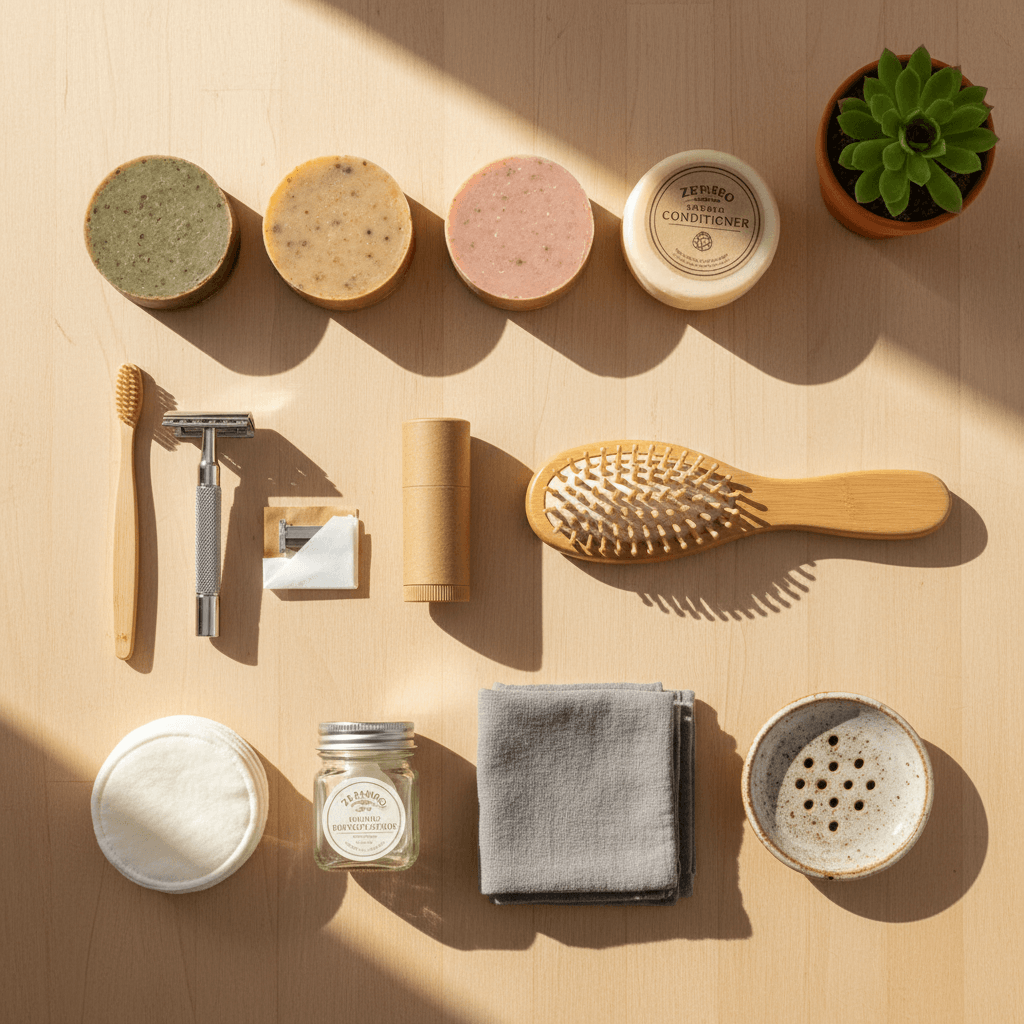
Bathrooms can shift toward zero waste by choosing long-lasting items without packaging rather than tossing out plastic ones after short use. Around 30 to 40 percent of home plastic trash comes from this room, making it a smart spot to begin change. Simple fixes often stick best – try starting with soap bars, brushes made from bamboo, or cloths replacing disposable rounds. Each piece costs little, together staying below twenty dollars for an easier switch. Even compact living spaces benefit when clutter stays low and choices pay off down the road. What seems small today adds up quietly, fitting real life without demanding perfection.
Why Bathroom Waste Is More Important Than You Might Realize
Every year, around seventy pounds of plastic from bathrooms gets thrown away by the typical individual – rarely does a second thought follow. Most folks just discard it without pause.
Every day, bits of our routine leave behind plastic waste – shampoo containers, old razors, toothbrushes, cotton swabs, wipes for makeup, wrappers from countless small items. About a billion toothbrushes go into U.S. trash yearly, left to sit for centuries since they decompose over four to five hundred years. Toss in half a billion shampoo bottles landing in dumps every twelve months, along with endless streams of razor handles, deodorant casings, and tiny packets that held cleaning rounds. The pile grows until it feels impossible to count.
Much of that trash piles into dumps, left to linger hundreds of years. Sometimes it slips into rivers, riding currents toward the sea. Tiny plastic pieces – rinsed from shampoo bottles and face washes – are turning up in tap water. They’re found inside fish, too. Scientists have spotted them flowing through people’s veins. Wrappers thrown away after a single moment keep traveling. They settle where others must deal with the aftermath.
Good news first – swapping stuff in your bathroom is way simpler than tackling the kitchen. No need to wrestle with storing perishables or hunting down big-container shops. Instead, most changes here? Just trade one item for another that does the exact same job, only it lasts longer. Try this: a solid soap bar lathers up just like its pourable cousin, yet skips the throwaway plastic entirely.
Zero Waste Bathroom Start Under Fifty
Pick one thing to start. This small set handles what matters most, costs less than you think:
A chunk of bar soap takes the place of bottled hand soap plus shower gel. Lasts two to three months, each piece fits a palm. Wrapped in nothing at times, sometimes just paper. Costs four to six dollars for one
A solid piece of soap for hair takes the place of liquid shampoo in a bottle. One block does what two or three plastic containers would do over time. It can go on working well for eight weeks up to four months. The price lands between eight and twelve dollars for each bar
Bamboo toothbrush swaps out plastic ones. Its handle breaks down naturally over time. Change it every three months, just like standard brushes. Costs between three and five dollars per piece
One way to ditch throwaway plastic razors? Try a safety razor. The handle’s made of metal – built to stick around. Just swap out the blade when it dulls. Buying the whole setup costs between fifteen and twenty-five dollars. Each new blade runs about ten to twenty cents
Those little cloth circles swap out single-use ones, lasting through countless laundry spins – ten to fifteen come in a set, priced between eight and twelve bucks
A chunk of solid deodorant, shaped like a small bar or stick. Swaps out disposable plastic tubes that pile up in bins. Each one holds strong for about three to four months daily use. Costs between six and ten dollars apiece. A quiet shift, tucked into your palm
A wooden comb instead of one made from plastic sits gently on shelves. Lasting many seasons if looked after well it holds up through daily routines. Priced between eight and fifteen dollars it rests at a quiet value point
A small case holds the string that cleans between teeth. Made of metal or glass, it lasts years. Instead of tossing the whole thing, just swap out what’s inside. The fresh bits come wrapped in paper. You pay six to ten dollars for the shell. Refills cost three to five bucks each. Nothing plastic gets thrown every time
Fifty bucks at most gets you started. What you need sticks around half a year to a full one before swapping out. Swaps run cheaper because it’s just top-ups or fresh bars – containers stay put.
Solid Toiletries Bar Soap Shampoo Deodorant
Ditching liquids for solids means never needing a plastic bottle again. This is what happens when you try each option.
Soap bars clean both body and hands just like liquids do. Get the bar wet, then move it across skin or work foam by rubbing palms together. Lather happens fast, after that water washes everything away. A single bar often stays good for two to three months when used every day, possibly more if left to air dry fully afterward. Each time costs about five to eight cents compared to ten to fifteen cents using bottled versions. Stores sell these bars – you’ll find them at markets, refill shops, even websites featuring labels such as Dr. Avoid pooling water by
placing your soap on a rack that lets air flow around it. Try Bronner’s, or perhaps small craft makers nearby, even Ethique if you like change. Lasts longer when it can breathe after showers, sits high above damp surfaces.
Getting used to shampoo bars might feel odd at first if you have always poured from a bottle, yet it settles in after ten days or so. Hair gets wet, then the bar travels across the scalp using small circles – this sparks up foam. Rubbing creates suds, which need full rinsing when done. A single block holds strong through sixty to one hundred shampoos, give or take based on how long your hair is and how often you clean it. Each cleanse ends up costing between ten and fifteen cents, while regular bottled kinds eat twenty-five to forty pennies
instead. Start looking for shampoo bars where eco-friendly products live – natural grocers often carry them, while refill boutiques stock plastic-free options too. Sometimes you’ll need only a quick web search to find makers such as Lush, Ethique, or HiBAR delivering straight to your door. When trying one out, it might feel odd at first – a strange filminess, maybe weight near the roots. That usually means leftover residue from past shampoos still clinging on. Try rinsing with diluted apple cider vinegar – one spoon per mug of water – for a few early uses; slowly things shift. The change
clears up once the scalp resets.
Starting fresh each morning might mean reaching for a small block of solid deodorant. These come shaped like little bricks or rise up through paperboard casings when twisted. Rubbing it on feels much like any other stick – just glide across dry skin after washing. Lasts around three to four months if used every day without fail. Each time you apply, the price lands between five and eight cents. Compare that to typical plastic-wrapped versions where each swipe runs twelve to eighteen cents. Try spotting labels such as Native – comes in a paper roll – alongside Ethique or Schmidt’s,
found tucked on shelves at pharmacies, health markets, or web shops. Here’s something useful: shifting from regular antiperspirants to plant-based options may take patience, since your skin needs around fourteen days to adapt; sweating could rise at first while flushing out old aluminum buildup, yet that phase fades fast.
Reusable Alternatives to Single-Use Items.
Bar Soap Lasts 2–3 Months Costs $4–6 Needs Draining Dish. Shampoo Bar Lasts 2–4 Months Costs $8–12 Vinegar Rinse Helped at First. Solid Deodorant Lasts 3–4 Months Costs $6–10 Took 1–2 Weeks to Adjust. Conditioner Bar Lasts 2–3 Months Costs $8–12 Not Needed by Everyone
A fresh roll of bamboo toilet paper sits where the old one was. Replacing plastic bottles with metal bars cuts clutter slowly. A new toothbrush made from plants stands by the sink now. Cloth towels take turns drying hands instead of paper ones. These small switches fit right into mornings just like before.
Skip disposable cotton pads use reusable ones instead
Instead of tossing single-use pads, try washable ones that do the job just as well. These little rounds clean your face when dampened with whatever product you already use. After each go, they land straight into the hamper, ready for a spin in the machine. A set of 10 to 15 runs between eight and twelve bucks, not much more than one month of disposables. Most hold up through countless cycles – often lasting two or even three full years. Over time, skipping monthly trips for new packs saves money without changing routine. Old cotton rounds pile up in bins; these stay in rotation until threads finally give way.
Safety Razor Replaces Disposable Plastic Razors
A sharp blade made of metal swaps out when worn, cutting hair just like throwaway versions yet leaving no plastic behind after weeks pass by. Starting feels odd at first – go slow, press almost not at all, allow the tool’s own mass to guide it – and later it clicks into place naturally. Pay once between fifteen and twenty-five dollars for something built to survive years upon years. New edges run ten to twenty cents apiece, lasting through five to seven uses; compare that to disposables priced two or three times higher for nearly identical wear time.
Bamboo Toothbrush Replaces Plastic One
Not many people think about where their old toothbrush ends up. A bamboo version breaks down naturally while regular ones pile up for ages. Brushing feels just like before – identical bristles, routine unchanged, timing stays at three months. Price lands between three and five dollars, similar to sturdy plastic models. Once used, the stem can go into compost if you pull out the top part first. Those tiny bristles might be nylon. Some brands use plant stuff instead. Depends who made it.
Switch from disposable period items to reusable alternatives
Instead of tampons and throwaway pads, some choose menstrual cups, reusable underwear, or fabric pads. Though priced between twenty-five and forty dollars, a single cup can last up to ten years if cleaned well. Period underwear usually comes at fifteen to thirty-five bucks a pair; users often keep three to five for full cycle coverage. Reusable pads sell individually for eight to fifteen dollars apiece. Because disposables add up to around eighty to one hundred twenty dollars every year, switching saves money – often breaking even in under a year.
Fewer lint bits stick to skin when using separate hand cloths meant just for faces. These soft squares stay clean longer if washed weekly. Towels made only for cheeks and forehead replace rough wiping after washing. Dampness fades faster on fabric that breathes well. Small changes like this reduce irritation over time
Few small cloths, just for your face, beat reaching for paper rolls or shared towels. Grabbing one feels better when it’s meant only for you. A pack of four to six runs ten to fifteen bucks – cheap for daily swaps. These stay fresh through years of washes, no need to keep buying disposables. Skipping paper means saving fifteen to twenty-five each year, just from the sink spot.
Easy Bathroom Updates Without the Hassle
Start small instead of changing all at once. Try one swap at a time so it feels lighter. This way nothing gets tossed out too soon. Moving step by step keeps pressure low. Little shifts add up just the same.
Start by choosing a single item to swap out initially
Pick the switch that fits best right now. A solid deodorant usually slips right into your routine – same effect, different wrapper. If you wash with liquid soap, grabbing a bar might feel natural. Go for whichever option seems quietest in your mind.
Wait until what you have is used up, only then make a change
Hold on to those bottles still filled, those items hardly touched. Wasting them? Doesn’t make sense – undermines the whole point. Finish each one, fully, before swapping in something new and waste-free. Running low? Only then bring in a replacement. Keeps regret away, cash stays put, everything gets used long before it leaves your home.
Step 3: Try the replacement for a week or two
Start trying fresh items without ruling them out fast. The way your hair acts could shift at first when you switch to bar shampoos – it’s just settling in. With natural deodorants, change usually clicks after ten days or so. When things seem off, hold back judgment – those moments often fade on their own.
Now that you feel ready, shift toward the following piece
Start small – if one zero waste swap feels natural after a few weeks, bring in a second. Used a plastic-free deodorant? Next, test a shampoo bar instead of liquid. Habits grow better when layered over time, not forced all together. Rushing every switch at once often leads to giving up sooner.
Step 5: Build a small stockpile of your favorites
Start stocking up once you land on something that fits your routine – grab two or three extra pieces before the last one vanishes. When it comes to things like shampoo bars or deodorant, shops won’t always carry them. Running low won’t catch you off guard if there’s already a spare tucked away. That way, old habits can’t sneak back just because you forgot to restock.
Pass it along once you see results
Start by telling folks what it’s actually like when they spot your bar shampoo or wonder about that bamboo toothbrush. Share straight up – what clicked, what fell flat, moments that caught you off guard. Since you’ve already tested things out, your take gives them a clearer path forward. Skip the guesswork someone else might face just beginning.
Simple storage ideas for zero waste essentials in small bathrooms
At first glance, reusable things need a bit more room than single-use ones; clever setups handle the clutter without fuss. Storage solutions make space problems disappear quietly.
Up high on the wall, shelves make smart use of empty vertical room in tight bathrooms. Floating ones – about 15 to 20 centimeters deep and stretching 40 to 60 across – work well just above the toilet or beside the basin. Stash your bar soaps, shampoo blocks, and similar solids there; they stay within reach yet out of the way. Because these items sit where you can see them, drying happens naturally while counters stay clear. To handle moisture, place little trays or drip-catching holders under each product on the shelf.
Hidden spaces beneath sinks suit spare things you reach for only now and then. Sliding bins into tight corners helps, especially if they’re see-through or woven, sized just right – between twenty and thirty centimeters across – to dodge pipes. Stock them with soap bars, cloths used more than once, rolls of paper, scrubbing tools. Words on the front make finding stuff faster, less rummaging later. A smart spot stays tidy when every piece has its place.
A single shower basket helps manage bottles and bars while water escapes through tiny openings. Hanging one just above the shower pipe holds shampoo, conditioner, a cleansing bar, plus facial wash – though “plus” feels clunky, so swap it with something smoother like “alongside.” Drainage matters most; without open slots underneath, dampness ruins bars fast. Small spaces favor corner units held by pressure rods – they sit still, unlike swinging types that sway after every grab.
Jars you already have can store cotton rounds, spare blades, hair bands – really anything tiny. Instead of tossing glass containers from sauces or pickled goods, rinse them out. Labels peel off easily with warm water and a scrub. These cleaned jars sit well on open surfaces like sinksides or bookshelves. Try mason types between 250 and 500 milliliters – they slide right into tight cabinet spaces. Seeing everything inside helps grab what you need without digging.
Piling things together beats spreading them apart. Reach for wall mounts when you can. Up high works best for spares, tucked above or below the sink. Daily tools live closest – easy to grab without stretching. Tall storage makes sense more than wide.
Common Mistakes and Myths
Mistake 1: Throwing out all your conventional products to start fresh
Surprisingly, excitement around zero waste often leads folks to ditch shampoo bottles still filled halfway. Half-used deodorant rolls into the bin just because change feels urgent. Razors that work fine? Thrown out like they’re broken. Suddenly tossing these items burns cash – replacing everything adds up fast. Instead of slowly cutting back on garbage, there’s a spike in trash right away. The rush defeats the purpose before it even takes hold.
Start with what’s already on hand before buying anything new. When supplies get low, swap them out slowly. That way, spending stays small each month. Nothing gets thrown away too soon. There is space to try different options, one at a time. Decisions happen calmly, never rushed.
Faulty thinking number two: believing that cutting waste somehow ruins performance or results
People often think green stuff just does not cut it beside regular goods. Yet today’s plastic-free washroom items manage the job just like usual versions – or even smoother, thanks to stronger formulas minus extra water weight. A surprise to many, really.
Pick well-reviewed names people trust. Since they deliver solid results, top eco-friendly picks often match or beat pricier standard options on price. Skip the plastic wrap without losing strength or function – performance stays high.
Mistake 3: Buying too many products at once to “test everything”
A few folks diving into zero waste grab five shampoo bars at once. One after another, three kinds of deodorant follow – then several soaps from different makers. Trying them all adds up quick, often past a hundred bucks right away. Stuff piles up when most items turn out to be wrong fit.
Start by picking just one item from every category. Once that’s gone, only then try something else. Skipping this step often leads to unused stuff piling up. Saving cash happens naturally when you stop buying things twice. Real clarity about what suits you comes from finishing what you start.
Here is mistake number four: walking away when a single item fails to perform just right
Some zero waste items just won’t suit everyone. Your first try with a shampoo bar might have made hair feel coated, yet another option could work better. Natural deodorants sometimes miss the mark on smell protection, although results often depend on the individual. Differences in body chemistry shape what works – personal taste plays a role too.
Start with two or three kinds – different makers, varied mixes – before ruling out an entire group. One person’s miss might be someone else’s hit. Stick with it long enough, and fits start showing up where you least expect.
Budget-Friendly Brand Recommendations
Starts with solid bars instead of bottles – shampoo, conditioner, body wash, even deodorant. These sit between twelve and sixteen dollars each. You can grab them through their website or walk into certain Target locations. New to bar care? They’ve got smaller versions for six to eight bucks. Try those first if jumping straight feels too far. Hair type does not matter much here – most people adapt fast, no long wait needed.
Soap bars from Dr. Bronner come in many scents, while their large bottles of liquid version let you refill old ones. Each bar runs between four and six dollars, showing up just about anywhere – supermarkets, drugstores, even small shops. If you are new to natural cleansers? These hold a solid starting point: soft on skin, fit for washing both hands and body, simple to find again when empty because they sit on shelves across town.
Starting at five bucks, things go up to thirty across different goods. Zero waste labels appear here alongside a house brand few expect. Order arrives without plastic junk mucking up the box. Newcomers might find footing through the clutter of choices. Scrolling feels smooth, discovery happens by accident now and again. Costs sit just above factory levels though – worth noting before checkout. Try testing options through this gate first, later shift to maker sites when favorites emerge.
Some towns feature refill spots where you buy soap or shampoo without packaging – found at neighborhood markets or farm stands. These places usually charge between four and ten dollars per bar, about the same as web retailers. Starting out? This might suit you well since testing scents is possible, workers answer your concerns, plus it helps hometown sellers thrive. Delivery fees do not apply nor must you order a set amount.
Frequently Asked Questions About Zero Waste Bathrooms in Small Apartments
What’s the real lifespan of a soap bar?
A single bar of good soap can handle daily washing for two to three months if left to air out after each use. Instead of tossing it into a puddle, place it on a dish that lets water escape. Lower priced versions tend to vanish quicker – often gone within four to six weeks. Try setting it on a slotted tray or something made from wood so moisture does not gather underneath. Break big bars into halves, rotating one while the second rests untouched and dry. That small shift stretches how long you get to use it.
Could a bar of shampoo work just like the liquid kind?
Shampoo bars do clean hair just like regular liquid ones – only difference is they skip the water and plastic packaging. A shift happens at first; hair might feel odd because the scalp takes a week or two to recalibrate oil levels used to bottled formulas. After that phase, many notice hair looks better, even brighter than before. Should one type fall flat, swapping to another formula with new components could make all the difference. Patience matters when switching, since results depend on chemistry, not promises.
Can I use reusable razors if I’m not used to them?
Heavy pressure? Not needed here. These razors cut better when guided gently – weight alone moves them across skin. Try short motions at first, following how the hairs lie. Rinsing often keeps blades clear. Comfort usually arrives by the second or third try. Less redness shows up quickly. A tighter result waits just past that early step.
Where can I buy zero waste bathroom products?
From your neighborhood market or drugstore, check out the natural goods aisle – bar soap, toothbrushes made of bamboo, and a few solid hygiene items might already be on shelves. Places focused on organic groceries, such as Sprouts or Whole Foods, tend to offer more variety. You can also look online: try Ethique, EarthHero, or Package Free Shop – or go straight to company sites. Try small local zero waste boutiques too. Farmers markets sometimes surprise you with lower costs and helpful tips.
Is zero waste bathroom more expensive than regular?
Sure – it might seem steep when you drop thirty-five to fifty bucks right away to swap out a few things. Yet over time, going zero waste actually puts one hundred to two hundred dollars back in your pocket each year, simply because what you buy holds up far longer than usual. Take that ten-dollar shampoo bar; it does the job of two or even three plastic bottles filled with eight-dollar liquid stuff. Then there’s the twenty-dollar safety razor, paired with five bucks’ worth of replacement blades every twelve months – that knocks out the need for fifty to seventy-five bucks spent on throwaway razors. Most folks find their initial spending covered by savings just four to six months in.
What is the easiest zero-waste bathroom switch?
Replacing your plastic toothbrush with a compostable bamboo one is the easiest starting point, requiring absolutely zero change to your daily routine.
Do solid soap bars harbor bacteria in the shower?
No, as long as you place the bar on a high-quality drainage dish so it can dry completely between uses, bacteria cannot survive on the soap surface.
Are reusable cotton pads sanitary for makeup removal?
Yes. Place them in a mesh laundry bag and wash them in your machine on a hot cycle. They come out perfectly clean and ready to reuse.


