The biggest myth about composting is that it smells like garbage. Garbage smells because it rots without air in a tied plastic bag. Properly managed compost smells more like damp forest soil after rain.
In a small apartment, you can’t host a steaming outdoor pile. You need something compact, sealed and easy to ignore between coffee runs. Below are three proven apartment‑friendly compost methods that stay discreet and odor‑controlled when managed right.
Compost Wizard
Find your urban composting match in seconds.
Result
Description
Method 1: Bokashi (The “Pickle” Buckets)
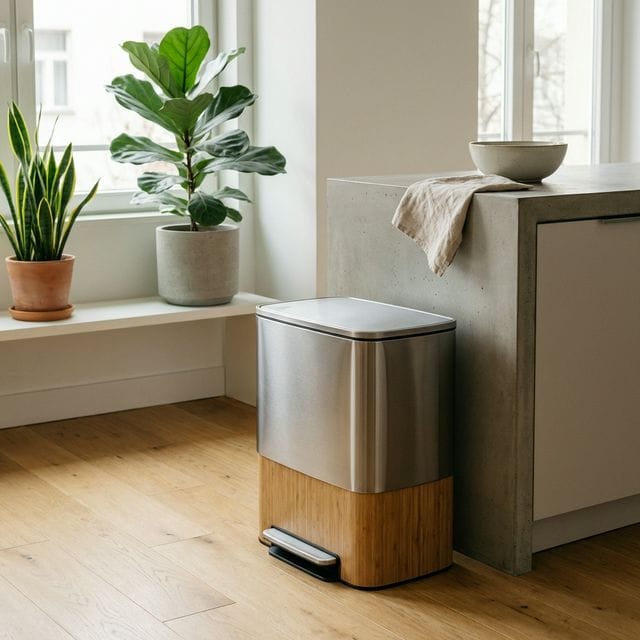
This is the gold standard for small indoor spaces and under‑sink setups.
- Concept: Anaerobic fermentation. You layer food scraps with bokashi bran (microbe‑inoculated bran) in an airtight bucket with a drain tap.
- What goes in: Almost everything — fruit and veg scraps, cooked food, small bones, meat, dairy, citrus and onions — which traditional aerobic piles usually discourage.
- Smell profile: When working correctly it smells like pickles or sourdough, not rotten trash; a foul, putrid odor means the process has gone off and needs troubleshooting.
Basic setup:
- Get a bokashi bin with a tight lid and bottom spigot (often sold as “apartment bokashi” and sized to fit under sinks or on balconies).
- Add daily kitchen scraps in layers, sprinkle a handful of bokashi bran, press everything down to remove air pockets and close the lid firmly after each use.
- Drain bokashi “tea” every few days via the spigot; dilute it before using as a liquid feed for plants or send it down a drain to keep pipes clean.
- Once full, let the sealed bucket sit for about 2 weeks to finish fermenting, then bury the “pre‑compost” in a soil container (a tote of potting mix, raised bed or a friend’s garden) to complete breakdown.
Because it is sealed, bokashi is especially suited to small apartments where bugs and smells are deal‑breakers.
Method 2: Vermicomposting (Worm Bin)
Red worms quietly convert scraps into high‑quality castings.
- Concept: A contained colony of red wigglers (not garden earthworms) eats your food waste and bedding, producing worm castings that work as a rich soil amendment.
- What goes in: Fruit and vegetable scraps, coffee grounds, tea, crushed eggshells and shredded paper or cardboard. Avoid large amounts of meat, dairy and very oily foods.
- Smell profile: A healthy bin smells earthy. Any sour or rotten smell usually signals overfeeding, poor aeration or too much moisture.
Apartment‑friendly setup:
- Use a purpose‑built worm tower or a DIY lidded tote with air and drainage holes and moist bedding material.
- Keep the bin indoors in a stable‑temperature, dark spot such as under the sink or in a closet; extreme balcony heat or frost can kill worms.
- Bury fresh food scraps beneath bedding to limit fruit flies and odors, and pause feeding if you notice strong smells or uneaten food piling up.
This method is best if you want small amounts of high‑quality castings for houseplants or balcony containers rather than maximum waste capacity.
Method 3: Trench Composting in Pots (Balcony “Lazy Mode”)
For balcony gardeners with big containers, you can compost directly where plants grow.
- Concept: Kitchen scraps decompose in situ within potting soil, feeding roots over time rather than in a separate bin.
- How to do it:
- Choose a larger pot (around 5 gallons / 20+ liters).
- Dig a deep hole or narrow trench, add chopped soft scraps like banana peels or coffee grounds and cover with at least 4 inches of soil to block smells and pests.
- Benefits: No extra bin to manage, and nutrients release right where container plants can use them.
- Risks: If scraps are too close to the surface or added in very large quantities, you can attract soil pests or create a smelly patch; depth and moderation solve most of this.
This method pairs well with balcony containers you are already using for herbs or ornamentals.
Troubleshooting: The Fruit Fly War
Fruit flies are the main nuisance with any indoor compost setup, but they are manageable.
- Freeze‑then‑compost: Stash kitchen scraps in a freezer container first; freezing kills many fruit fly eggs before they ever reach your bin.
- Cover and bury: For worm bins and balcony buckets, always bury fresh scraps under bedding or soil and keep lids on tightly; exposed food is a direct fruit fly invite.
- Simple trap: Set a jar with a small amount of apple cider vinegar plus a drop of dish soap, and cover with a funnel or perforated wrap; flies enter, fall into the liquid and cannot escape.
If flies explode in a worm bin, remove exposed scraps, add more dry bedding and give the system a feeding break until things rebalance.
Comparison Table: Which Method Fits Your Apartment?
| Method | Smell Risk (If Managed) | Speed to Useable Material | Capacity | Best For |
|---|---|---|---|---|
| Bokashi | Very low (sealed) | Fast (weeks to pre‑compost) | High; meat & dairy ok | Families, mixed diets, under‑sink setups. |
| Worm bin | Low–medium | Medium (3–6+ months) | Moderate; veggie‑only | Plant lovers who want worm castings. |
| Trench/pot | Low | Slow (months in soil) | Low; limited by pot | Solo dwellers with a few big balcony pots. |
| ShareWaste | None (off‑site) | N/A | High (community) | People who can’t host any bin at home. |
Apps and community programs like ShareWaste or local compost drop‑offs are perfect backups if you travel often or truly have zero space to process finished material yourself.
Conclusion
You create food scraps every day; the only question is whether they become methane in a landfill or food for your plants. In a small apartment, a bokashi bucket, worm bin or simple “compost trench” in a pot can quietly turn peels and leftovers into something your balcony garden and houseplants actually need.
Once you are harvesting that dark, crumbly goodness, you’ll need a plan for mixing it into potting soil and caring for plants with fewer new inputs — that’s where a Low‑Waste Indoor Plant Care routine comes in next.
Does indoor composting attract fruit flies?
Not if managed correctly. Sealing your bin, freezing scraps before adding them, and burying fresh waste under bedding are key to keeping pests out.
What is the fastest indoor composting method?
Bokashi is generally fastest for fermentation (about 2 weeks), though it requires a soil burial step afterward to fully finish.
Read more: See our Zero Waste Small Apartment Hub for more expert tips.