
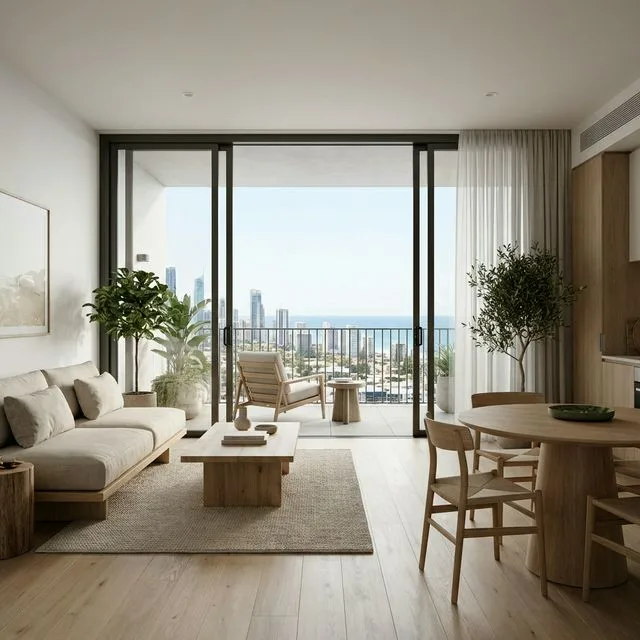
You want climbing tomatoes, cucumbers or a green privacy wall on your balcony — but your lease clearly says “no drilling, no modifications.” Screws in walls or railings can mean losing your deposit or getting a call from the landlord.
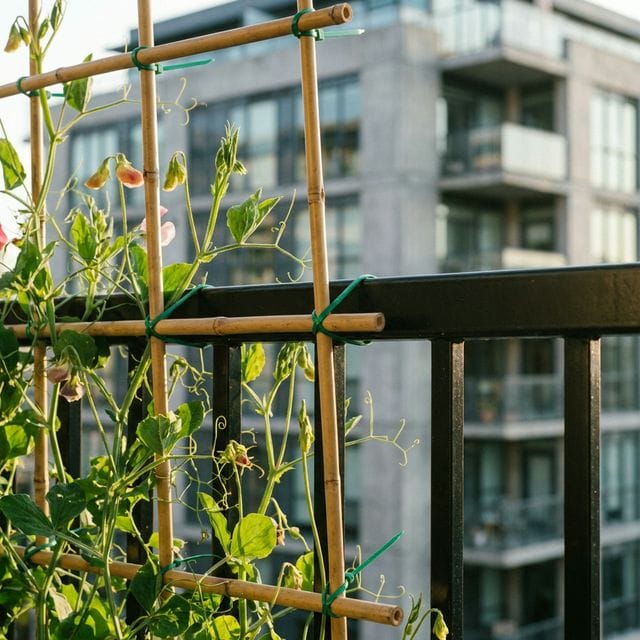
The good news is you don’t need a single hole to go vertical. This guide shows renter‑friendly balcony trellis ideas that use tension, clips, zip ties and freestanding frames instead of power tools, so you can grow up without breaking your lease.
Quick Answer: How Do You Attach a Trellis to a Balcony Without Drilling?
You can attach a trellis to a balcony without drilling by using rail clamps, zip ties, tension rods, adhesive hooks or freestanding frames that simply lean against a wall. These methods support lightweight trellises and vines while leaving walls and railings untouched, which keeps most landlords happy. Mind balcony weight limits.
Method 1: Rail-Clamped and Zip-Tied Trellises
For balconies with solid or metal railings, the simplest option is to clamp or tie a trellis directly to the rail.
- How it works: Use lightweight trellis panels (bamboo lattice, plastic mesh or wire grid). Attach them to balcony railings with adjustable clamps, bungee cords or UV‑resistant zip ties. Place a heavy planter at the base to anchor the trellis.
- Best for: Metal or wood railings with bars or slats; light to medium climbers.
Renter tips: Use black or green UV‑resistant zip ties so they don’t become brittle in sun. Check ties once or twice a season and replace any that look chalky or cracked.
Method 2: Tension Rod Trellis Walls
If you have two parallel surfaces (inside a balcony niche or between side walls), tension rods can create a trellis spine without any hardware.
- How it works: Measure the span where you want your trellis “curtain.” Install one or two tension rods snugly between walls or posts. Hang lightweight trellis netting, wire grids or strings from the rod using clips or zip ties.
- Best for: Narrow balconies, inset loggias or recessed areas with walls on both sides.
Method 3: Freestanding and Lean‑To Trellis Frames
If your lease is strict or surfaces are awkward, freestanding frames are the safest fully non‑attached option.
- How it works: Build or buy a simple A‑frame, ladder‑style or panel trellis that stands in a container or directly on the balcony floor. Place heavy pots or bricks at the base to stop it from tipping.
- Best for: Very restrictive leases where you don’t want anything touching walls or railings.
If you’re in a windy area, check our wind-proof balcony garden guide for tips on securing your setup.
Safety Notes for Renters
- Check your lease: Look for wording about fixtures and exterior modifications.
- Respect weight limits: Pair any trellis with lightweight soil mixes to keep your balcony safe.
- Think wind: Avoid huge “sails” of solid panels that can catch strong gusts.
Q: Is it safe to attach a trellis to my balcony railing with zip ties?
For light trellises and small vines, UV‑resistant zip ties are a common, renter‑friendly way to attach supports. Just avoid overloading flimsy railings and check ties regularly for sun damage. Mount on the balcony railing.
Q: What’s the most landlord-safe trellis option?
Freestanding frames that sit entirely in pots or on the floor and don’t touch walls or railings are usually the safest choice for strict leases.
Is it safe to attach a trellis to my balcony railing with zip ties?
For light trellises and small vines, UV-resistant zip ties are a common, renter-friendly way to attach supports. Check them annually for sun damage.
What is the most landlord-safe trellis option?
Freestanding frames that sit entirely in containers or on the floor—without touching the walls or railings—are typically the safest path for strict leases.
Read more: Check our Complete Balcony Gardening Guide for Renters for more expert tips.
