
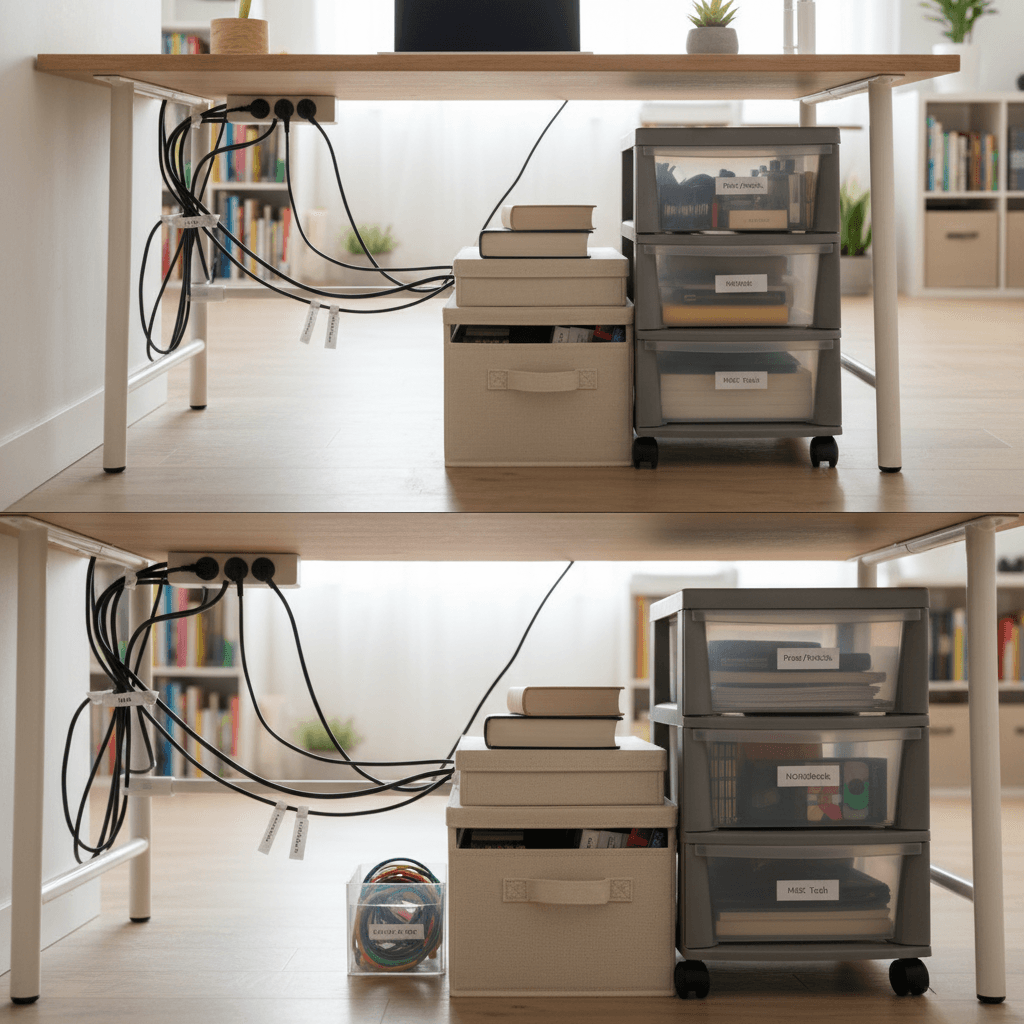
Down below your desk, blank space waits. That gap turns useful when holding pens, cords, extra lamps, notebooks – stuff piling up elsewhere. Instead of buying new shelves, why not try what’s already there? About three to six square feet hide under most worktables. One afternoon fits a basic setup, usually costing between thirty and one hundred dollars. Slide bins, hang caddies, clip on trays – it clicks together fast. Reach for things fast because they stay close but out of sight. A tidy room feels calmer even if nothing else changes. You gain order by using dead zones more wisely. Nothing gets added; you just rearrange attention.
Under Desk Storage Smarter for Tiny Homes
Hidden right where you step, a few square feet of storage sit unused. Every day, folks pass by – eyes elsewhere – missing what’s underfoot. Space hides in plain sight, ignored. A spot just big enough fits more than expected. Forgotten corners wait, doing nothing. Each footstep covers potential. Little patches go unseen, though they could help.
Most desks stretch between four and five feet across, about two to two and a half feet front to back, standing knee-high at around twenty-eight to thirty inches tall. Hidden beneath? A gap taking up close to two dozen cubic feet – room enough for stacks of things if only we looked down instead of sideways. Apartment research keeps finding people fill barely half the upward room they’ve got, especially blowing off what’s tucked below furniture like desks. Each morning passing by that open zone while closets burst and beds sag under plastic boxes – it’s odd, really, since help is already within reach.
Most studio spaces stretch tight across three hundred to six hundred square feet. Fitting sleep, work, seating, maybe even meals into one compact zone means every object must pull weight. Instead of standing idle, furniture earns its keep by serving more than one role. Take the desk – beyond holding a laptop, it might hide bins beneath for cords or files. With little room to spread out, using dead air below tables shifts from clever trick to daily necessity. Under-desk pockets stash printers, extra cables, winter lights, even wipes – all tucked away where legs go but eyes rarely follow. Floor area stays clear when hidden cubbies take over clutter duties. Mind weight limits on shelving.
Neatness beneath your work surface brings perks that go past mere room-saving. Within arm’s reach means less walking back and forth during tasks, grabbing what you need without breaking flow. Stuff tucked away collects less grime compared to things left out in the open air. The mess fades from sight once it slips below, especially noticeable when lounging nearby after hours. Out of sight, those messy cords stay hidden below where visitors won’t notice them. Since everything’s stored out of view, you start noticing which gadgets you truly use and which ones just collect dust – clutter fades when it’s harder to ignore. Hidden storage changes how you think about what belongs.
Under Desk Storage Budget and Premium Choices
A single shelf tucked beneath can do just as much. Costly pieces aren’t required when clever placement helps. A tight fit often beats a high price tag. Underneath room grows without fancy buys.
Under-desk storage on wheels, a three-tiered unit made of durable plastic slides smoothly into tight spaces. When needed it pulls out effortlessly thanks to integrated rollers underneath. This compact organizer holds everyday tools like staplers markers and charging cables without cluttering your workspace. Priced between twenty-five and forty dollars it balances cost and function well. Perfect spot for documents you grab often along with USB drives sticky notes and spare batteries Also organize a small closet.
A clip-on tray slips under your desktop, ready for upright files. It finds a home on the edge or below, depending on space. Priced between fifteen and twenty-five dollars, it stays affordable. Think of it as a spot for paperwork you touch every week. Bills live here. So do open projects needing quick access. Vertical storage keeps things visible without tipping over
Sliding neatly beneath your desk, a small platform opens up fresh space where clutter used to live – often set at different levels depending on need. Priced between twenty and thirty-five dollars, it holds steady under books, printers, even fabric-covered bins meant to stash odds and ends out of sight. Height tweaks make it fit just right below tabletops. What was empty air now works harder
These fabric bins have flexible walls. Usually they stand next to one another or pile up neatly. Once emptied, they collapse flat. Cost ranges between eight and fifteen dollars per unit. Seasonal gear fits well inside them. Cords and electronic leads stay tidy there too. Cleaning bottles or tools find space here easily. Bulk buys get stored without taking much room
On a pegboard panel, you can set up where hooks go – fits on desk legs or rear walls. Priced between twelve and twenty dollars, minus the hooks. Holds things like headphones, scissors, bags, stuff picked up often. Positioning stays flexible, changes allowed anytime
A clever setup begins down low, where four legs plant firmly on the floor beneath your worktable. This isn’t just a shelf – it layers space like steps, rising into view only when needed. Priced between thirty and fifty bucks, it pulls double duty without calling attention. The screen perch stays put up top while hidden room opens below. Function folds into form, quietly holding what you reach for less often
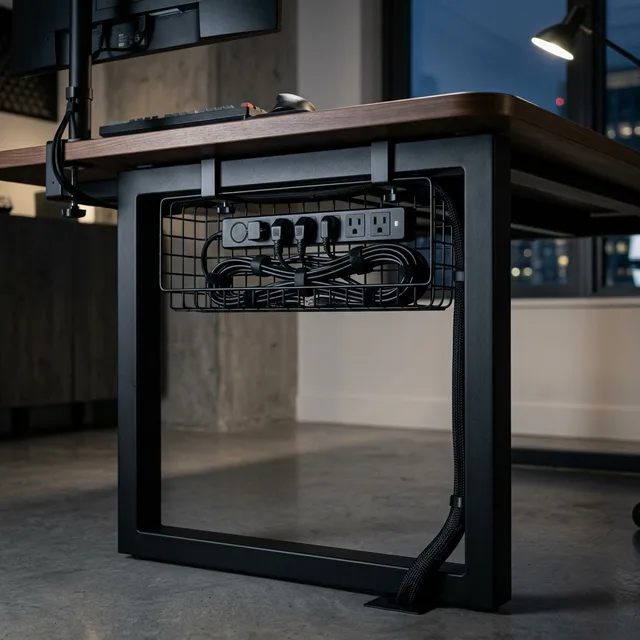
Hidden away inside a compact case, messy cords find their home. Power strips tuck neatly into this container, kept out of sight. Priced between fifteen and twenty five dollars, it slips under desks or behind furniture. Wires stay organized through simple design, not flashy features. Clutter fades without drawing attention to itself
A stretchy metal bar fits snug across table supports. From it, S-shaped hooks dangle little containers underneath. Cost sits between ten and eighteen dollars altogether. Works well when holding light stuff – think wraps, tiny wrenches, or wipe rags
Sliding into corners where bigger carts won’t fit, this slim rolling unit measures just 6 to 8 inches across. Priced between thirty five and fifty five dollars, it slips beside furniture without crowding the room. Perfect inside compact studios that need extra storage on wheels. Carry mugs, notebooks, pens – small things piling up nearby. Wheels let it move when needed, then tuck away again
Metal-stick tape sticks right on steel desk edges. Holds tiny tools near where you need them. Costs between eight and twelve bucks a piece. Scissors fit here. So do clips, thumb drives, house keys. Works best when stuff needs grabbing fast
Topped with snug covers, these see-through containers stand tall when stacked. Priced between six and ten dollars apiece, they keep dust out. Great for holiday ornaments, old files, or spare items tucked away. Vertical storage saves floor space without sacrificing access. Clarity lets you spot contents fast, no guessing needed. Durable plastic handles shifts from closet to shelf without strain
Slung beneath your desk, a small tray cradles the computer box where it won’t block feet. Away from the ground, the unit stays clear of dust while opening space below. Priced between twenty and forty bucks, it shows up quietly in home offices and tight workspaces. People using full-sized computers tend to grab one when every inch matters. Floor area vanishes fast – this keeps shoes shuffling freely
Spending could be as low as thirty dollars, maybe up to a hundred – depends on picks. Tackle the worst mess first using just one fix, perhaps two. Build from there when it makes sense.
Under Desk Storage Setup
Thirty to sixty minutes is how long it lasts, beginning to end, if everything’s already on hand. Storage gets sorted within that window.
Start by checking how much room you actually have. Drop down to the floor, stretch out a measuring tape, then jot down the distance from one desk leg to the other – most are between forty and fifty-five inches wide. Next, check how deep it is from the front of the surface straight back to where the wall begins or the rear legs sit; twenty to twenty-eight inches covers most cases. Don’t skip measuring upward either – from ground level up to the bottom of the desktop usually lands somewhere in the twenty-four to twenty-eight inch range. Watch for things blocking space underneath – a beam running across the middle,
cords snaking through, or shelves fixed inside can eat into open area. Tuck those numbers away before heading to stores so nothing comes as a surprise later.
Under your desk, start by taking out every single thing. Shoes go here, boxes there, cords everywhere – just move it all aside for now. That hidden corner beneath needs attention next. Run a vacuum over the floor, then wipe it down with a wet cloth. Now see what is left after clearing the mess? Space appears where you thought there was none. A clean base sets up the order that follows.
Besides holding paperwork, vertical trays help keep folders upright and sorted. Rolling carts fit tiny tools plus sticky notes without cluttering desks. Instead of grabbing any bin, think about what slips into place easiest. Things like clips or USBs? Slide them into pull-out sections. Hanging setups suit documents; they just hang there waiting. Size matters less when each piece has a spot that fits right. Cable chaos? Tame it with a box made for tech bits. Before picking one, figure out exactly what gear lives inside. Size matters when cords pile up.
Start by securing fixed items. Shelves go up first, then pegboards, followed by CPU mounts – before sliding bins or carts into place. Each piece either screws in or sticks on, demanding room to fit right. Read the guide that comes with it, watch how much weight each part handles, make sure nothing leans sideways. A drill works when fastening to metal frames; rental setups lean on heavy-duty sticky tape instead.
Beneath the desk, tuck frequently used roll-out trays up front – easy to grab during the day. Storage meant for rare moments slides farther back, tucked away like winter coats in spring. On either side, a gap of two or three inches stops shelves snagging on frame corners when pulled open. Smooth movement matters more than tight fits here. Front-loaded convenience shapes how things settle into place.
Toss alike stuff into matching bins – cables here, desk gear there, cleaners off to the side. Up front or on top? That is where daily picks land. Back corners and high shelves hide what you grab once a month. No more clawing through piles just to spot that one charger. Sorting like this keeps clutter from taking over again. Piles stay neat when every piece has its own usual spot. Finding things gets quicker without flipping entire boxes upside down. What you touch most often stays closest at hand. Less motion means less mess building up later. Everything settles into spots that simply work better over time.
Later on, finding things gets easier if each drawer, bin, or spot carries a clear tag. Try a label machine, sticky tape with handwriting, or printed stickers to show what goes where. Instead of saying just “electronics,” name exact contents – like “USB cables plus chargers” – so it makes sense at a glance. Opening all boxes one by one won’t be needed then. Clarity now saves time down the road.
Right after that, take care of where the wires go. Loose strands get caught easily, so fasten them down somehow – maybe clips or straps will help. Follow the edge of the furniture with each line, hiding most out of sight. Tidy paths mean less tripping later on. A clean run avoids surprises when reaching behind. Neatness here stops small moves from knocking connections loose.
Under Desk Storage Ideas
Under your desk isn’t a spot for every object. Certain things fit just fine; meanwhile, others make reaching them a struggle.
Office supplies like pens, paper, and staplers fit best in a rolling three-drawer unit about thirty to forty centimeters tall – place these up front since they get used every day. Instead of stacking cables loose, tuck them into a cable box or fabric cube with sections, using fifteen to twenty-five centimeters of space; store them halfway back because weekly check-ins are enough. Seasonal things such as holiday decorations or spare bedding belong in stackable lidded bins, each taking twenty to thirty centimeters vertically; slide those toward the rear due to once-a-month needs. Reference books? Slide under-desk shelving beneath your workspace or assign fabric cubes, needing twenty-five to thirty-five centimeters
height-wise; keep within arm’s reach for regular use but not daily urgency. Cleaning tools work well inside a handled fabric cube or portable caddy requiring twenty-five to thirty centimeters clearance; position nearby so grabbing wipes or sprays stays hassle-free during routine upkeep. Snacks and drinks thrive on a narrow mobile cart or suspended basket occupying just fifteen to twenty centimeters upward space; nestle it near the front edge where reaching is effortless even when sitting still. A scanner or printer lives comfortably on an elevated under-desk shelf between thirty-five and forty-five centimeters high; give it solid footing and moderate access frequency without cluttering prime zones. Old files deserve file organizers
or tightly closed containers standing twenty-five to thirty-five centimeters tall; stash these farthest away given how seldom anyone pulls old records out anymore. Extra tech bits – backup mouse, spare keyboard parts – go neatly into compact trays or surface-level holders needing ten to fifteen centimeters; organize by month rather than week, tucked inside assigned slots. Power strips hide cleanly inside dedicated management enclosures around fifteen to twenty centimeters in size; though rarely touched directly, their constant behind-the-scenes role means smart placement matters more than visibility. One thing learned through trial: if something gets grabbed often while seated, set it low and forward where fingers find it fast without full
body movement involved. Things pulled less often tolerate being placed above eye level or beyond immediate stretch range, especially if crawling slightly now and then doesn’t slow anything critical down. Stuff needed only two or three times per year belongs buried deep, shoved completely behind busier layers – that kind of forgotten spot suits dormant seasonal loads perfectly.
Cable Management Under Desk
Beneath many workspaces, cords twist together – haphazard loops tangled worse than yesterday’s headphones. Wires snake in every direction, knotted without plan or purpose. Some dangle loose, others wrap tight around table legs. A mess born slowly, one plug at a time. Not quite chaos, but close enough to feel it when you reach down. Each bundle tells its own story of convenience ignoring order.
Wires for power, charging, internet, USB devices, headphones – they twist into knots so tight it feels like cutting through vines just to plug something in. Slide a box nearby? One cord snags it every single time. Dust clings along their lengths as if magnetized. Here’s the real pain: yanking what you think is a charger only to realize you’ve pulled out the router cable instead – everything stops working mid-task. Fifteen to thirty minutes spent arranging them neatly keeps chaos at bay for weeks after. A small fix. Big relief.
Cable organizers and clips ($5-15, simplest solution):
Underneath your desk or down the legs, sticky cable holders stick in place, guiding every wire where to go. A set of twenty to thirty costs eight to twelve dollars, enough to keep things tidy – send the power line down the left post, let Ethernet trace the rear rim, guide USB lines along the right flank. Each clip grips tight yet lets go fast when it is time to disconnect. Works well if you have just five to eight cords and sometimes must reach one plug quickly. Trace any single route by eye to grab what you need, leave the rest untouched.
Zip ties method ($2-5, DIY budget approach):
Every few inches, group matching cords using plastic clips – keep things tidy by avoiding tangled messes. Blue ones hold power lines, red marks data wires, white saves charging links, color helps tell them apart fast. Tiny expense, big difference right away, yet adjustments mean snipping old clips and adding new. Allow slight give inside each wrap so ends do not pull tight under stress. Attach little markers showing where each cluster leads, spotting the right one takes no time at all.
Under-desk cable tray ($15-30, professional solution):
Cables find their way through metal or plastic trays fixed beneath the desktop, forming one organized path that stays within reach. Underneath space stays clear because these trays lift every cord off the ground, keeping things out of the way down low. Higher-priced versions divide electrical lines from signal wires using separate sections, cutting down on electronic noise between them. Neatness peaks here – ideal for workstations tangled with more than ten cords, particularly if gear comes and goes often. Set up lasts half an hour at most, using parts provided, along with either a drill or heavy-duty sticky tape.
Essential practices regardless of method:
Start each wire with a tiny tag or a stripe of color that shows where it goes. That way, confusion fades when one stops working. Loop leftover lengths into tight spirals, fasten them down using soft fabric ties instead of knots or clips. Leave space around plug spots – never tuck a power block behind boxes stacked high. Pick an outlet board with separate toggles so cutting juice to just one machine stays simple. End every setup knowing exactly which line does what.
Under Desk Storage Errors People Make
Mistake 1: Overloading storage without checking weight limits
Under desks, thick stacks of textbooks slowly press down on plastic bins meant for lighter things. Old hard drives sit where supports weren’t built to carry their mass. Printer paper piles grow while nobody checks if the frame beneath can manage it. Cracks appear first along the edges of cheap trays. Shelves tilt forward when too much settles at the front. Legs twist sideways after weeks of uneven pressure near one corner.
A wobble shows weakness – pressing down and seeing shake means that spot won’t hold forty pounds below. Look at what the maker says about weight limits, for the desk itself and every added bin or shelf. Spreading heavier things out helps, using more than one unit instead of piling all into a single space.
Mistake 2: Blocking access to frequently needed items
Grabbing a stapler shouldn’t mean clearing out half your desk. Some setups look neat but force you to pull out bins, slide shelves aside – just to reach one tool. Beauty matters less when it slows you down every day. If using something feels like unpacking luggage, the order won’t last past next week.
Right up front, stash what you reach for every day – or better yet, put those things on shelves that glide right out when pulled. Deep inside, tuck away stuff you only need once a month or even less often. Before calling it done, check if sitting down still lets you snag regular-use items without stretching too far.
Later on, tangled wires show up. Because planning missed the cords at first. Wires hang loose once shelves go up. Without early thought, cables twist everywhere. Setup finishes fast but looks messy afterward. Fixing it takes more time than doing it right upfront
Under desks, folks often put up shelves, drawers, and bins right away – only later realizing cables must squeeze through the clutter. Wires get bent, trapped, or twisted beyond recognition before anyone thinks about access. When it’s time to unplug one thing, everything else seems in the way. Trying to fix cord flow after building storage means taking most of it apart just to reach a single plug.
Start by sorting wires before setting up shelves or cabinets. Wherever outlets go, plan slots nearby so cords fit without squeezing. Think about path space while arranging furniture – gaps help lines move behind objects smoothly. Fix positions of multi-plug units first, then shape the layout to match.
Mistake 4: Using storage that doesn’t match item sizes
Those three-drawer units might seem handy – except each drawer is just 3 inches high, while your books stand 4. The spines stick out, forcing lids shut with a bang, if they close at all. Money gone, space misused. Bins meant for cables fail the same way under tangled power bricks that hang over edges. Even those soft fabric boxes sag awkwardly beneath a printer too wide to settle flat inside.
Start by sizing up what you’re storing – getting measurements first keeps surprises later. Slip an inch or two beyond those numbers so things slide in without a struggle. If the choice feels unclear, tip toward roominess; tight fits tend to frustrate while open bins adapt. Extra breathing space? That never hurts.
Fifth misstep: Building something once then walking away from it
A mess under your desk will creep back if you ignore it. When life shifts, so should how things are stored – otherwise that tidy space turns useless fast. Skip regular check-ins, and by autumn, cords tangle where order used to be.
Every month, spend a quarter hour checking what’s beneath your desk. When something does not fit anymore, take it out. Rearrange pieces as how you use them changes over time. If an item has sat untouched for half a year or more, let it go. Let this space adapt instead of treating it like a task done once.
DIY vs. Buying: Budget Breakdown
Spending hours crafting a shelf beneath your desk means fewer dollars spent. Yet that homemade piece could take longer to finish than expected. Store versions often appear sleeker when placed in a room. Time traded here may leave edges slightly uneven or surfaces rough.
Old cardboard containers can become storage units at almost no cost. These might include delivery boxes, parcels from online orders, or ones used for holding files. A layer of sticky-back plastic or cloth on the outside makes them appear tidier when preferred. Adjust their height by slicing off parts so they match tight spots perfectly. They basically do not require spending money yet fall apart easily – pressure flattens them, messes soak through fast, and they seem thrown together. A few boxes can hold things together until plans settle. Getting them ready takes half an hour or more, depending on how fast you move through measuring, slicing, and setting each one in place.
Rustic wooden crate storage costs about fifteen to twenty five dollars per unit. Find raw boxes at hobby shops – eight to twelve bucks apiece – then set them up beneath your workstation. Instead of stacking only vertically, slide one ahead so it overlaps slightly with another. A coat of tinted wood finish adds warmth; skipping that step cuts effort down sharply. The heaviest books won’t trouble these frames like they do paper containers. For movement later on, screw small wheels into the base box before loading items inside. Adjustments demand a drill or saw – not something done bare-handed during lunch break. When left natural, setup wraps up fast
– under half an hour start to finish. Painting stretches time closer to two full hours depending on drying pauses between coats.
A set of tension rods costs eight to fifteen dollars. Put them across the space between your desk legs, adjusting height where needed. From these, drape S-hooks that carry small bins, cloth bags, or paper clamps. Shifting things around takes almost no effort. It holds lighter stuff well – thick textbooks might pull it down. People living in rented spaces find this useful since nothing gets drilled. Setting up usually fills about a quarter to twenty minutes of your time.
Fancy plastic setups you buy at stores usually cost between twenty five and forty dollars. These rolling drawers or boxes that sit on top of one another come from places like Target, IKEA, or Amazon. They look neat, all match in size, sometimes include a guarantee if something goes wrong. The box tells you exactly how much each piece can hold so there is no guessing. Putting them together means just placing one on top of another or moving them where you want. Not much room to tweak it, yet the storage works without issues. Ten minutes is all it takes – just open and place where needed.
Those ready-made drawer carts cost thirty to fifty dollars. Rolling on small wheels, they slide neatly beneath your desk. Each holds three up to five levels stacked tight. The pull-out system glides without sticking, built so drawers won’t shoot out when yanked hard. Looks tidy even after months of grabbing things fast. Built tougher than cheap versions – keeps working smoothly year after year. Shifting them around takes almost no effort, handy when sweeping floors or switching room layouts. Unbox one, give it a push into position, that setup step wraps up quick – just about five minutes start to finish.
Off-the-shelf shelf racks (twenty to forty-five dollars) often come in metal mesh or solid wood forms meant to fit beneath desks. These stack space upward, capable of supporting dense objects such as office printers or thick manuals. Putting them together means using included screws and brackets, following step-by-step setup steps. Among similar options, they balance load limits with a tidy, work-friendly look. Setting one up usually takes about half an hour to nearly three-quarters of an hour when factoring in building and securing it in place.
Zero to five bucks buys cardboard boxes you made yourself. Lasts half a year maybe, sometimes twelve months. Half an hour putting them together works fine when just trying out space ideas. Wooden crates built by hand run fifteen to twenty-five dollars. These stick around long past five years if treated right. One or two hours spent building pays off later with charm and fit-to-size perks. Tension rods snapped up on your own? Eight to fifteen dollars down. Expect two seasons, possibly three before wear shows. Quarter of an hour install suits renters needing light support. Plastic bins bought ready-made – twenty-five to forty coins exchanged. Survives three to five
rounds of daily use without cracking. Ten minutes slotting pieces beats confusion every time. Drawers that roll cost thirty to fifty depending where pulled from. Built tough enough for more than five years’ shuffle. Five-minute setup helps reach things used each day without effort. Shelving kits range twenty to forty-five once assembled. Holds weight well beyond expectation. Forty-five minutes upright means room for everything heavy stacked high. Mixing one rolling bin set (thirty to forty) plus homemade tension lines (ten to twelve) fits tight spaces best. Total price lands between forty and fifty-two flat. Toss in free cardboard zones behind furniture for clothes tucked away seasonally.
Maintenance and Organization System
Most folks manage to slide bins underneath just fine – sticking with order means showing up daily. A drawer tucked below stays useful only if you return things each time. Habits form slowly, yet they’re what keep clutter from piling back. The real work begins after everything fits neatly in place.
Friday or Sunday brings a quiet chance to reset. A short span of time, just five minutes, clears the space beneath your desk. Pens find their drawer again. Cables wind neatly, held by clips or ties. Loose sheets either settle into folders or land in recycling. Dust lifts from bin lids and edges when brushed with a soft, dry rag. Storage boxes shift backward if they crept out during busy hours. Small efforts block bigger clutter later. Order returns without effort piling up.
Once a month, take time – about fifteen to twenty minutes – to clear out the space beneath your desk. Pull every item out, look at each one closely. Get rid of old pens that no longer work, send worn-out papers to recycling, give away books already read. Duplicates? They can go too. Arrange things differently now, based on how often they’re reached for. That thing you almost never touch? Shift it toward the back. The tool you use every single day but had buried? Bring it front and center. How you store reflects how you use. Let real habits shape the layout. Done right, the clutter fades without effort.
After clearing the space, run a vacuum over the bare floor. Storage bins get wiped clean one by one – look closely for cracks or warping at the seams. Dust clings where corners meet edges; a cloth removes it without fuss. Each container lifts apart easily when empty, revealing hidden splits along the sides.
When stuff stacks up on your desktop, maybe what’s stored below isn’t worth keeping – or you just lack enough space. If some cabinets go unused since they’re awkward to reach, shift things around for smoother movement. Stuck drawers or bulging containers mean either remove extra items or bring in more spots to store. Finding things takes too long even with a system? Labels might be unclear or groups poorly thought out. Spotting hiccups fast stops them becoming normal.
A labeling method sticks when it fits your habits. Try a label printer, stick clear tape over handwritten sheets, or mark masking tape with bold ink – the key is sticking with it. Instead of vague tags like “miscellaneous,” name exact contents: “USB-C cords plus converters” tells more than “gadgets.” For containers with many pieces, list examples: “Desk tools (markers, pins, glue)” shows purpose clearly. Mark holiday crates with time frames: “Snow lights – Jan 2026” makes old stash obvious later. Swap torn or smudged tags fast, so confusion never sets in.
Tucked away beneath your desk, stash seldom-used papers in a box where reaching feels like a chore. Mark it plainly – say, “Insurance files 2018–2021” or “Old project notes” – with dates included. Tape the lid shut; that little barrier blocks grime plus stops idle flipping through pages. Once each year, dig it out and toss what’s past its due. Only stuff you touch regularly stays within arm’s reach now. Important things? They’re still there, just not in the way.
Frequently Asked Questions About Small Desk Storage Solutions
What’s the heaviest load a space beneath your desk able to support?
Heavy stuff beneath a desk? Most work surfaces handle between fifty and one hundred pounds when you count everything on top. That means whatever hangs below ought to weigh less than forty, maybe thirty-five at most – keeps things steady. Look up your model’s limits inside the maker’s guide before piling on books or bins. Spread out the load across the whole base instead of stacking it all left or right; uneven pressure risks wobbling legs or even a tip-over.
How do you pick ideal under-desk storage when space is tight in a tiny studio?
Sliding on smooth casters, these three-tier carts stash pens, cords, or tiny tools without hogging floor space. Pull one forward – every shelf comes fully into view, so nothing gets lost at the back. Priced between twenty-five and forty bucks, they show up in shades that blend with walls or pop against them. When closed, each compartment shields clutter from settling dust. Perfect when rearranging a tight room happens now and then.
How do I keep cables organized under my desk?
From beneath your desk, adhesive clips – costing eight to twelve dollars per set – hold wires neatly by sticking underneath, guiding each one down its own path so they do not twist together, plus helping spot any single cord fast. When things get busier, a tray installed below the desktop runs fifteen to thirty bucks and bundles everything into one open space where cords stay grouped yet reachable. At both ends, mark every wire using tiny labels or bits of tinted tape – you will never guess wrong when pulling one loose.
Can I use under-desk storage on a floating desk?
Hanging a desk from the wall means it can’t hold much. Without legs, there is nothing solid to clip storage onto underneath. Try putting up small shelves right below the desktop instead. Hooks stuck on the back wall might work well for holding lightweight things. Floor bins could help if they stay separate from the desk frame. Too much load down low risks pulling the whole setup loose. Aim to keep anything beneath light – nothing heavier than about twenty pounds ever. That way the fixings in the wall won’t give out.
Is under-desk storage good for rented apartments?
Floor-level organizers work well in rented spaces since they usually need zero fixing to walls or surfaces. Gliding trays, cloth containers, and layered boxes just rest beneath the desk – no screws needed. Things such as sticky-backed cord fasteners or removable hangers come off smooth when it’s time to leave. Drilling into your desk should be skipped if it isn’t yours. Pick pieces that break down quickly whenever a move comes up.
How do I hide cables under an apartment desk?
Use adhesive cable-management trays and zip-ties mounted directly to the underside of the desk to keep cords off the floor completely.
What are the best under-desk storage solutions for studios?
Opt for slim, rolling metal drawer units. You can pull them out to use as a side-table when working, and tuck them away to save space later.
Can I mount hard drives beneath my desk?
Yes, you can use strong 3M command strips or under-desk brackets to securely mount external hard drives and hubs out of sight.
