
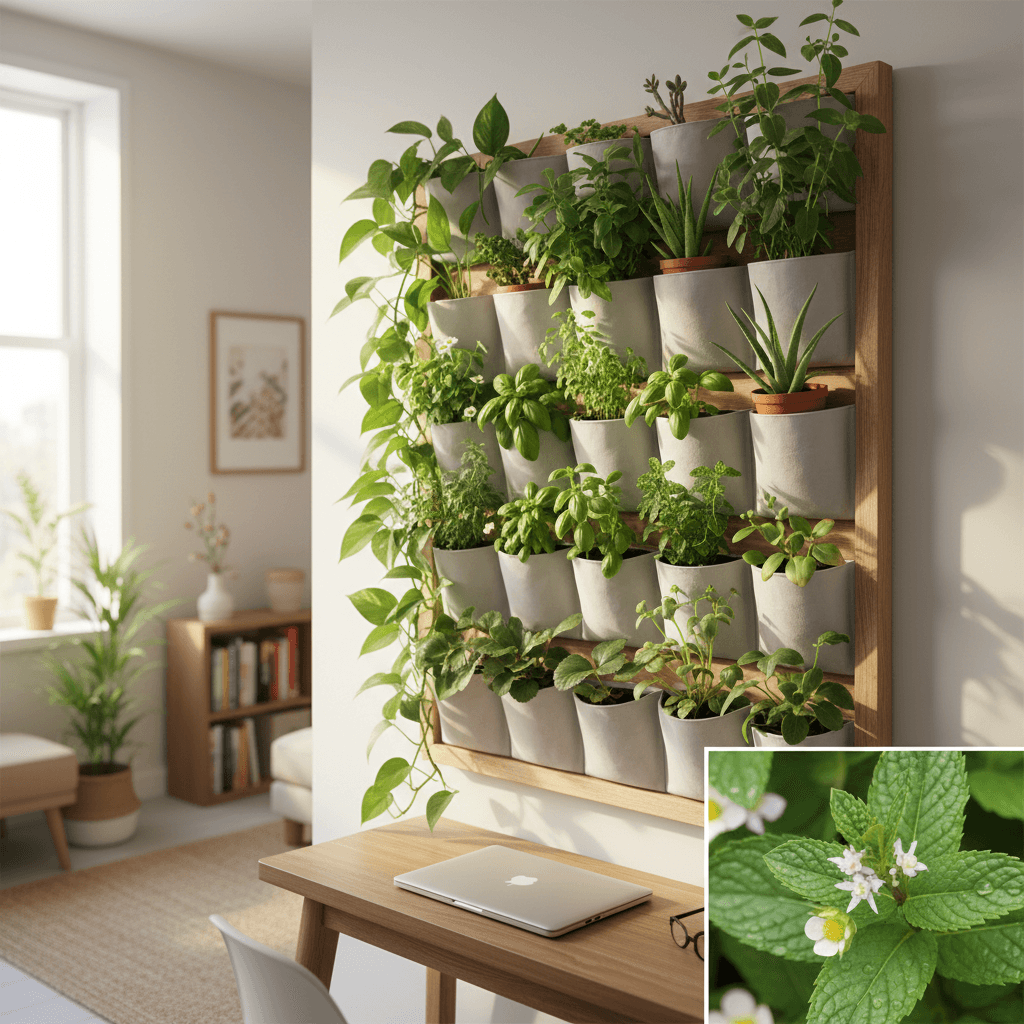
Upward-growing plants live on a mounted frame, saving floor room usually taken by regular planters. Tiny homes gain green corners when blank walls start hosting leafy life. For twenty to thirty bucks, common shop supplies turn into a living panel – skills or fancy gear are not needed. Step-by-step help arrives here: pick parts, set up growth zones, then spend only five to ten minutes each day tending the display.
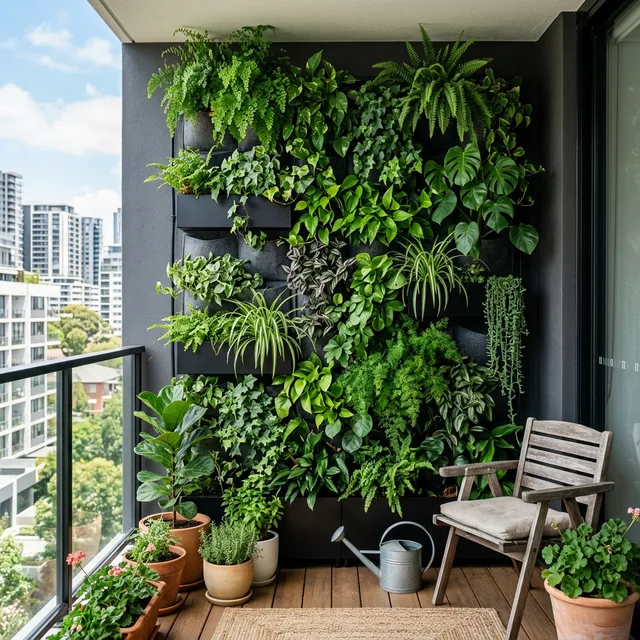
Why Vertical Gardening Works in Micro-Living
Up top, where walls meet ceiling, lies hidden room for greenery – no need to give up a single patch of flooring when roots climb instead of spread. Space becomes what grows above foot level.
Pots on the ground need around one to four square feet apiece. A set of six or eight takes up ten to fifteen – space you might use for a shelf, chair, or clear path. Wall-mounted greenery sticks right onto surfaces that normally sit empty. That same cluster fits into a 3×4 frame without touching the floor at all. Imagine gaining back every inch underfoot – the exact spot where a loveseat would go. People in studios or tight rooms feel this shift most. Space stops being wasted when growth goes upward.
Plants stacked upward save floor area, yet their real value hides in quieter gains. Inside apartments, leafy types pull invisible poisons like formaldehyde from the air – science from space agencies confirms this. Picture a modest room, say ten by ten, holding just three or four pots; half the floating contaminants vanish overnight. Eyes landing on green life, even briefly, ease mental strain, studies repeat this finding often. Confined walls feel less tight when growth lives nearby. Growing basil or lettuce near cooking spaces means meals start with what you raised yourself. That habit, month after month, trims herb expenses at stores by around two dozen dollars.
Standing plants on walls just makes life simpler, especially compared to digging around outside or wrestling big pots indoors. No need to carry bulky dirt containers upstairs anymore. Critters such as slugs or bunnies won’t nibble your greens when everything grows overhead. Instead of stooping over, you pour water right where it’s needed – level with your torso. Tending them each day steals only a few minutes, while yard plots demand long stretches of time. Light, water, temperature – all yours to adjust, no need to wait for the right sky or month. Living high up without a yard? Vertical gardens just make it easier, step by step.
DIY Vertical Garden Materials (Under $30 Total)
Forget fancy garden shops. Skip the pricey hydroponics gear. Stuff you’ll use? Found at any hardware outlet. Sometimes even the dollar store carries it. Online spots work just fine too.
- Wooden pallet (recycled or purchased) – A base made of wood, once used for shipping, holds greenery upright. Found again behind markets or shops, it gets a second life. Some pay fifteen dollars; others find it without cost. Built strong, it supports pots and soil well. Ask first before taking any from store alleys. Its rough look fits gardens, blending easily into outdoor corners
- Landscape fabric or burlap – A sheet of landscape cloth or a burlap wrap lines each pocket, holding dirt in place without trapping water. It stops soil from slipping out through gaps below. You can find one measuring three by six feet priced between three and five dollars at Home Depot
- Staple gun with staples – A tool that fires staples can fasten cloth to a wooden base in seconds. Hardware shops sell them for between eight and twelve dollars. Some people might already have one you could use instead
- Potting soil (small bag) – A small bag of potting soil works well because it stays light and lets water flow easily in upright planters. This kind of mix costs between five and eight dollars for an eight-quart size. You can find it at stores like Walmart or Home Depot. Regular dirt from the ground doesn’t handle vertical spaces as smoothly
- Small plants or cuttings – A few tiny greens might start life tucked into a pocket – herbs just beginning, maybe a pothos trail or squat succulent. These begin at two bucks, sometimes four. When new ones grow from snapped stems, they cost nothing at all
- Wall anchors and screws – Holding things up where walls are hollow? These little helpers tuck into drywall, keeping shelves or pictures from pulling loose. A set handles over fifty pounds, built tough so plaster stays intact. Price tags sit between three and five bucks for one collection – enough to secure heavy items without worry
- Plastic sheeting or tray – A tarp or pan sits underneath, ready to grab any dripping water. This one keeps spills off the floor and away from baseboards. A compact plastic tray costs between two and four dollars. Find it at discount shops that sell everyday items
- Measuring tape – A piece of string might work too – just stretch it straight across. Position checks matter most when placing pockets on a wall. A ruler helps, but even folded paper gives hints about alignment. Spacing gaps right keeps things balanced visually. Some folks open their phone’s built-in tool instead. Cost drops to zero that way if you already own the device. Five bucks at the store feels fair for something used once
- Level – A small tool helps line up your garden on the wall – costs four to six dollars. Or just grab your phone, some apps do the job too
- Drill or screwdriver – A power tool helps make small guide holes before putting in screws. Start with a borrowed one instead of buying right away – around fifteen to twenty dollars buys a simple wireless model when needed
- Scissors or utility knife – Start by grabbing what you have – maybe scissors, maybe a small blade. Whatever cuts through cloth or plant bits works just fine. Cost? Little to nothing if it’s sitting in a drawer at home. Two or three bucks max for something new. Most folks already keep one around without thinking twice
- Optional: Command strips for lightweight setups – Maybe try command strips if you want something light. Renters who hate wall damage might like these instead of drilling. Heavy-duty kinds cost between eight and twelve bucks
Total cost: $20-$30 if you already own basic tools, $40-50 if purchasing everything new. Everything available at Home Depot, Lowe’s, Walmart, or Amazon with 1-2 day shipping.
Step-by-Step: Building Your Vertical Garden Wall
A single morning might be enough if everything’s on hand before beginning. Starting time leans heavily on prep work already done.
Step 1: Prepare and clean your pallet. Start by getting your pallet ready. A used one needs checking for broken wood, sticking-out nails, or soft spots. Go over sharp corners with sandpaper so nothing tears skin or fabric. Then pass a wet cloth across the surface to clear off dust and leftover grime. Pallets usually come in at forty by forty-eight inches – split one apart with a hand saw when room’s tight. After washing, wait until it’s fully dry before moving forward.
Step 2: Locate wall studs and plan mounting position. Start by hunting for those wooden studs behind the wall. Try tapping lightly – solid noise means stud, echo means empty space. A small tool can help spot them too. Pencil in each spot once found. Heavy loads need strong anchors, especially when dirt and greenery pile up. Think fifty pounds, maybe more. Drywall alone will fail. Pick spots where sunlight reaches well throughout the day. Watch out for doors that swing open nearby. Pathways should stay clear. Two sturdy points are minimum. Marking helps avoid mistakes later. Safety hides in details like these.
Step 3: Attach landscape fabric to create planting pockets. Start by fixing landscape fabric to form spaces for plants. Place the pallet down so the smoother side faces upward. Slice the fabric or burlap into pieces roughly 10 to 12 inches across, matching the pallet’s span. Fasten one end of a strip to the lowest slat using staples, making a pouch underneath. After that, pour in around 2 to 3 inches of growing mix. Then secure the fabric to the slat just above, forming a second compartment. Work your way upward, forming three to five level compartments along the pallet frame. Fasten the cloth edges to the upright slats using staples to hold each section firmly in place.
Step 4: Add drainage and backing protection. Behind the fabric pockets, fix a plastic sheet using staples – this keeps your wall safe from dampness. Begin at the base. Snip tiny openings there inside every pocket, allowing extra liquid to leave instead of gathering. Water trickles out now, stopping roots from decaying and mildew forming at the rear of your upright plant setup.
Step 5: Mount the pallet to the wall. Hold the pallet up to the wall where you marked the studs – grab someone to assist since it’s bulky and tough to manage alone. Line it up carefully so it matches your marks. Check that it sits flat by placing a level across the top edge. Begin fastening by boring small guide holes through the side planks right into the wall framing. Fasten it securely using three-inch screws driven through those openings into each stud behind. The weight needs solid anchoring, so take time aligning every screw. Once fixed, give it a firm push to confirm stability. Four screws – two on each stud – keep the mount steady. Give it a hard pull to check firmness before letting go.
Step 6: Plant your selections into the fabric pockets. Begin by sliding chosen greenery into the cloth compartments. From up high, poke openings in the dirt using fingertips. Carefully ease each plant out of its temporary home, tucking roots inside those gaps. Push earth around them, firming it with steady hands. Leave a gap of half a foot between neighbors in every section. Upward growers fit well at the base – think basil or thyme – while drooping types such as devil’s ivy shine overhead. Each level holds what suits it.
Step 7: Set up water management and initial watering. Water needs attention now. A small tray goes on the floor beneath the base of the vertical planter to collect drops. Pour liquid slowly into every pouch until it escapes through the openings made for draining – around one or two cups may be needed. Wait half an hour after wetting so excess can flow out. Look inside the holder below afterward, remove any pooled fluid. During the following seven days, change how much moisture is added by watching what drains out.
Step 8: Monitor for the first week and adjust. Watch closely during week one, tweaking as needed. Each day, take a look – stick your finger down about an inch into the soil. When it feels parched at that depth, give water more often. Should it stay wet like a sponge, scale back how much you pour or slice extra openings for better flow. Adjusting early keeps things on track without surprise shifts later. Few plants slump at first when moved, yet most bounce back after three to five days. Where gaps appear from sinking earth, toss in extra dirt to even things out.
Best Plants for Vertical Wall Gardens (Beginner-Friendly)
Few green things climb walls without fuss – yet these pick their way up easily, forgiving a late drink now and then.
| Plant | Light Needs | Water Frequency | Best For | Difficulty (1-5) |
|---|---|---|---|---|
| Pothos | Low to medium (3-4 hours indirect) | Every 7-10 days | Trailing coverage, air purification | 1 |
| Basil | 6-8 hours direct or bright indirect | Every 3-5 days | Cooking, fresh pesto, pizza toppings | 2 |
| Mint | 4-6 hours indirect | Every 4-6 days | Tea, mojitos, salads | 1 |
| Strawberries | 6-8 hours direct | Every 2-4 days | Fruit production, cascading growth | 3 |
| Succulents | 4-6 hours direct | Every 14-21 days | Low maintenance, drought tolerance | 2 |
| Philodendron | Low to medium (2-4 hours indirect) | Every 7-10 days | Large leaves, fast growth | 1 |
| Creeping Fig | Medium (4-5 hours indirect) | Every 5-7 days | Dense coverage, unique texture | 2 |
Beginners find success starting here – with pothos or kitchen greens. These hardly ever die, grow noticeable within weeks. That progress teaches trust. Even dim corners suit pothos well, ideal where windows are small. Brush past mint or basil, the scent rises instantly, filling nearby space.
Water System for Vertical Gardens
Water runs out faster in vertical plant walls, meaning how you add moisture must shift slightly. Starting at the top, liquid moves unevenly down the structure – this asks for attention. Each level dries at its own pace, especially those near the base versus up high. Because flow changes constantly, timing between drinks becomes less predictable. Watch closely; signs appear earlier here than in regular containers. Too much water lingers below while upper pockets thirst. Adjustments happen slowly, guided by what the plants show day to day.
Manual watering (most common for small setups):
Every few days, pour water into each section – one spot at a time – twice or three times depending on what grows there and when in the year it is. A jug with a slim opening helps guide liquid exactly where needed instead of flooding everything around. Unlike flat containers, moisture flows down from tier to tier, meaning upper levels lose supply faster than those below. At my place, I add between one and two mugs’ worth up top, settle for about one mug mid-level, then only half that low down because extra wetness drips its way there anyway. Finger-deep checks decide what happens next. Three to five minutes covers every spot in a three-by-four-foot space. When the dirt seems thirsty, feed it water. If moisture lingers below the surface, leave that section alone.
DIY drip irrigation system ($10-15 additional):
Starting out, folks on the move might like steady watering by machine. From the shop shelf grab a twenty-foot coil of quarter-inch pipe made for drops, some outlets that sip water slowly, plus a clock-driven gate for control. Hook one end to a spigot near your door or a raised tank holding liquid above ground level. Place just one sipping outlet into every planted crevice up high where greens grow. Let the dial run its course two times each day, feeding moisture for about two or three minutes per round. Thirty to forty five minutes is what it takes to get things up and running, yet after that you are free from everyday watering tasks. One thing stands in the way – access to water must be close by, just ten to fifteen feet away at most, while tubes will show where they run across walls or near floor edges.
Self-watering pockets (alternative design, $35-50):
Filled planters that drink water slowly – different version, costs between thirty five and fifty dollars. Starting off, certain wall-mounted plant setups rely on fabric compartments paired with hidden water tanks that draw liquid up toward the base of each green. Moisture stays steadier this way, meaning refills happen just weekly instead of daily. Pricewise though, full kits run between thirty-five and fifty bucks, while crafting one from scrap wood might only set you back twenty to thirty. Size matters too – those store-bought versions often fit less, limiting how much grows. Worth considering when time weighs heavier than cash, yet totally optional for those starting out.
Critical apartment consideration – water runoff:
Water runoff matters most in small living spaces. Because too much moisture can harm floors below, drainage needs attention no matter how you water plants. A tray under your wall garden catches excess liquid, acting like a safety net each time you pour. After watering, take a look at the tray. Pooled water means you added too much – cut back next round. When the tray stays dry, the soil may not be getting enough. Aim for just one or two tablespoons draining out – it shows moisture touched roots without flooding the setup. That little bit keeps things balanced.
Common Mistakes & How to Fix Them
Mistake #1: Mounting to drywall without studs
A full vertical garden brings along 30 to 50 pounds once the soil gets soaked and the plants grow in. That kind of load is too much for drywall by itself – over time, it might rip free. Once it gives way, your wall could be ruined, maybe worse if someone’s nearby. Sure, some heavy-duty anchors claim they hold up to 50 pounds, yet that steady downward tug from a wet setup? They’re not built for that.
Start by finding studs using a tool made for it, since screws need solid wood behind them. When the spot you like does not line up with those studs, shift the whole setup instead. Another path is nailing a strong plank between two studs first, so the pallet gets steady support later. Spending just fifteen more minutes on this step keeps everything from collapsing down the road.
Mistake #2: Using garden soil instead of potting mix
Heavy when wet, garden soil packs tightly in upright planters. That tight squeeze leaves roots gasping without space to breathe. Water lingers far longer than it should, drowning the base of plants over time. One month was all it took before one wall of green collapsed under its own soggy weight.
Lightweight mixes made for pots work best here. Drainage matters – look for perlite or vermiculine keeping things airy once soaked. A label that reads “potting soil” or “mix” is what you need. Steer clear of garden dirt or top layers meant for open ground. That small jump in price, maybe two or three dollars, pays off in strong growth later on.
Mistake #3: Planting everything at once without testing
Starting too fast on a living wall usually backfires. Some folks pack each slot tight, only later noticing shadows where sun should be or drips missing their mark. Without steady moisture and brightness, greenery fades by midsummer. Money slips away – around three handfuls of coins lost – and empty gaps form like teeth knocked out. Looks sad, really.
Try beginning with three or four plants tucked into separate spots. Watch them closely for two or three weeks. Some areas might hold water longer than others. Notice how each plant reacts to the available light. Only after seeing these patterns, add more greenery where it fits best. The total price stays unchanged. Yet doing it step by step makes things far more likely to thrive.
Mistake #4: Ignoring light requirements
Most so-called low-light plants actually crave brighter spots than your average apartment offers. Take a north-facing room with just one window – rarely enough for herbs or bloomers, no matter what the label says. Stems get leggy, leaves lose color, growth crawls. Over time, they fade out completely.
Start by checking how much light reaches the spot. A free app turns your phone into a tool that shows numbers in lux. Less than 1,000? Go with pothos or philodendron. Between 1,000 and 2,500 means ferns could survive, even small herbs might grow. More than 2,500 opens doors – try strawberries, herbs that bloom. What matters is what you measure, not what you hope.
Mistake #5: Forgetting about seasonal changes
When summer shifts into winter, sunlight through your window swings hard. A plant happy under July’s long glow faces a shorter day by December – light cuts from fourteen hours down to nine. Sunbeams strike at steeper tilts too. What grows strong midyear may barely hang on later. Winter’s low angle and dimmer span shift everything near glass.
When days get shorter, shift your vertical garden nearer the window so it catches more daylight. A budget-friendly LED grow light, set on a timer for half a day, helps fill the gap if sunlight is weak. In colder months, roots slow down, meaning soil holds moisture much longer than before. That means you should wait longer between waterings until the top layer feels dry. Instead of keeping the same plants year-round, try swapping them as seasons change. Bright green basil thrives in warm summer rays but struggles once frost edges near. For darker times, choose hardy types like pothos or creeping philodendron that handle dim corners well. These adjust easily even when light stays low for many weeks straight.
Vertical Garden Maintenance (5-10 Minutes Daily)
Spending time matters less than sticking to a routine when caring for vertical gardens. What truly helps them grow isn’t effort – it’s doing the right things regularly.
Daily tasks (2-3 minutes):
Feel the dirt in a couple spots near the top. If it feels dry, give water; if not, wait. Look closely at the leaves – any droop, pale color, or bugs? Pull out any pooled liquid under the pot after watering. Spotting small changes now helps avoid bigger trouble later.
Weekly tasks (5-10 minutes):
Soak the soil well, making sure every section gets water according to where it sits on the wall. When you see brown or fading foliage, snip it away gently using clean shears instead. Let loose vines shift now and then, guiding branches outward so they fill space without crowding. Look underneath leaf surfaces often – tiny bugs such as mites or aphids might settle there quietly.
Monthly tasks (15-20 minutes):
Every few weeks, give your plants a weaker mix of liquid feed – just half what the label says – to make up for lost minerals. Since vertical planters drain quicker than normal containers, their soil runs out of goodness faster. Check how tight the frame and fasteners are; things can loosen over time. Wherever dirt has sunk too low in a pocket, add fresh until it reaches the right height.
Seasonal adjustments:
Faster growth shows up when warm months arrive, meaning water gets needed every few days along with feeding once a month. Cooler seasons change the pace – growth crawls, so moisture only matters once a week and food does nothing at all. Right before new shoots appear, cut back hard to shape thicker stems. Swap out any greenery that didn’t make it through cold stretches.
Signs your garden needs immediate attention:
Limp foliage on several plants even after watering lately? Likely roots are rotting due to too much water – scale down how often you pour. When lower leaves shift to yellow, it usually means nitrogen is missing – add fertilizer soon, best within one day. Edges of leaves looking burnt and crunchy point to not enough water or dry air – give more moisture, maybe spritz each morning. Bugs crawling around or gooey spots showing up? Hit them with soapy bug spray before two days pass.
Budget-Friendly Plant Sources
You can skip paying $5 to $8 per plant at garden shops since these options run about half that price – or even free.
Online retailers ($2-4 per plant):
You’ll find young plants on Amazon, Etsy, or niche spots such as Mountain Crest Gardens, priced between two and four dollars apiece, shipping extra. When grabbing several – at least six up to ten – the fixed delivery fee, usually around six to ten bucks, spreads thin per plant. Springtime offers the widest pick, so that’s when it makes sense to look. Arriving a bit worn after travel is normal; give them damp soil and skip bright sunlight at first. Within seven days, most perk up without fuss.
Local nurseries ($3-6 per plant):
Most times, smaller plant shops cost extra compared to large retail chains. Yet their greenery tends to be stronger, better looked after. Big warehouses sometimes leave pots under harsh lights till leaves crisp up. Not here. These places give real tips when you ask – no guessing games. Check near the back for marked-down spots; damaged stems or bent leaves drop prices by half. That flaw? It vanishes once growth kicks in. Talk regularly with workers who know your name and suddenly rare seedlings appear behind the counter. They remember what you like. Hidden corners of shelves become treasure maps if trust builds slowly.
Propagating from cuttings (free method):
Cuttings make it simple to grow pothos, philodendron, mint, along with several other popular climbing plants. Right beneath a leaf joint, slice off a piece of stem around 4 to 6 inches long instead. Take off the bottom set of leaves before putting the cutting into water. Roots usually appear after one to two weeks while sitting in liquid. When those roots reach an inch or slightly more, tuck the young plant straight into a spot on your upright garden panel. One small starter plant shared by someone might turn into dozens over a few short months. No cost involved here – plus success comes often, even if you have never tried this before.
Friend swaps (community building):
Plants move hands when folks gather, sharing clippings or young sprouts just sitting on windowsills. One person’s overflow becomes another’s fresh green addition, swapping basil for begonias without spending a dime. Trouble with yellow leaves? Someone else likely faced it last summer, now passing along what worked. Libraries sometimes host these exchanges, tucked between bookshelves and bulletin boards. Look around online forums or pinned notes in grocery stores to find the next meet-up nearby.
Plan Your Vertical Load
Before you mount a heavy pallet to your wall, it is wise to calculate the total weight of your soil and pots. Use the Balcony Plant Calculator to estimate your payload and ensure your wall studs can handle the long-term stress of a fully watered garden. This 3D Balcony Planner helps you visualize how many plants can safely fit on your available wall space.
FAQ: Vertical Gardening in Small Apartments
How much weight can apartment walls hold for a vertical garden?
Hanging anything heavy on drywall? Think again. Ten to fifteen pounds is about all it manages – even with strong anchors – and that falls short for gardens standing upright. Wall studs take the real load, supporting fifty to eighty pounds apiece if you drive in three-inch wood screws correctly. Most vertical plant setups, packed with earth and greenery, tip the scale at thirty to fifty pounds altogether. Secure them across two studs and everything stays safely put. Grab a stud finder first thing – know where those beams sit before your drill touches the wall.
Can I grow food on a vertical garden wall?
Sure thing – growing things like basil, mint, cilantro, or thyme works just fine upward. So do strawberries, tiny tomatoes, and greens such as lettuce, spinach, or kale. Fresh leaves pop up fast when space goes tall instead of wide. Think weekly handfuls of basil for sauces, or mint sprigs every few days. Those little red berries drape nicely over edges, hanging down like decorations that also taste good. Even though a small wall-sized plot won’t stock your whole kitchen, it still delivers value – one month might give you twenty bucks’ worth, more or less. Output stacks up when plants share stacked pockets.
What if my apartment gets low light?
Pick greenery such as pothos, plus philodendron, or creeping fig – they handle low-light spots well when they get just two to four hours of soft sunlight each day. Or try using a budget-friendly LED grow lamp, costing between fifteen and thirty dollars, set on a clock to shine extra brightness for four to six hours every day, which makes growing small edible plants possible. Check how much light your space really gets by using a free app on your mobile device prior to picking any plant, so choices fit what’s actually there instead of guesswork.
Will a vertical garden damage my apartment walls?
A well-set-up vertical garden leaves almost no trace – only small screw marks in the drywall, something spackle fixes fast at move-out time. To keep trouble away, slip plastic behind the fabric pockets; it blocks wetness from sneaking through. A drip tray underneath catches what leaks, stopping messes before they start. Letting liquid crawl down walls or gather on flooring? That spells risk. Handle damp right, then walls hold up fine, just like before.
How often should I water a vertical garden?
How often you water depends on the kind of plant, how much light it gets, because seasons shift routines. Most plants need a drink about two or three times each week when they are actively growing since warmth wakes them up. Slide your finger into the dirt just an inch or two down – dry means go ahead, moist says hold off until tomorrow. Upper areas lose wetness quicker compared to lower ones where drops gather after passing through higher layers. During hot months, plan for hydration every couple of days while cold time slows things so once per seven days covers many cases.
What is the cheapest way to build a vertical garden?
The most budget-friendly method is using a metal grid panel attached to a wall with zip-ties, from which you can hang cheap plastic pots using S-hooks.
Do I need to drill into my apartment walls for a green wall?
No, you can use heavy-duty tension rods wedged between the floor and ceiling, or utilize leaning ladder shelves to avoid drilling lease-breaking holes.
How do you water an indoor vertical garden without leaking?
Always use cache-pots (a pot with holes inside a decorative pot without holes) or install a basic drip tray underneath to catch runoff.
