Most green kitchen changes do not demand deep pockets. For less than twenty dollars per item, these five picks add up to hundreds saved each year – skip the throwaways, start here. One afternoon fits them all into place, even if you have never touched a DIY project before. Renters, bargain hunters, or anyone sick of weekly paper towel runs will find clear direction inside. What actually helps stands apart from what only looks good on shelves.
Switching to a zero waste kitchen makes sense today
Storing food just a bit differently might surprise you with results. Cleaning countertops regularly keeps things under control without effort piling up. Packing meals ahead of time shapes habits that save room and cash.
Switching routines like these shifts spending more than anyone thinks. Less waste shows up where it matters – on shelves and receipts.
Save $200 to $500 each year by skipping single-use items like plastic wrap. Reusable options mean fewer trips for paper towels. Containers meant for the trash can be replaced at home. Bags used once are out of sight but still cost money. Cutting those purchases adds up fast.
One home might toss nearly two hundred pounds of kitchen-related plastic each year. That pile shrinks fast when swaps happen at the sink or pantry. Picture fewer bottles, less wrap, containers reused after meals.
A shift begins simply – by choosing alternatives during grocery runs. Waste drops without needing perfect habits. Small choices add up outside the fridge, near the trash bin, on countertops. Less clutters the curb come pickup day.
Fresh meals stay safer without plastic boxes oozing substances after warming or scuffs. Heat or damage changes everything, letting hidden elements slip into what you eat.
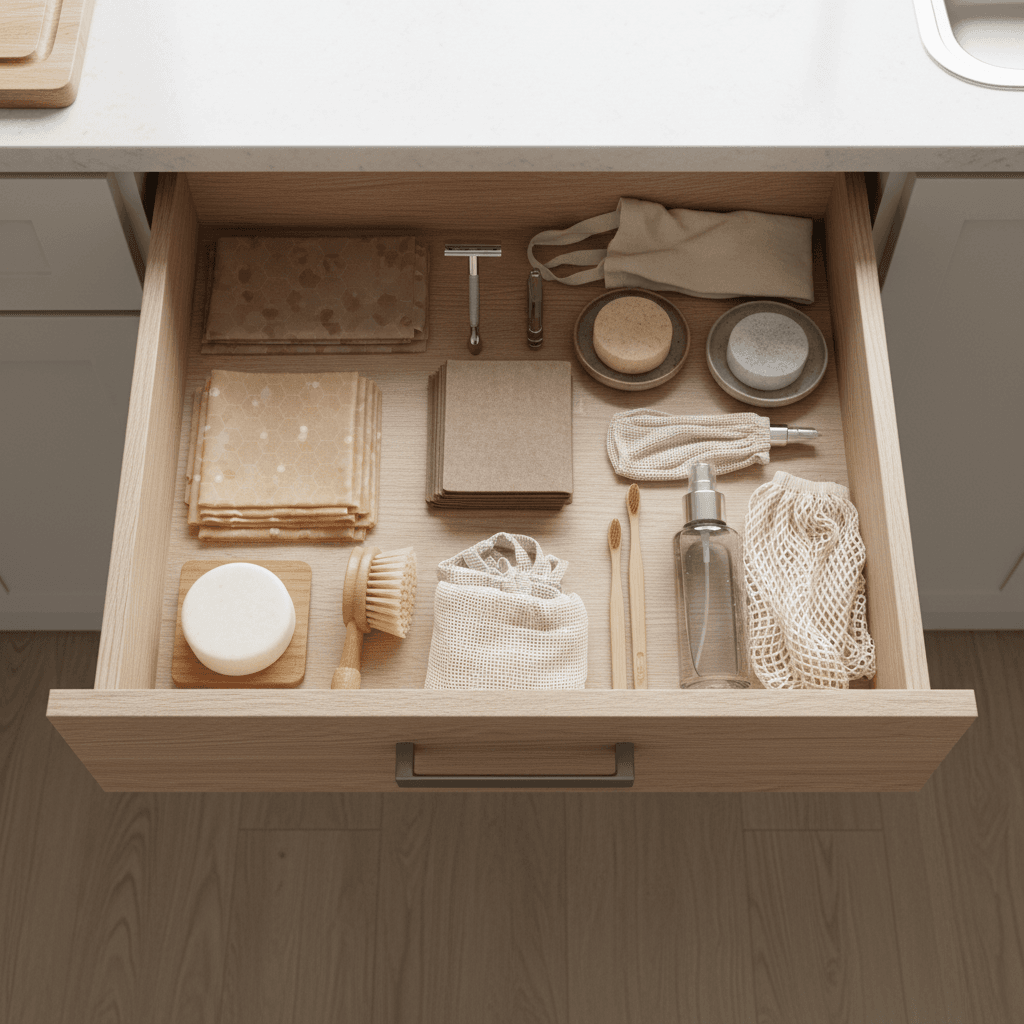
Slide in these picks without fuss. Each one tucks into tight spots where others won’t. Drawer space stays open, no extra bins to buy. They just work inside city homes. Even cramped corners hold them fine.
Fewer bins at the curb each week add up when a couple changes stick. Piles of savings show right alongside reduced waste piling by the door.
Swap 1 Bamboo Cutting Board $12 to $18
Those plastic cutting boards feel light at first glance, but split easily once knives dig in. After a few slashes, tiny cracks become hidden pockets where germs thrive quietly beneath the surface.
Bamboo stands up longer even when washed each day without fuss. Its grain resists slicing damage more than most expect. Replacing flimsy plastic every year adds expense that sneaks up on you.
One solid bamboo piece matches the total price of two worn-out plastic versions combined. Time bends differently around tougher materials shaped by roots instead of factories.
Most shops sell a good bamboo cutting board for around twelve to eighteen dollars. Eight to ten bucks gets you a similar plastic one, yet there’s a problem – plastic tends to get cut deeply after half a year.
These tiny trenches hold bits of old food and germs even if cleaned thoroughly. The tighter grain of bamboo fights off knife scars better over time, also it quietly blocks microbes by its nature.
To keep using your bamboo board for ages, clean it by hand with soap plus warm water and dry it upstanding. Every four weeks, wipe on some mineral oil so splits stay away.
It might take a couple of minutes, yet that small step makes it last for ages. Dishwashers are off limits; too much heat bends bamboo out of shape.
Plastic cutting board costs less at first – just eight to ten dollars. Bamboo runs twelve to eighteen bucks, pricier but tougher. Lasts half a year maybe, if lucky, versus three full years or more.
Knives carve deep into plastic quick, leaving scars fast. Sharp edges slide off bamboo like rain on leaves. Toss it right in the dishwasher? Yes for plastic. Not so much for bamboo – it needs hand baths.
Germs hide easily inside scratched-up plastic, building up quietly. Bamboo fights them naturally, thanks to its grain structure. Swap out your plastic one every season, sometimes twice yearly. That bamboo piece stays put without needing change for ages.
Stainless steel food containers ($15 – $25 per set)
Cracks spread through plastic boxes after a few months of microwave heat. Stains stick no matter how hard you scrub, and warping happens fast when temperatures rise. Switching to metal changes that cycle completely.
One meal-prep kit made from stainless steel runs between fifteen and twenty-five dollars. These hold up five years, sometimes ten. Condition stays nearly perfect over time.
Spending adds up fast when families replace plastic bins every year. Cracked lids and split bases mean another trip to the store. Five winters of buying new means fifty bucks gone, maybe more.
A single purchase of a metal set stops those repeat trips cold. Smells stick to cheap tubs; these do not hold onto last night’s garlic bread. Dents beat shattered pieces across the kitchen floor.
When moving from freezer to oven, stainless steel keeps its shape. Instead of staying clear, plastic gets hazy over time, collects small fractures, and picks up odd odors. Looking brand-new? That happens naturally for steel.
Stacking works better when storage stays true to form. Stainless steel holds its structure while plastic twists slowly out of place. Over time, seals stay snug rather than slipping free within half a year.
A trio of sizes – small, medium, big – is where it begins. One fits scraps, another holds meals, the third tackles bulk prep. Fewer odds and ends pile up when each has a clear role.
Cloth Napkins Replace Paper Ones ($8 – $15 Pack)
A single paper sheet seems cheap, yet numbers add up fast. Three people wipe their hands about a thousand times each year, spending between twenty-five and forty dollars just on disposables.
Washable fabric napkins come in sets of six, priced eight to fifteen bucks. They survive two or even three full cycles around the sun if cleaned often.
One thousand napkins mean roughly eight to ten pounds of paper trashed each year. When families choose fabric instead, garbage bins stay lighter. Cloth sits better on dinner spreads too. Millions doing the same wipes out tons of landfill junk.
Freshen up used napkins just like anything else in your laundry pile. Drop them into the machine alongside usual clothes – no separate steps involved. Cotton ones usually survive standard spins without issues.
Let them hang outside to dry when possible. A dryer works if set to gentle warmth. Press with an iron only if neat folds matter that day.
Paper napkins add up fast. Each wipe runs about two to four cents. Three folks at home means twenty five to forty dollars each year. A set of six cloth ones takes eight to fifteen bucks upfront.
They survive hundreds of uses if treated right. Cost per swipe drops below half a cent quickly. Washing eats four to seven dollars yearly. Machines do most of the work after day one.
Old rags outlast trends and price hikes. New rolls must be bought again and again. Numbers tilt further with every spin cycle. Long run favors fabric without question.
Beeswax Food Wrap ($10 – $16)
One-time use defines plastic wrap, running $4 to $6 per roll. Yearly, that stacks up to between fifty and seventy bucks spent on instant waste. Wraps made from beeswax come in threes for ten to sixteen dollars.
These are built to hold on for half a year, sometimes longer. Replacement only comes when they’ve worn out, not right after unwrapping your sandwich.
How long they last ties directly to your routine. Cool water works best when cleaning, paired with a soft soap. afterward lay flat or hang to dry. Hot water and dishwashers are out of the question as they melt the wax.
The toll on nature shows clearly. Each year in the U.S., 24 million pounds of plastic wrap get used – almost nothing gets recycled. It piles up in dumps for hundreds of years.
When their time comes, beeswax wraps return to earth – they decay naturally and enrich soil. Since every part comes from nature (beeswax, jojoba oil, tree sap), breakdown happens without harm.
Start by warming the wrap gently between your hands before shaping it. Heat from skin softens it, letting it cling better. Raw meat is off limits due to bacteria risks.
Hot dishes can ruin the material, since wax melts. Covering bowls works well, as does wrapping cheese or veggies. Lunches hold together nicely when packed in these wraps.
Switching to beeswax wraps means a one-time cost of about ten to sixteen dollars over twelve months. You avoid tossing out endless sheets that pile up in landfills.
Fifty to seventy bucks vanish yearly if you stick with disposables. Savings show up by spring. The two-month mark is all it takes before those reusable cloths cover their own price.
Bamboo Utensils Set Swap
Bamboo eating tools in your backpack stop plastic cutlery grabs at lunch counters and office kitchens. Priced between five and twelve bucks, they pack a fork, spoon, and blade inside a small sleeve.
Every year, folks in America toss out around 40 billion plastic utensils. These tiny tools rarely make it into recycling bins. Instead, they crumble into microplastics that slip into rivers and seas.
A single sturdy kit used again and again wipes out piles of throwaways before they even form. Just a quick rinse after using them keeps things clean.
These pieces hold up well during everyday meals. Heat stays put when stirring something warm, since bamboo doesn’t conduct heat like metal. Travelers can also carry them onto planes without security issues.
Bamboo cutlery travels well, slips into bags, and fits under desks. One kit stays at the office, a second rides along each day. A snug sleeve holds every piece, dust-free and ready.
Spending just five to twelve bucks once means carrying your own cutlery every day. Skipping throwaways each weekday adds up – about 260 plastic utensils stay out of landfills after a year.
Actual Savings Summary
Real figures beat empty promises. A bamboo cutting board costs fifteen dollars upfront. Instead of buying yearly plastic ones ($20/year), you gain back five dollars by the first year.
Steel containers cost twenty dollars. They replace yearly plastic buys worth fifteen. Payback arrives sixteen months in. Cloth napkins ($12) replace thirty dollars worth of paper per year, paying for themselves in under six months.
Beeswax wraps ($13) replace sixty-dollar-a-year habits, saving forty-seven dollars in the first year. Bamboo utensils ($8) toss disposables costing fifteen annually. Savings land between $350 and $420 over three years.
Stopping the habit of purchasing disposables is where the true benefit begins. After switching, those expenses simply fade away. little by little, the amount saved grows into real cash in your pocket.
Starting Without Planning Ahead
Mistakes happen every time someone tries these trades. Swapping items only when they are empty cuts waste and costs. Refilling a bottle is better than tossing containers too soon.
Wasting working stuff just to get greener versions misses the point. It costs more. What makes real sense? Keeping things going till they truly wear out.
When something stops working, that’s the time to swap it. Wait until the last bit of plastic wrap is gone before picking up wax versions. Simple shifts fit life better.
Mistake 2: The Dishwasher Trap
A single trip through the dishwasher might destroy what was meant to endure. Heat and dampness bend bamboo surfaces and split wood tools. Wipe them by hand instead – it takes only thirty extra seconds.
Mistake 3: Aiming for Perfection
Falling short feels rough when you aim too high. Sometimes you reach for a paper napkin even though the cotton ones are right there. Progress isn’t measured by perfection.
Reusing things most of the time beats never doing it at all. When slip-ups happen, shrug them off. Small steps hold stronger than big leaps forced overnight.
Mistake 4: Buying Ultra-Cheap
Ultra-cheap bamboo boards start splitting fast. Bargain-bin steel containers rarely form a proper seal. Replacing these flimsy things adds up – costing more than choosing solid gear from the start.
A step up from the cheapest option usually pays off. Paying seven dollars more might get you triple the life span, which actually saves money down the road.
Where to Shop
Finding basics without overspending? Try warehouse spots like Costco or Sam’s Club for bamboo boards and steel containers. ALDI often has limited-time offers on green kitchen gear.
Neighbor green stores carry handcrafted beeswax wraps made by locals. Garage sales and Buy Nothing groups are goldmines for utensils, pots, and linen towels – often for free or just a few dollars.
Discounts stack high right after holidays. Cloth napkins drop in price in January. Purchasing bundles often cuts costs by about 15 to 25 percent compared to single buys.
Frequently Asked Questions
Does a zero waste kitchen cost less?
Yes, after the initial swap. Expect to save $150 to $300 each year once you stop buying paper towels and plastic bags. Payback usually takes three to eight months.
What is the lifespan of these items?
Bamboo boards last 3-5 years, steel containers up to a decade, and cloth napkins 2+ years. Beeswax wraps need replacement after about 6-12 months.
Is it possible to live with less trash on a tight budget?
Start with one thing – like cloth rags or bamboo utensils. Bring in new pieces slowly as your budget allows. Used goods work perfectly fine too.
Summary
Starting small keeps things moving without pressure. One swap at a time fits into real life better. Jot down how much you save each week as proof of your progress. It keeps you on track!
What is the best eco-friendly swap for kitchen sponges?
Switch to compostable cellulose sponges or wooden dish brushes with natural sisal bristles. They clean effectively and break down entirely in compost.
Are silicone baking mats zero-waste?
Yes, a reusable silicone baking mat completely replaces hundreds of sheets of single-use aluminum foil and parchment paper, saving you money instantly.
How do I buy dry goods without plastic packaging?
Bring your own reusable glass jars or cloth bags to the bulk section of your grocery store to buy rice, beans, and spices entirely package-free.