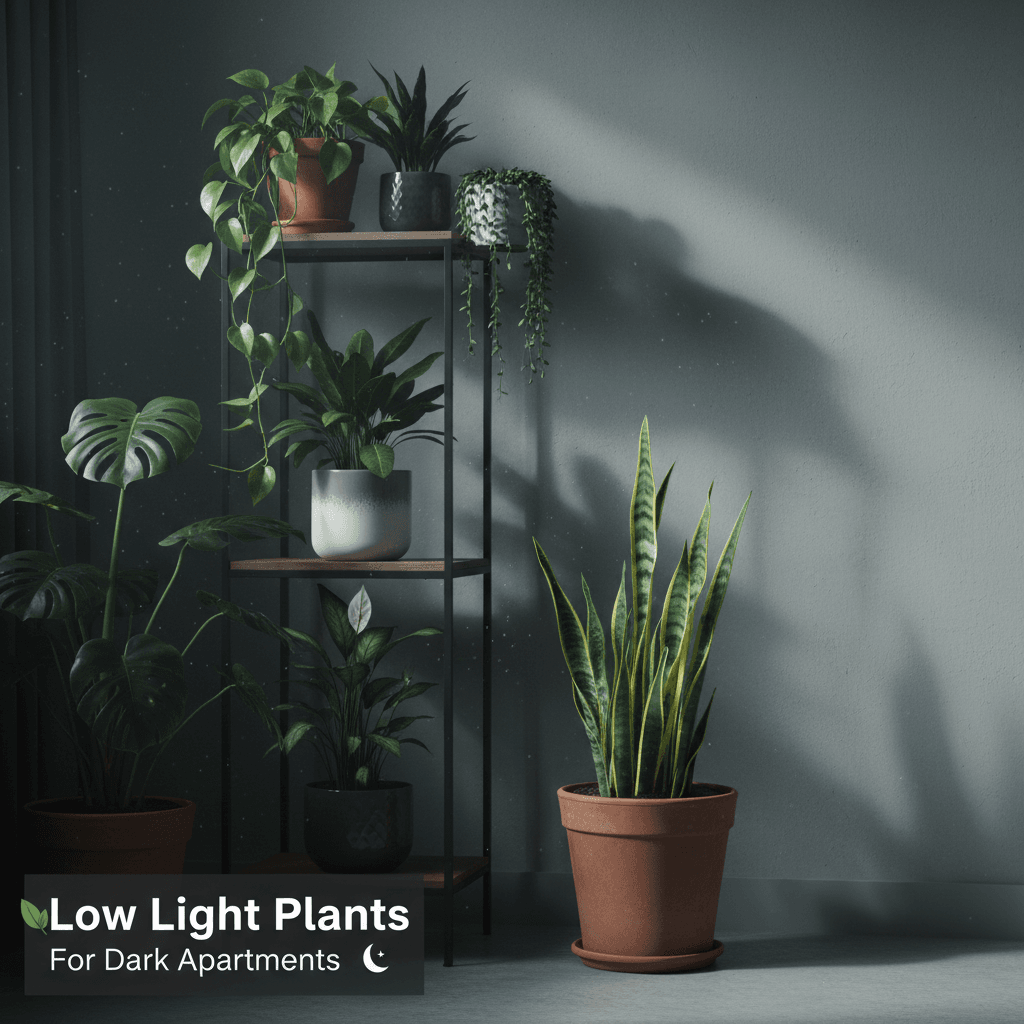
You bought a “low light” plant. The label promised it was unkillable. Two weeks later, it has a yellow leaf, is leaning to the left, and the soil smells like a damp basement.
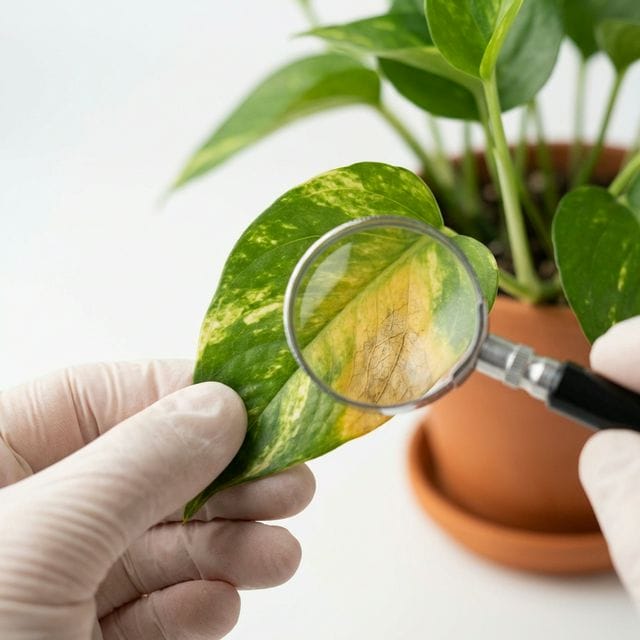
Panic hits. Did you kill it? Is it sick? Should you toss it?
Pause. Plants communicate through symptoms. A yellow leaf is often a message about water. Long, stretched stems are a request for more light. In a small apartment with less‑than‑ideal conditions, these signals are normal. Here is how to decode them and adjust before the whole plant collapses.
Symptom 1: The Yellow Leaf (Chlorosis)
The panic: “It’s dying!”
The reality: Most of the time, it’s a water imbalance — usually too much.
- Likely cause: In low light, your plant uses water slowly. If you water “every Sunday” instead of checking the soil, roots can sit in soggy mix and lose access to oxygen, which leads to yellowing leaves.
- The fix:
- Texture test:
One or two yellow leaves are often just older foliage shedding; watch for patterns (many leaves at once) rather than panicking over a single leaf.
Symptom 2: Leggy Growth (Etiolation)
The panic: “What is this weird vine?”
The reality: Your plant is stretching because it isn’t getting enough light.
- Likely cause: In low light, plants cannot build sturdy stems. They respond by elongating fast, leaving big gaps between leaves (long internodes) and producing pale, floppy growth — classic etiolation.
- The fix:
- Move it: Closer to the brightest window you have, or from a corner onto the actual sill. Even a 30 cm shift can noticeably increase light intensity.
- Prune it: Leggy stems won’t “thicken up.” Cut back stretched growth to just above a healthy node and use cuttings to propagate new plants. New growth in better light will be more compact.
- Rotate it: Turn the pot 90° every time you water so it does not permanently lean toward one side — but remember, rotation doesn’t fix a truly dark spot; you still need more light.
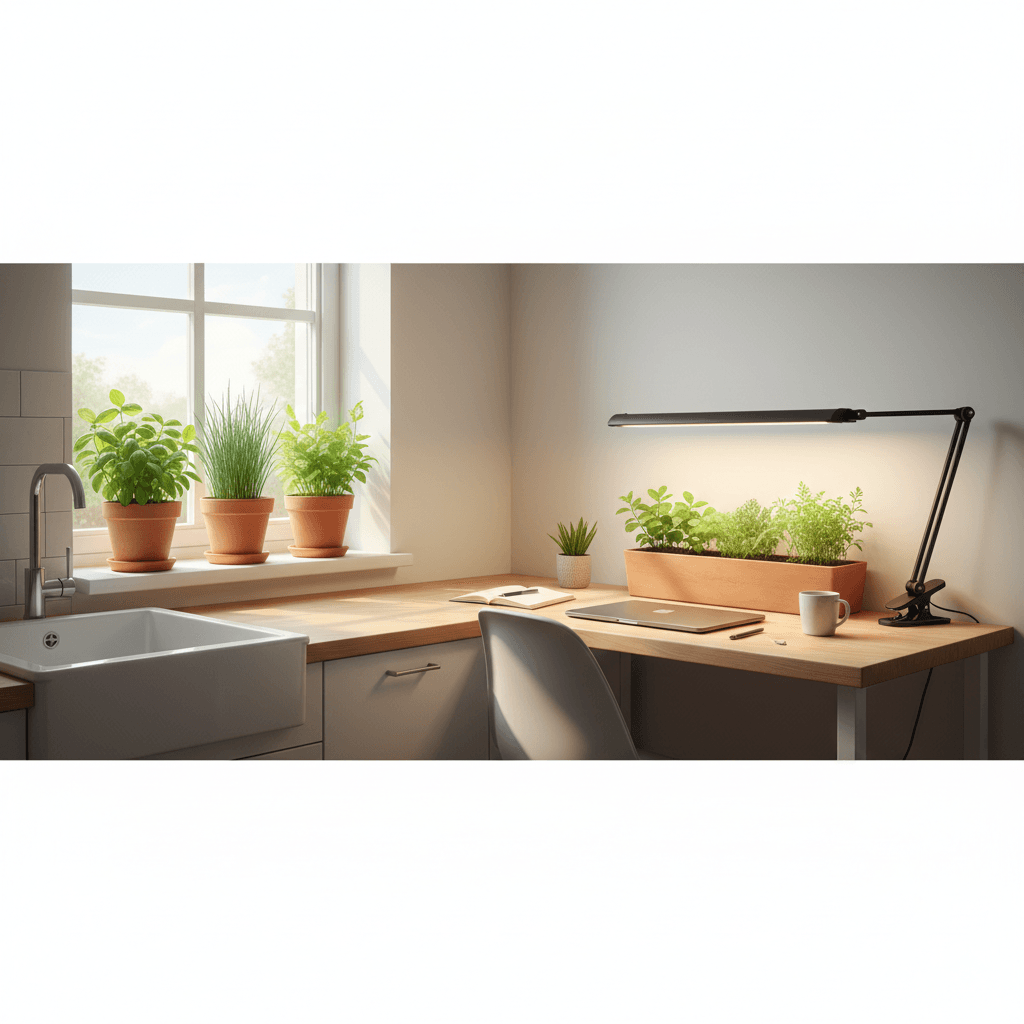
If you constantly battle legginess in a basement or north‑facing unit, that’s your cue to add a small grow light instead of buying more “low light” plants for the same dark corner.
Symptom 3: Moldy Soil (White Fuzz on Top)
The panic: “Fungus! Disease!”
The reality: Usually harmless saprophytic fungi — but a sign your conditions are too damp and stagnant.
- Likely cause: Low light + constantly moist soil + poor airflow. The fungus is feeding on decaying organic matter in the potting mix, not attacking your plant directly.
- The fix:
- Scrape it off: Use a spoon to remove the top 1 cm of moldy soil and discard it.
- Let it dry: Allow the surface to dry out before you water again; don’t top up “a little every day.”
- The cinnamon hack: Lightly dust the exposed surface with ground cinnamon. It has mild antifungal properties and is widely used by houseplant keepers as a simple mold treatment.
- Airflow: Crack a window when weather allows or use a small fan on low near your plant shelf. Stagnant air keeps surfaces wet and encourages mold.
If mold returns quickly, consider repotting into a fresh, well‑draining mix and checking that your pot isn’t oversized, which can keep too much soil wet around a small root ball.
Symptom 4: Brown Tips
The panic: “The leaves are burning!”
The reality: In most apartments, this is about dry air or water quality, not sunburn.
- Likely cause: Central heating, AC and sealed windows pull moisture out of the air. Thin‑leafed tropicals like calatheas and ferns often respond with brown, crispy tips and edges as they try to reduce water loss. Tap water with a lot of salts, chlorine or fluoride can exaggerate tip burn in sensitive species.
- The fix:
- Humidity: Place the pot on a tray filled with pebbles and water (water level below the top of the stones) so evaporation raises humidity right around the plant.
- Grouping: Cluster several plants together to create a small “humid zone,” which is more effective than misting every few hours.
- Water quality: If you suspect your tap water, try leaving it out overnight, switching to filtered water or using collected rainwater for your fussiest plants.
Brown tips don’t reverse, but stable, healthy new leaves mean you’ve solved the underlying issue.
Cheat Sheet: What Is Your Plant Saying?
Quick reference for common apartment plant symptoms:
Always confirm by checking soil moisture and light levels before acting; guessing and “fixing” the wrong thing can make the problem worse.
Conclusion
Real plants rarely have perfect leaves. Outdoors, they get chewed, battered and sun‑stressed; indoors, they show their stress in yellow leaves, stretch marks and fuzzy soil. Instead of treating every flaw as failure, treat it as feedback: a data point about water, light or airflow that you can tweak.
If leggy growth is your main problem, your apartment is telling you it needs extra photons, not more “hardy” plants. Make your next stop our guide on How to Place Grow Lights in a Small Apartment Without Drilling to give your low‑light collection a fair chance.
Why are my low-light houseplant leaves turning yellow?
Yellow leaves in low light are almost always caused by overwatering. Without strong sunlight, the plant takes much longer to dry out.
How do I fix leggy plant growth?
Leggy stems mean the plant is stretching desperate for light. You must move it closer to a window or add a cheap full-spectrum LED grow light.
How do I get rid of white mold on potting soil?
Scrape the top layer of moldy soil off, sprinkle a light layer of cinnamon (a natural fungicide), and dramatically reduce your watering frequency.