It starts with a single tiny black fly hovering near your sink. Two days later, there are dozens. Then you notice a sticky residue on your basil leaves, and your kale plants are suddenly covered in strange, tiny green dots.
You worked hard to grow your own food because you wanted it to be organic and pesticide-free. The last thing you want to do is spray toxic chemical insecticides inside your small apartment, especially on leaves you plan to eat for dinner.
Managing pests on indoor edible plants requires a different approach than outdoor gardening. In the enclosed environment of a studio or apartment, pests have no natural predators (like ladybugs or lacewings), and their populations can explode overnight.
This guide teaches you the safest, most effective ways to eliminate common indoor invaders using simple, food-safe ingredients you already have in your pantry.
Identifying Your Apartment Invaders
Before you can start managing pests on indoor edible plants, you must know your enemy. Each pest requires a specific strategy.
1. Fungus Gnats (The “Kitchen Sink” Flies)
The most common apartment pest. They look like tiny mosquitoes and hover around the soil. The adults are annoying, but their larvae live in the soil and eat your plant’s roots. They thrive in over-watered, damp soil.
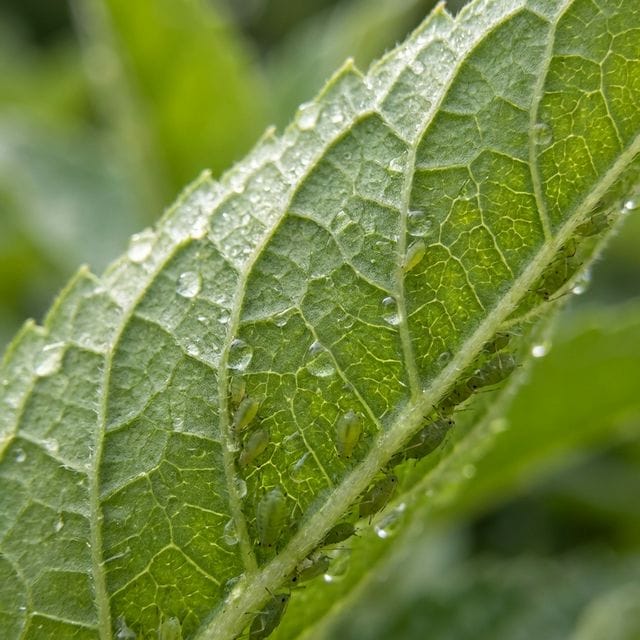
2. Aphids (The “Green Dots”)
Small, soft-bodied insects that cluster on new growth and the undersides of leaves. They suck the sap out of your plants, causing leaves to curl and turn yellow. They also leave behind a sticky “honeydew” that attracts mold.
3. Spider Mites (The “Invisible” Webs)
If your leaves look dusty and then turn mottled and brown, you likely have spider mites. They are almost invisible to the naked eye. You might see tiny, delicate webs stretched between stems. They love hot, dry apartment air.
The “Big Three” Safe Treatments
Forget chemical sprays. Use these three highly effective methods for managing pests on indoor edible plants naturally.
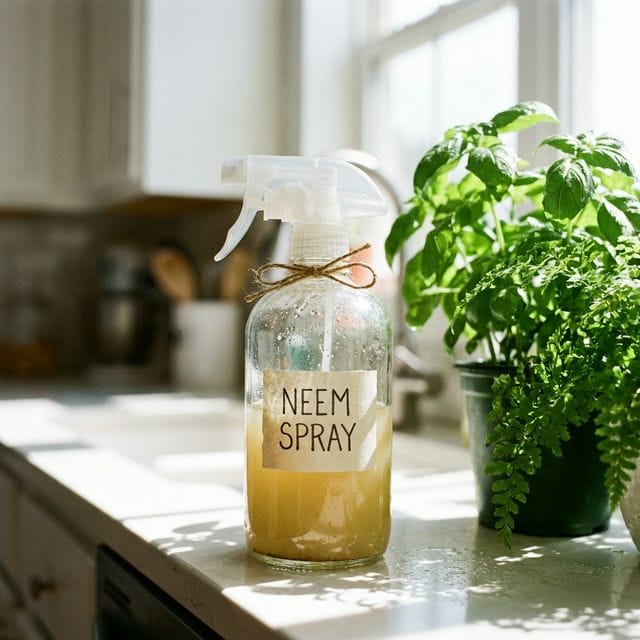
1. The Neem Oil Spray (Prevention & Eradication)
Neem oil is a natural oil pressed from the seeds of the Neem tree. It is non-toxic to humans and pets but disrupts the hormones and feeding cycles of insects.
- The Recipe: Mix 1 teaspoon of pure cold-pressed Neem oil and 1/2 teaspoon of mild dish soap into a quart of warm water.
- The Use: Shake well and spray every square inch of the plant, especially the undersides of the leaves. Apply once a week until the pests are gone.
2. Rubbing Alcohol (The Targeted Strike)
For aphids and scale, simple isopropyl (rubbing) alcohol is a lifesaver. It penetrates the insect’s shell and kills them instantly.
- The Use: Dip a cotton swab (Q-tip) in rubbing alcohol and dab it directly onto individual pests. For larger infestations, mix 70% alcohol and water in a 1:1 ratio and spray the plant. Test one leaf first to ensure your plant isn’t too sensitive.
3. Sticky Traps (The Air Defense)
For fungus gnats and whiteflies, bright yellow sticky traps are essential. The color attracts the adults, who fly in and get stuck, preventing them from laying more eggs in the soil. They are completely pesticide-free and highly effective for monitoring pest levels.
Cultural Controls: Making Your Apartment Repellent
The best way of managing pests on indoor edible plants is preventing them from ever wanting to live in your apartment.
- Bottom Watering: Stop pouring water on top of your soil. Fungus gnats need damp top-soil to lay eggs. By watering from the bottom, you keep the surface dry and inhospitable.
- Sand or Perlite Mulch: Cover the top of your soil with a half-inch layer of decorative sand or perlite. This creates a sharp, dry barrier that prevents gnats from reaching the soil.
- Increase Airflow: Pests thrive in stagnant air. Use a small oscillating fan. Not only does it strengthen your plants, but it also makes it physically difficult for flying pests like gnats and whiteflies to land and lay eggs.
- The Quarantine Rule: Never place a new plant from a store directly into your indoor garden. Keep it in a separate room for two weeks to watch for signs of emerging pests.
Why You Should Avoid “Old Wives’ Tale” Remedies
Be careful with DIY advice for managing pests on indoor edible plants.
- Garlic/Chili Sprays: While they repel some pests, they can make your apartment smell terrible for days and can actually irritate your eyes and throat in a small space.
- Milk Sprays: Often touted for mildew, milk can sour quickly in a warm apartment, creating a foul odor and attracting more flies. Stick to Neem oil or horticultural soap.
Conclusion
Managing pests on indoor edible plants is an ongoing part of being an urban farmer. Don’t view a few bugs as a failure; view them as an opportunity to refine your environment.
By staying vigilant, keeping your soil dry on top, and having a bottle of Neem spray ready, you can enjoy a massive, healthy harvest without ever introducing a single drop of toxic chemicals into your home.
If you are just starting your garden, ensure you choose best dwarf vegetable varieties which are often naturally more resistant to indoor pests, and read our guide on growing food in a windowless apartment to master environmental control.
Is Neem oil safe for my cat or dog?
Yes, Neem oil is generally considered pet-safe in the concentrations used for plant sprays. However, don’t let your pets lick the leaves while the spray is still wet. Always store the bottle out of reach.
Can I use Dawn dish soap to kill bugs?
Yes, but be careful. Many ‘Dawn’ soaps now contain degreasers and harsh chemicals that can strip the protective wax from your plant’s leaves. Use a ‘Castile’ soap (like Dr. Bronner’s) for the safest result.
Why do fungus gnats keep coming back?
Because their larvae are still in the soil. You must treat both the adults (with sticky traps) and the larvae (by letting the soil dry out completely or using ‘Mosquito Bits’ containing BTI bacteria) to break the cycle.