
Installing heat reflective thermal liners for existing apartment blinds is the most effective “invisible” upgrade you can make to your studio this summer. If you live in a modern building with standard white plastic horizontal blinds or vertical slats, you’ve likely noticed that they do almost nothing to stop the heat. They might block the glare, but the plastic itself absorbs the summer sun and radiates that heat directly into your living space, turning your home into a slow-cooker.
A thermal liner is a thin, metallic or high-density fabric layer that attaches to the window-side of your existing window treatments. It reflects infrared and UV rays back through the glass before they can ever heat up your room. For a renter in a 350-sq-ft studio, this can drop your ambient temperature by as much as 10 to 15 degrees, significantly reducing your electricity bill and the “AC hum” that ruins your focus.
My Experience with the “Glass Hotbox”
In my fourth apartment, I had west-facing windows. From 2 PM to 7 PM, the sun was brutal. I had standard building-issued vertical blinds, but they would get so hot to the touch that I could feel the heat radiating from them across the room. My AC was set to 68, but the thermostat never dropped below 76.
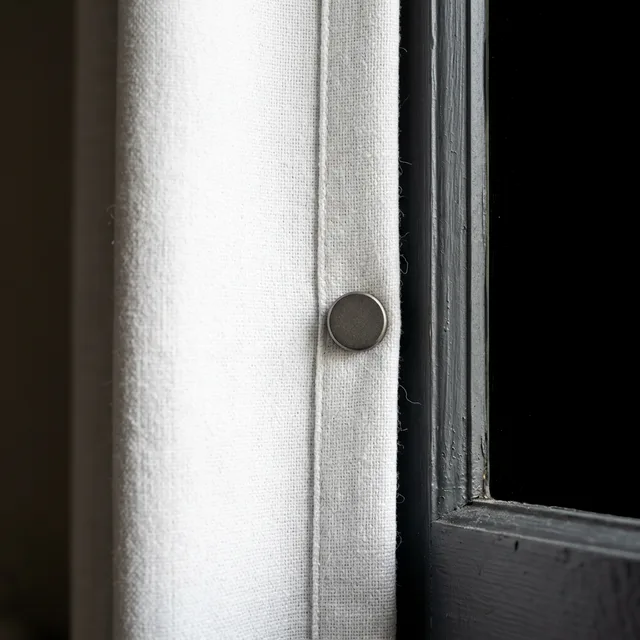
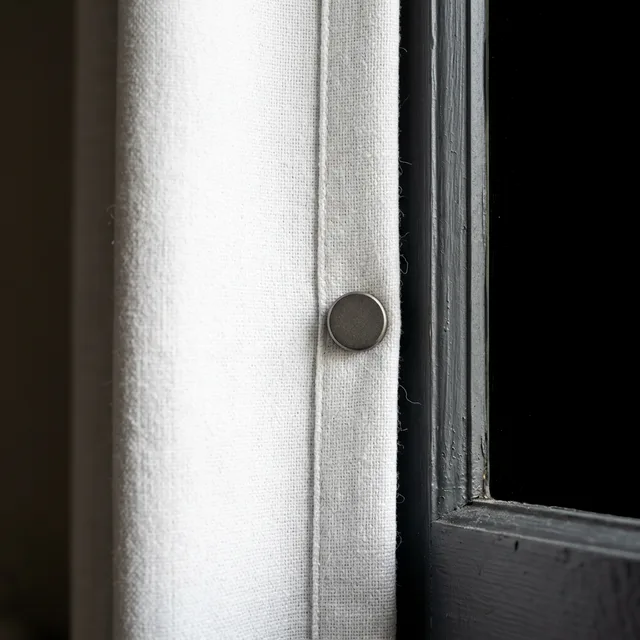
I didn’t want to replace the blinds (I had nowhere to store the old ones), so I bought a roll of “Radiant Barrier” film and some low-profile magnetic clips. I spent an afternoon cutting the film and attaching it to the back of the top rail of my blinds.
The result was immediate. The “heat wall” that usually greeted me in the afternoon was gone. My AC actually started cycling off because the room stayed cool. The best part? From the inside, my apartment looked exactly the same—a clean, white aesthetic—but the “hidden” silver lining was doing all the heavy lifting. When I moved out, I just pulled the magnets off and rolled up the liner. No holes, no “damage” charges.
The 3 Rules of Reflective Liners
To ensure you are actually cooling the room and not just creating a “shiny window,” follow these rules:
- Reflective Side Out: It sounds obvious, but the shiny, metallic (silver) side must face the window. This side reflects the energy. The white or fabric side faces your room.
- The “Air Gap” Strategy: Do not press the liner flush against the glass. Leave a 1/2-inch to 1-inch gap between the window pane and the liner. This allows a small amount of convection to occur, preventing heat from getting trapped against the glass, which can (in rare cases) cause thermal stress and crack old window panes.
- Full Coverage: Heat is like water—it will find any hole. If you only cover 80% of the window, the stray rays leaking through the edges will still heat the room. Ensure the liner overlaps the edges of the window frame by at least an inch.
5 Renter-Friendly Thermal Liner Hacks
Here are the best ways to add thermal protection without replacing your landlord’s blinds.
1. Magnetic “Add-On” Liners (The Professional Choice)
Companies like Blackout EZ sell liners specifically designed to “pop” on and off. * How it Works: You stick small adhesive magnetic strips to the window frame (which peel off easily later) and the liner simply snaps into place. * Benefit: You can easily remove them on rainy or cloudy days when you actually want the light.
2. The “Binder Clip” Drapery Hack
If you have standard horizontal blinds, you can hang a thermal liner behind them using simple office supplies. * DIY: Buy a roll of “Reflictix” or a pre-cut thermal curtain liner. Use small black binder clips to attach the top of the liner to the headrail of your existing blinds. * Why it Wins: It’s virtually free (apart from the liner cost) and takes 5 minutes to install.
3. Static Cling “Mirror” Film (Best Visibility)
If you hate the idea of a physical fabric liner, use a reflective “One-Way Mirror” film. * How it Works: It uses static electricity to stick to the glass. During the day, it looks like a mirror from the outside but is perfectly transparent from the inside. * Cooling: It blocks up to 78% of solar heat.
4. Hook-and-Loop (Velcro) Slats
For vertical blinds ($), you can buy individual reflective strips that Velcro to the back of each slat. * Design: This allows you to still “tilt” your blinds to control light while maintaining 100% heat reflection. * Utility: Perfect for large sliding glass balcony doors.
5. The “Tension Rod” Hidden Layer
If your window has a deep enough frame, place a thermal liner on its own tension rod behind the building’s blinds. * Benefit: This creates the best “thermal break.” The hot air gets trapped between the liner and the glass, while your beautiful aesthetic blinds stay cool inside the room.
Comparing Thermal Solutions
| Method | Heat Reduction | Light Blockage | Ease of Removal | Best For |
|---|---|---|---|---|
| Magnetic Liner | Extreme (15°+) | 100% | Extreme | Sleeping Area |
| Reflective Film | High (8-10°) | 20% | Moderate | Living Areas |
| Binder Clip DIY | High (10-12°) | 100% | Easy | Standard Blinds |
| Velcro Slats | Moderate (5-7°) | Variable | Easy | Vertical Blinds |
Conclusion
Your apartment’s standard blinds don’t have to be your summer cooling bottleneck. By adding a heat reflective thermal liner—whether it’s a high-tech magnetic system or a simple DIY binder-clip hack—you can reclaim your studio from the afternoon sun. Focus on “Reflect-Out” orientation and ensure full coverage. Stay cool, save money, and master the art of the urban thermal break.
Will reflective liners damage my windows?
In 99% of modern apartments with double-pane (tempered) glass, there is zero risk. However, if you live in a very old building with single-pane, non-tempered glass, traps of extreme heat can cause “thermal shock,” leading to a crack. To prevent this, always ensure there is a small air gap between the glass and the liner, and never use “black” liners on the window-side, as black absorbs heat rather than reflecting it.
Safety Disclaimer
If you use adhesive Velcro or magnetic strips on the window frame, always test a small, hidden spot first to ensure the adhesive won’t strip the paint when removed. If the paint is old or chalky, use a “low-tack” painter’s tape base before applying the industrial adhesive.
