
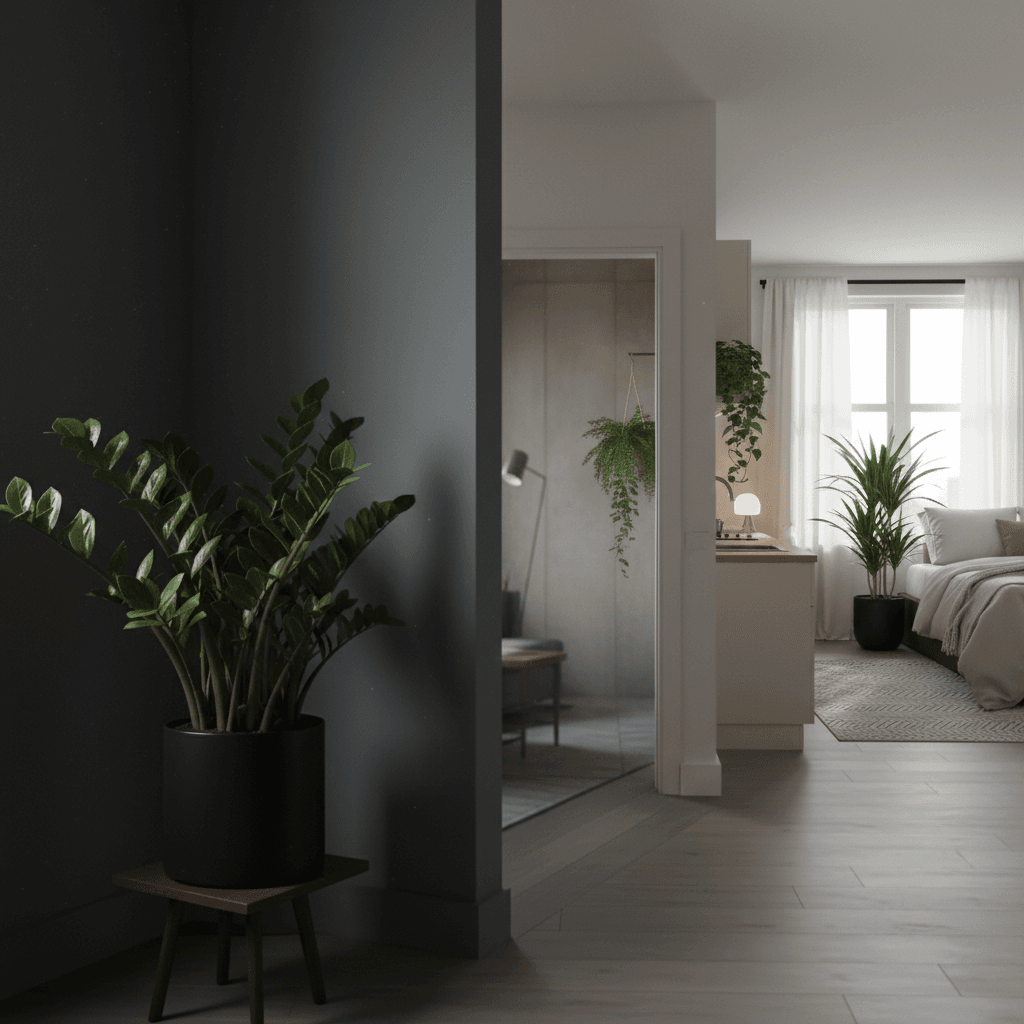
A sudden urge pulls you into a plant shop with no plan. One lush, sculptural plant catches your eye; you take it home, tuck it into a dim hallway—and two weeks later every frond is edged in brown.
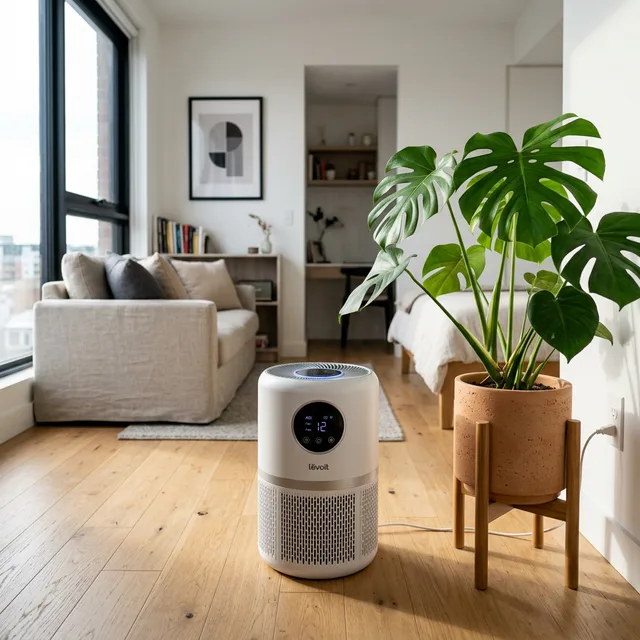
A lush small apartment doesn’t need magic. It needs the right plant in the right spot. Bathrooms behave like steamy mini forests. Bedrooms act as calm, dim hideouts. Kitchens are bright, busy and a bit chaotic.
Instead of buying single plants at random, think in room‑based bundles. Below are five tough, low‑light plants chosen because they actually cope with real rental conditions: weak light, radiators, cabinets and all.
1. Hallway Hero: ZZ Plant
Foggy glass, dusty sills, shadows in corners no one checks — that’s classic hallway territory.
- Why it works: ZZ (Zamioculcas zamiifolia) tolerates low light better than most indoor plants and will survive in areas lit mainly by indirect or artificial light. Its glossy leaves bounce what light there is back into the space.
- Care basics: Let the soil dry out completely, then water thoroughly about once every 3–4 weeks. Less light = less water.
- Best for: “Unkillable” hallway green.
Park it by the door or near the shoe rack, where you’ll forget about it for weeks. It stays patient.
2. Bedroom Oxygen Helper: Snake Plant
Bedroom corners can be cool, quiet and a little dark — perfect snake‑plant territory.
- Why it works: Snake plants grow vertically, sliding into narrow gaps beside the bed or wardrobe. They continue releasing small amounts of oxygen at night and help filter indoor air, which makes them a popular bedroom choice.
- Care basics: Water every 3–4 weeks, only when the mix is dry deep down. Wipe leaves occasionally to remove dust.
- Best for: Low‑effort air‑quality boost in tight spaces.
A slim pot between the wardrobe and nightstand can hold an entire column of snake‑plant leaves without stealing floor area.
3. Bathroom Spa: Boston Fern or Calathea
Bathrooms often stay dim but humid: hot shower, cool air, steam rising and settling again.
- Why it works: Boston ferns and many calatheas love high humidity. In dry living rooms their leaf tips crisp; in a bathroom the steam keeps foliage soft and green with very little extra work.
- Care basics: Keep soil lightly moist but not waterlogged. If you don’t shower there often, mist leaves or use a small humidifier occasionally.
- Best for: Plants that finally stop getting brown edges.
Hang a fern where it catches soft light, or place a calathea on a shelf shielded from direct splashes but close to the steam.
4. Kitchen Cascader: Golden Pothos
Kitchens mix window light, ceiling fixtures, heat and constant movement. Counter space is gold.
- Why it works: Golden pothos (Epipremnum aureum) is famously forgiving. It tolerates low to medium light, fluorescent bulbs and the odd missed watering, and it looks best when trailing from up high.
- Care basics: When the top 2–3 cm of soil feel dry, water well and let excess drain. Trim back long, bare vines to keep it full.
- Best for: Drawing the eye upward and softening hard cabinet lines.
Set a pothos on top of cupboards or the fridge, then train vines along a tension rod or adhesive hooks — no drilling needed.
5. Living Room Statement: Dracaena or Parlor Palm
The living room usually gets the best indirect light and acts as your main focal point.
- Why it works: Dracaenas grow on a slender cane, lifting foliage up to eye level while keeping a narrow base. Parlor palms stay relatively compact but fill space with soft fronds. Both suit bright, indirect light near windows.
- Care basics: Water roughly every 1–2 weeks, depending on pot size and light. Keep them out of harsh midday sun to avoid leaf burn.
- Best for: Floor plants that look intentional, not cluttered.
They work well beside a TV stand, next to a reading chair, or near the balcony door — always where you see them, never where you trip over them.
Combo Pack Cheat Sheet
| Room | Plant choice | Light need | Water frequency | Superpower |
|---|---|---|---|---|
| Hallway | ZZ plant | Very low to indirect | Every 3–4 weeks | Almost indestructible |
| Bedroom | Snake plant | Low, indirect | Every 3–4 weeks | Gentle nighttime oxygen & filtering |
| Bathroom | Boston fern / Calathea | Low light + high humidity | About weekly | Loves steam, no crisp tips |
| Kitchen | Golden pothos | Low to medium, indirect | About weekly | Cascading, space‑saving vine |
| Living room | Dracaena / parlor palm | Medium, indirect | Every 1–2 weeks | Adds height and structure |
Conclusion
Most plants don’t need a glass‑walled conservatory — they just need a room that suits them. Choose one of these hardy types for each space and let the light and humidity decide where they live. A snake plant by the bedroom window will usually be happier than on a blazing kitchen shelf; a pothos will forgive fluorescent cupboards more than a fern ever will.
Once your rooms feel balanced, you can start thinking beyond the windowsill — balcony planters, simple outdoor setups and smart drainage tricks for moving some of that greenery outside when the weather allows.
Which plant combinations survive best in a dark hallway?
A classic low-light combo includes the unkillable ZZ Plant and a trailing Golden Pothos, both of which survive on minimal ambient light.
What are the best plants for a windowless bathroom?
Windowless bathrooms are tough. Use a Snake Plant or Cast Iron Plant, and ideally swap them into a lit room every two weeks to recharge.
Can I put a Monstera in a low-light room?
Monsteras can survive in low light, but they will not produce their iconic split leaves without bright, indirect sunshine.
