
Finding effective waterproof balcony wind protection for renters is the only way to turn an exposed, high-rise slab of concrete into a usable outdoor living room. When you live in a multi-story apartment building, the “wind tunnel effect” is real. Even on a relatively calm spring day, urban updrafts and building-to-building air compression can create 25 mph gusts on your balcony that knock over your plants, blow your morning coffee off the table, and make it physically impossible to relax.
Worse, most modern rental balconies have “open-air” railings made of vertical slats or glass. While they look sleek from the street, they provide zero privacy. You are essentially on display for the entire neighborhood. To fix this, you need a barrier that is aggressively waterproof (to survive driving rain), high-density (to block the wind), and 100% renter-friendly (meaning zero drilling into the building facade). By using high-grade HDPE screens or vertical tension blinds, you can completely neutralize the wind and create a private oasis.
My Experience with Windy Urban Balconies
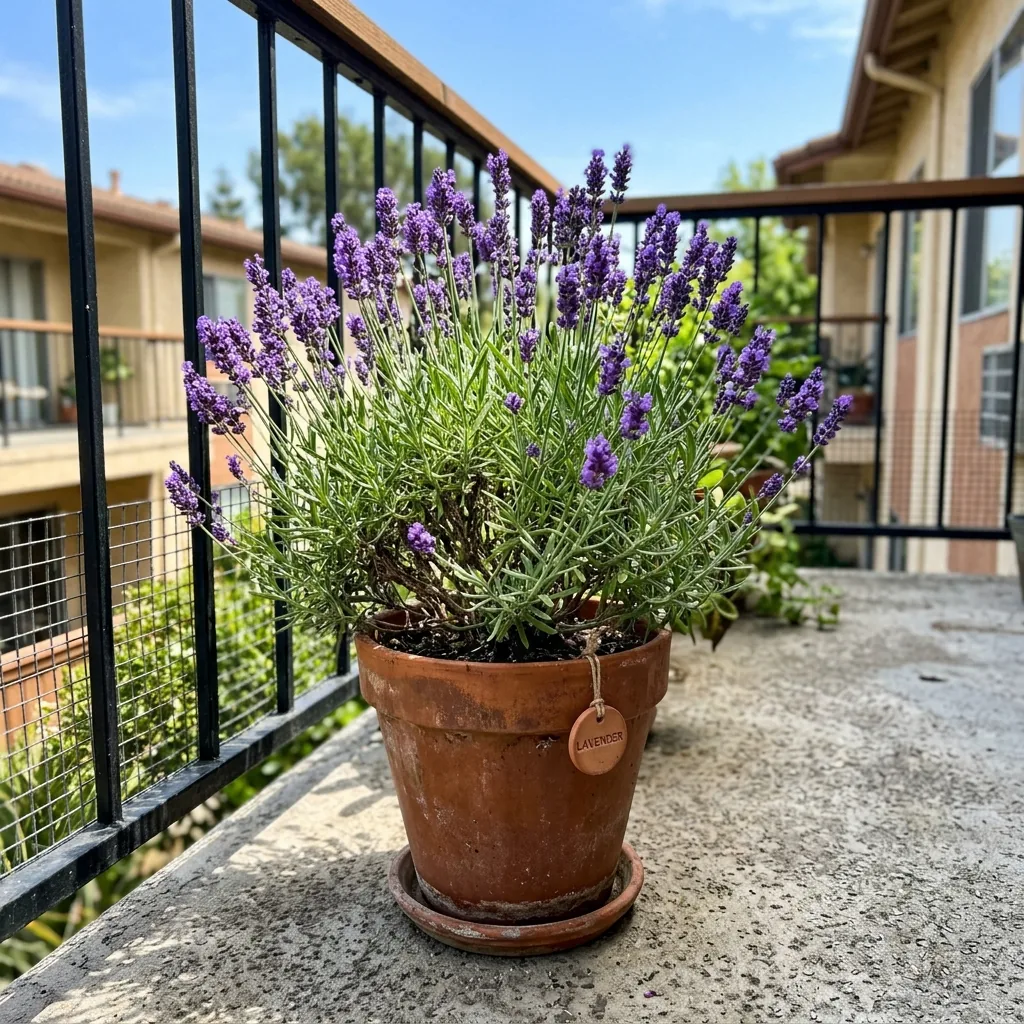
When I moved into my fifth-floor studio, the balcony had a stunning view of the city park. I spent $400 on aesthetic wicker furniture and potted herbs. On the first night, a sudden thunderstorm ripped through the neighborhood. Because the balcony was completely open, the wind-driven rain soaked my furniture through to the foam, and three of my herb pots were pushed sideways through the railing, crashing onto the lower balcony.
I tried the “cheap solution” first. I bought a standard green mesh privacy screen from a hardware store and zip-tied it to the railing. It was a disaster. The material was paper-thin; it didn’t block the wind at all. Instead, it acted like a sail, putting incredible strain on my railing and making a loud, snapping sound every time the wind caught it.
I finally invested in a heavy-duty, 300 GSM (grams per square meter) waterproof privacy screen with reinforced brass grommets. I pulled it tight across the interior of the railing using industrial-strength black zip ties. The results were instantaneous. The howling wind was reduced to a gentle breeze. Better yet, when it rained, the water hit the screen and rolled straight down to the floor, keeping my furniture and my herb garden bone-dry.
The 3 Rules of Renter Wind Screens
Do not buy a generic “privacy mesh.” If your goal is wind protection and waterproofing, you must follow these specs:
- GSM Density: Look for at least 250 to 300 GSM. Standard privacy screens are usually 160 GSM. A higher GSM means the weave is tighter, physically preventing air molecules from passing through while providing a 95% visual blackout.
- Reinforced Grommets: The wind will place hundreds of pounds of pull-pressure on your zip ties. If the screen only has fabric loops, the wind will rip them off in one season. You need brass or stainless steel grommets every 12 to 18 inches.
- PU Coating: To be truly waterproof, the fabric must have a Polyurethane (PU) coating. Standard polyethylene (PE) screens are water-resistant but porous; a PU-coated screen acts like a raincoat for your balcony.
The 5 Best Wind Protection Options
After surviving multiple stormy seasons on high-rise balconies, these five products are the most durable and renter-friendly solutions for urban wind tunnels.
1. DearHouse Waterproof Balcony Shield (Best Overall)
This is the workhorse of the renter gardening community. It is a high-density, PU-coated polyester screen that is completely opaque. * Density: 300 GSM (Industrial grade). * Waterproofing: Rain beads and rolls off immediately. It protects your furniture from lateral rain. * Why it Wins: It comes with extra-long industrial zip ties and a reinforced rope. You can pull it drum-tight against your railing, eliminating the “flapping” noise that drives neighbors crazy.
2. Coolaroo Premium Outdoor Privacy Screen (Best for High Heat)
If your balcony receives 8 hours of direct, baking sunlight, standard plastic screens will become brittle and crack within two years. Coolaroo uses a specialized UV-stabilized fabric. * Technology: The fabric is breathable enough to avoid the “sail effect” (which could bend your railing) while still blocking 90% of the wind’s force. * Durability: It is virtually indestructible and comes with a 15-year warranty against UV degradation.
3. Alion Home High-Density Privacy Screen (Best Aesthetic)
Most wind screens come in “construction-site green” or “utility tan.” Alion Home offers designer-grade charcoal, grey, and stone patterns that match modern luxury apartment aesthetics. * Fit: They offer over 20 different custom-cut sizes, ensuring you don’t have to fold excess fabric over at the corners, which looks messy. * Construction: Double-stitched edges prevent the fabric from fraying in high-wind conditions.
4. IKEA DYNING Privacy Screen (Best Budget Pick)
If you are on a strict budget but need a temporary fix for the summer, the IKEA system is reliable and incredibly cheap. * Design: Minimalist white or black mesh. * Installation: Includes simple cords to tie it to the railing. * Trade-off: It is significantly lower density (around 160 GSM), so while it blocks prying eyes and mild breezes, it will not protect your furniture from a heavy rainstorm.
5. Vertical Tension Rod Roller Shades (Best for Front-View Wind)
If the wind hits your balcony from the front (above the railing), a railing screen will not help. You need a vertical tension system. * How it Works: Two vertical poles wedge between your floor and ceiling. A roller shade sits between them. * Benefit: You can pull the shade down whenever it’s windy and retract it when you want your view back. * Renter Side: Because it uses tension, you do not have to drill a single hole in the building.
Pro-Tips for Wind-Hardening Your Balcony
- The “Drum Tight” Rule: A loose wind screen is a dangerous wind screen. If there is any slack in the fabric, the wind will vibrate it against the metal railing, sanding the paint off the railing and eventually shredding the fabric. Pull the zip ties until the screen is as tight as a drum skin.
- The Zip Tie Over-Engineering: Never use the cheap, thin zip ties that come in the box. Buy a pack of heavy-duty, UV-resistant 50-lb or 75-lb tensile strength zip ties from a hardware store. Use two ties per grommet for insurance.
- Winter Storage: While these screens are waterproof, winter ice and heavy snow can stretch the fabric permanently. If you do not use your balcony in the winter, snip the zip ties in November and store the screen inside to double its lifespan.
Compare Balcony Wind Screens
| Brand / Type | Density (GSM) | Waterproofing | UV Resistance | Installation Weight |
|---|---|---|---|---|
| DearHouse Shield | 300 | High (PU Coated) | High | Moderate |
| Coolaroo Premium | 280 | Moderate (Breathable) | Extreme | High (Heavy) |
| Alion Designer | 250 | High | High | Moderate |
| IKEA DYNING | 160 | Low | Moderate | Very Light |
Conclusion
You do not have to surrender your balcony to the wind and rain. By selecting a high-density, grommeted, and PU-coated screen, you can physically block the urban wind tunnel effect and create a private, dry room for your mornings. Invest in a 300 GSM screen like the DearHouse shield, pull it drum-tight with heavy zip ties, and reclaim your outdoor space from the elements.
Does a balcony wind screen damage the railing?
No, a properly installed wind screen will not damage a metal or glass balcony railing, provided you use the “drum tight” method and rubber-backed ties. The primary risk of damage comes from loose screens that flap and rub against the railing’s finish, acting like sandpaper over months of vibration. To prevent this, ensure your zip ties are UV-resistant and pulled tight enough that the screen does not move. For extra protection on expensive railings, you can place a small strip of clear electrical tape on the metal bar where the zip tie makes contact to prevent any potential scratching.
Safety Disclaimer
Before installing a wind screen, verify your building’s HOA or lease rules regarding “balcony aesthetics.” Many luxury buildings ban anything tied to the railing for uniformity. More importantly, if you live in a hurricane or high-wind advisory zone, always remove the screen during extreme storm alerts. A high-density wind screen creates immense “drag” and can exert enough pressure to physically pull a railing out of its concrete anchors during 60+ mph winds.