In the world of urban gardening, your compass is one of your most important tools. Before you buy a single bag of soil or a trendy ceramic pot, you need to look at where the sun actually hits your building.
In small apartments, the direction your balcony faces isn’t just a detail — it’s the rule that decides what will thrive and what will struggle.
Whether you’re working with a sun‑drenched southern exposure or a cool, shaded northern retreat, every balcony has its own rhythm. Here’s how to design around the light you already have.
The Sun‑Drenched South: High‑Energy Oasis
A south‑facing balcony is a jackpot for sun‑lovers. It receives direct, intense light for much of the day, often 6–8 hours or more, making it feel like a mini Mediterranean escape.
Best Plants for South‑Facing Balconies
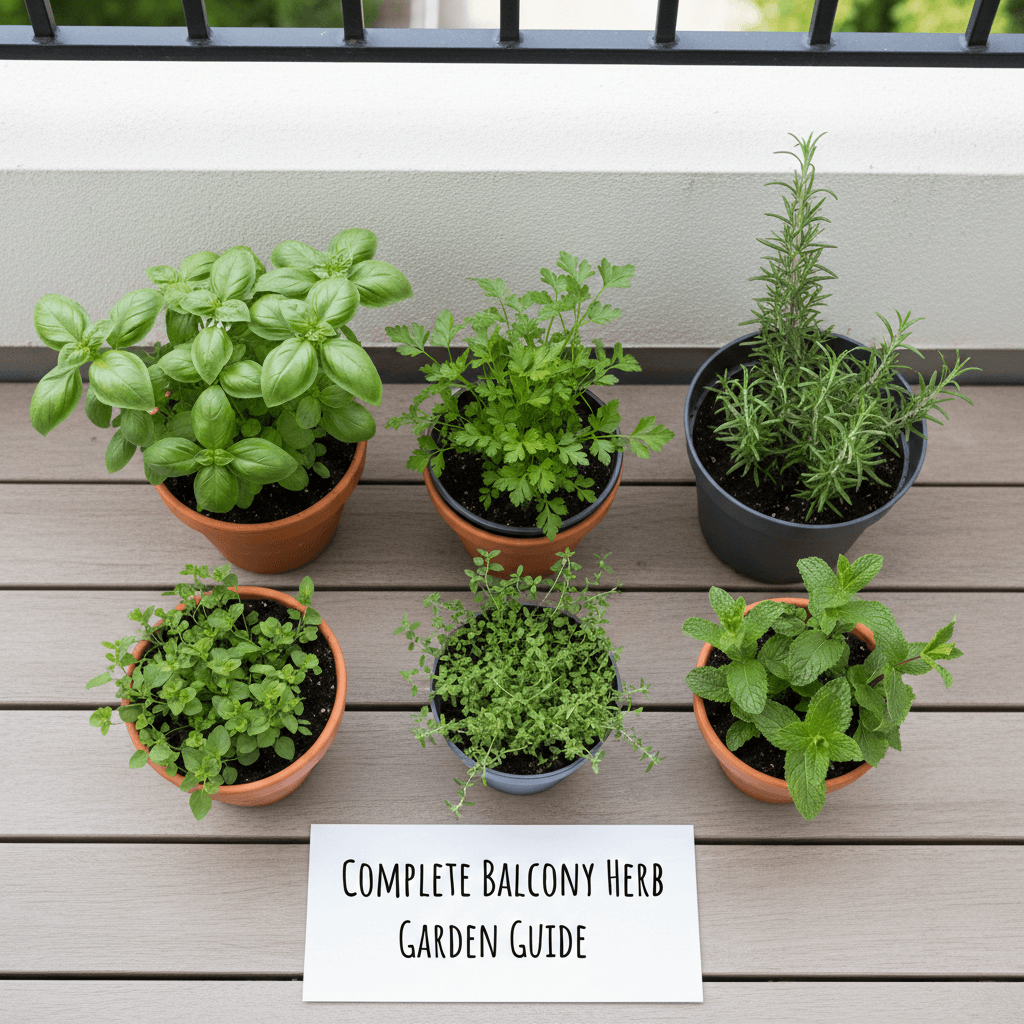
- Balcony herbs: Rosemary, thyme, oregano and sage love heat and slightly “baked” soil; they often taste better in full sun.
- Succulents & cacti: Desert natives like echeveria, sedum and aloe vera soak up harsh rays and tolerate dry conditions.
- Heat‑loving flowers: Geraniums, petunias, lantana and bougainvillea will put on a massive show of color in full sun.
- Vegetables: Cherry tomatoes, peppers, eggplants and bush beans typically need at least 6–8 hours of direct light to produce well.
Layout & Micro‑Tips for South‑Facing Balconies
- “Shadow play” layout
Use tall plants (like a potted olive tree, dwarf citrus or tall tomatoes) on the western edge to create a natural “umbrella” for more sensitive plants during the late‑afternoon scorch. - Protect the hottest spots
Place the most sun‑tolerant plants (succulents, rosemary, thyme) in the brightest, most exposed positions and keep tender greens or shade‑loving herbs where they catch partial shade. - Self‑watering pots and wicking systems
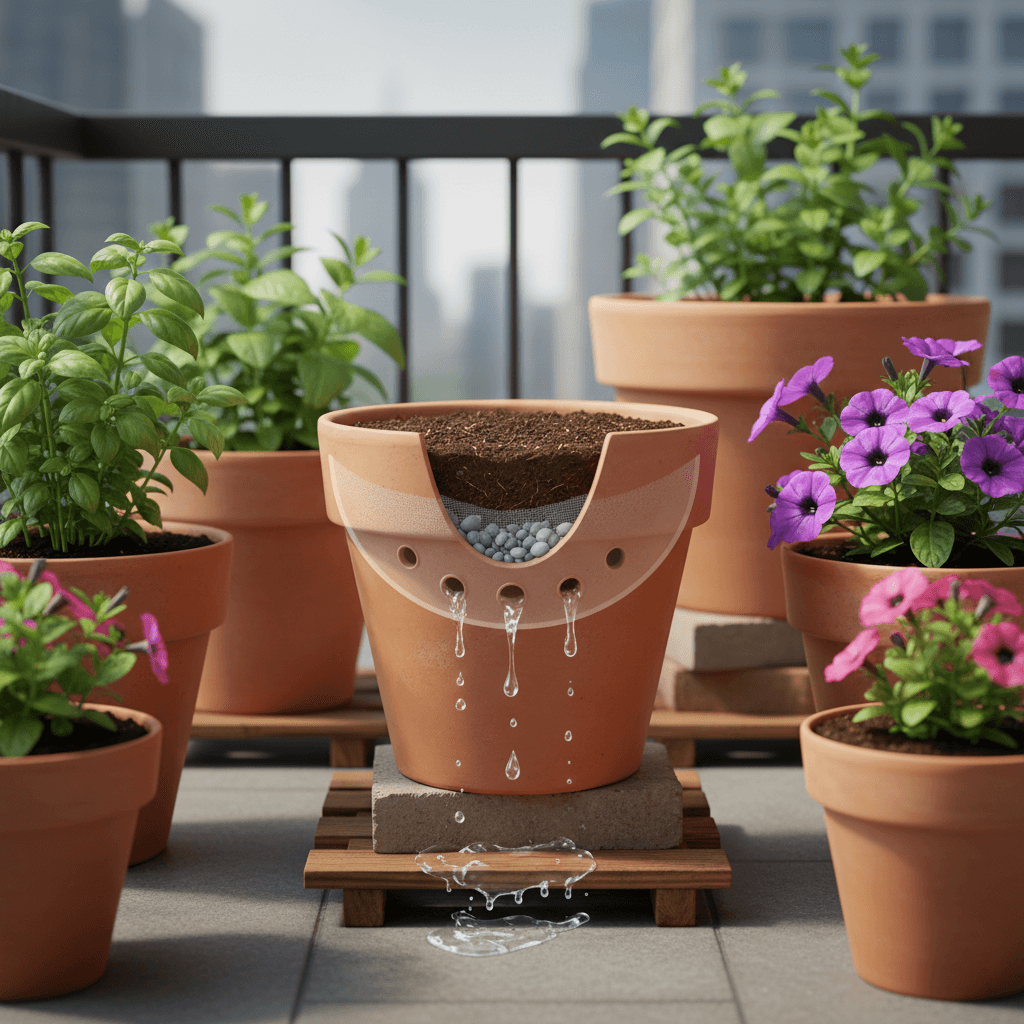
South‑facing balconies dry out incredibly fast. Self‑watering containers, wicking setups or water‑holding potting mixes help roots stay moist without constant hand‑watering. - Light shade instead of full block
Sheer balcony screens, bamboo blinds or a narrow pergola can soften the midday sun without turning your balcony into a dark cave.
The Cool North: Shady Sanctuary
A north‑facing balcony might feel like a challenge, but it’s often a blessing for busy urbanites. It stays cooler, retains moisture longer and creates a calming, glare‑free environment that’s perfect for relaxing or working outside.
Best Plants for North‑Facing Balconies
- Leafy greens: Lettuce, spinach, kale and arugula actually appreciate cooler temperatures and are less likely to bolt in lower light.
- Ferns & hostas in containers: Boston ferns, hostas and other shade perennials mimic a forest floor and make even an industrial balcony feel lush.
- Shade flowers: Fuchsias, begonias and impatiens thrive without direct sun, giving you “jewelry‑like” blooms in soft light.
- The survivalists: Snake plants (Sansevieria) and ZZ plants can live happily outdoors in a shaded northern spot during the warm season.
Layout & Micro‑Tips for North‑Facing Balconies
- The “mirror” strategy
Use white or light‑colored pots, pale gravel and light decking to reflect what little light enters the space. This brightens dark corners and makes the small apartment feel larger. - Vertical climbing for a living wall
Because plants don’t have to hide from harsh sun, you can safely use lattice and climbers like ivy or climbing hydrangea to create a green wall without sunscald risk. - Lean into foliage texture
Mix glossy, matte, variegated and finely cut leaves so the balcony looks intentional and full, even if blooms are modest. - Watch for dampness
Shade means slower evaporation. Ensure good drainage, avoid saucers that stay full and leave air gaps between pots to prevent mold.
South vs North at a Glance
| Feature | South‑Facing Balcony | North‑Facing Balcony |
|---|---|---|
| Light level | High / direct, 6–8+ hours | Low / indirect, bright shade |
| Watering needs | Often daily in warm weather | About every 2–3 days (depends on container) |
| Key advantage | High‑yield veggies and sun herbs | Lush, forest‑like retreat, easier upkeep |
| Main challenge | Heat stress and fast drying | Dampness, slower growth |
Use a Balcony Plant Calculator to Plan Each Exposure
Light direction is only half the story — you also have to keep an eye on how many pots your balcony can safely handle in a small space.
A Balcony Plant Calculator helps you:
- Enter balcony width and depth
- Choose pot materials and planting density
- Compare layouts for a south‑facing “sun deck” vs a north‑facing “shade jungle”
- See estimated plant slots and total weight before you buy more containers
Instead of guessing, plug your balcony into the 3D Balcony Plant Calculator and test different layouts for both sun‑heavy and shade‑heavy setups.
Urban Micro‑Tip: The Morning Coffee Test
Not sure which category your balcony belongs to?
- Step outside around 10:00 AM with a coffee.
- If you squint or reach for sunglasses to see your railing, you’re effectively in south‑facing territory.
- If the floor feels cool to the touch and the light is soft with mostly indirect brightness, you’re working with a north‑facing balcony.
Design your layout around how you want to feel in those peak hours — energized in the sun or calm in the shade — and let that guide your plant list and furniture choices.
What plants grow best on a south-facing balcony?
South-facing balconies get intense, baking sun. Choose drought-tolerant herbs like rosemary, thyme, and lavender, or succulents and cacti.
What can I grow on a shady north-facing balcony?
North-facing areas are perfect for delicate leafy greens like spinach, mint, ferns, and hostas that would otherwise scorch in direct sunlight.
How often should I water plants on a south balcony?
During peak summer, small pots on a south-facing concrete balcony often dry out completely and must be watered every single day.