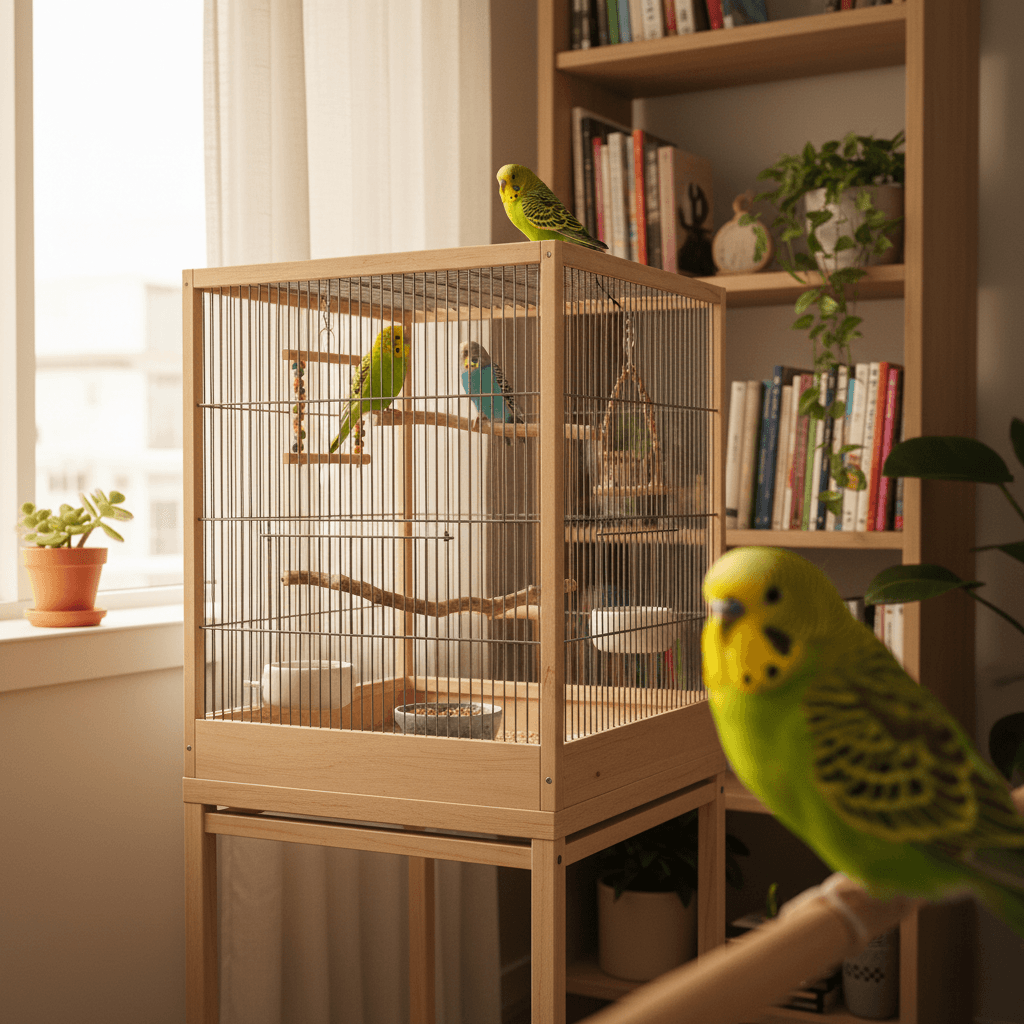
You love your cat. You love your plants. Unfortunately, your cat also loves your plants — as a snack.
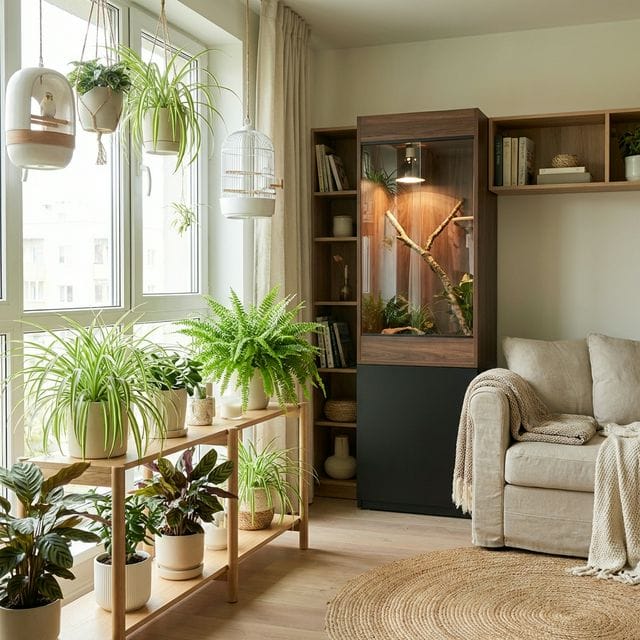
In a small apartment, separating pets and plants is hard; there is no spare room to turn into a plant studio. Whether you share your space with a curious tabby, a nibbling budgie or a basking leopard gecko, plant toxicity is a real concern. Many common houseplants (like monsteras, pothos and especially lilies) contain calcium oxalate crystals or other compounds that can cause vomiting, swelling or even organ damage in pets.
The good news: you do not have to choose between a jungle and a healthy pet. There are plenty of lush, tropical‑looking plants that are classed as non‑toxic for typical companion animals. Here is your guide to building a pet‑safer urban jungle in a small apartment.
Important: “Non‑toxic” does not mean “snack.” Even safe plants can cause mild stomach upset if chewed in large amounts; always call your vet if you are worried.
For Cat and Dog Owners (The Chewers)
Cats and dogs — especially kittens and puppies — explore the world with their mouths. Assume anything in reach will get tested at least once.
Pet‑safer picks (cats and dogs):
- Spider plant (Chlorophytum comosum): Non‑toxic to cats and dogs and very forgiving. Many cats treat the grassy leaves like a toy and may get a mild, catnip‑adjacent buzz, so hang it up if they overdo it.
- Calathea / prayer plant (Calathea, Maranta): Dramatic patterns and leaf movement, listed as non‑toxic for cats and dogs by ASPCA‑based guides. Can be finicky about humidity and water, but safe if chewed.
- Boston fern (Nephrolepis exaltata): A classic hanging plant that is considered safe for cats and dogs and also shows up on bird‑ and reptile‑safe lists. Loves humidity — great for bathrooms.
- Parlor palm (Chamaedorea elegans): Gives you a mini “indoor tree” without the danger of sago palm; parlor palms are generally regarded as pet‑safe.
- Peperomia: Thick, rubbery leaves in many shapes. Multiple peperomia species are flagged as non‑toxic to cats and dogs and make good small‑space shelf plants.
Always check individual species on a trusted toxic/non‑toxic list (like the ASPCA database) before buying, especially if your pet is a chronic plant chewer.
For Bird Owners (Budgies and Parrots)
Birds do not just nibble; they strip bark, shred leaves and interact with plants all day. They are also extremely sensitive to airborne chemicals from pesticides and strong fragrances.
Bird‑friendly ideas (always confirm species):
- Spider plants: Widely mentioned as safe enrichment plants for parrot homes; great to hang near play areas for supervised shredding.
- Boston fern: Soft fronds that are generally considered safe for pet birds and add humidity to their environment.
- Palms (parlor palm, areca, bamboo palm): Several small palm species show up on parrot‑safe and bird‑safe lists and provide natural perches and cover.
- Herbs: Culinary herbs like basil, rosemary and thyme are often recommended as safe enrichment foods and can double as kitchen plants; just avoid treating them with systemic pesticides.
Avoid for birds: Avocado, philodendrons, dieffenbachia and many lilies are repeatedly flagged as dangerous or potentially lethal to birds.
For Reptile Keepers (Bioactive Tanks)
In a bioactive or planted enclosure, plants are part of the ecosystem: they provide cover, humidity and climbing surfaces as well as aesthetics.
Commonly used reptile‑safe plants (always match to species):
- Pothos (Epipremnum aureum): Pothos is toxic to cats, dogs and many birds, but it appears regularly on reptile‑safe plant lists and thrives in humid, low‑light vivaria. For non‑herbivorous reptiles that do not graze on foliage, it is often considered acceptable, but you should still confirm in care sheets for your specific species.
- Snake plant (Dracaena / Sansevieria complex): Tough, upright leaves that tolerate trampling and low light and are mentioned as suitable for some reptile enclosures; still keep an eye out if you keep species that eat greens.
- Bromeliads: Repeatedly recommended for tropical terrariums because they hold water in their rosettes and create micro‑hiding spots for small reptiles and amphibians. They also anchor well into background structures in vertical tanks.
Because some reptiles actively eat plant matter, always cross‑check plant choices with reputable reptile‑care resources for your exact species rather than relying on a generic “reptile‑safe” label.
Toxicity Check Table (Quick Reference)
Use this table as a fast apartment cheat sheet, then double‑check details in the ASPCA or species‑specific lists before you buy.
Conclusion
A pet‑safe home is a calmer home. You can still have trailing foliage (spider plants), patterned leaves (calatheas) and even bioactive reptile tanks without constantly worrying about emergency vet visits. Focus on species with clear non‑toxic status, place them intelligently in a small apartment and verify every new plant before it comes through the door.
For species‑specific care, pair this with your favorite budgie care and leopard gecko care resources, and if you want styling inspiration for safe, mixed plant corners, check our Apartment Plant Combo Packs ideas next.
Which indoor plants are completely safe for cats?
The Spider Plant, Parlor Palm, and Calathea species are non-toxic and excellent structural choices if your cat likes to chew leaves.
Are snake plants toxic to dogs?
Yes, Snake Plants (Sansevieria) are mildly toxic to dogs and cats, causing stomach upset if ingested. Keep them out of reach.
Can I keep plants safely near a budgie cage?
Use non-toxic ferns and ensure the soil is covered with large pebbles, as budgies enjoy digging and may accidentally eat potting mix.
![Leopard Gecko Care: Complete Beginner Guide [2026]](https://urbanmicrotips.com/wp-content/uploads/2026/02/Leopard-Gecko-Care-Beginner-Setup-in-36x18x18-Terrarium.png "Leopard Gecko Care: Complete Beginner Guide [2026] 2")