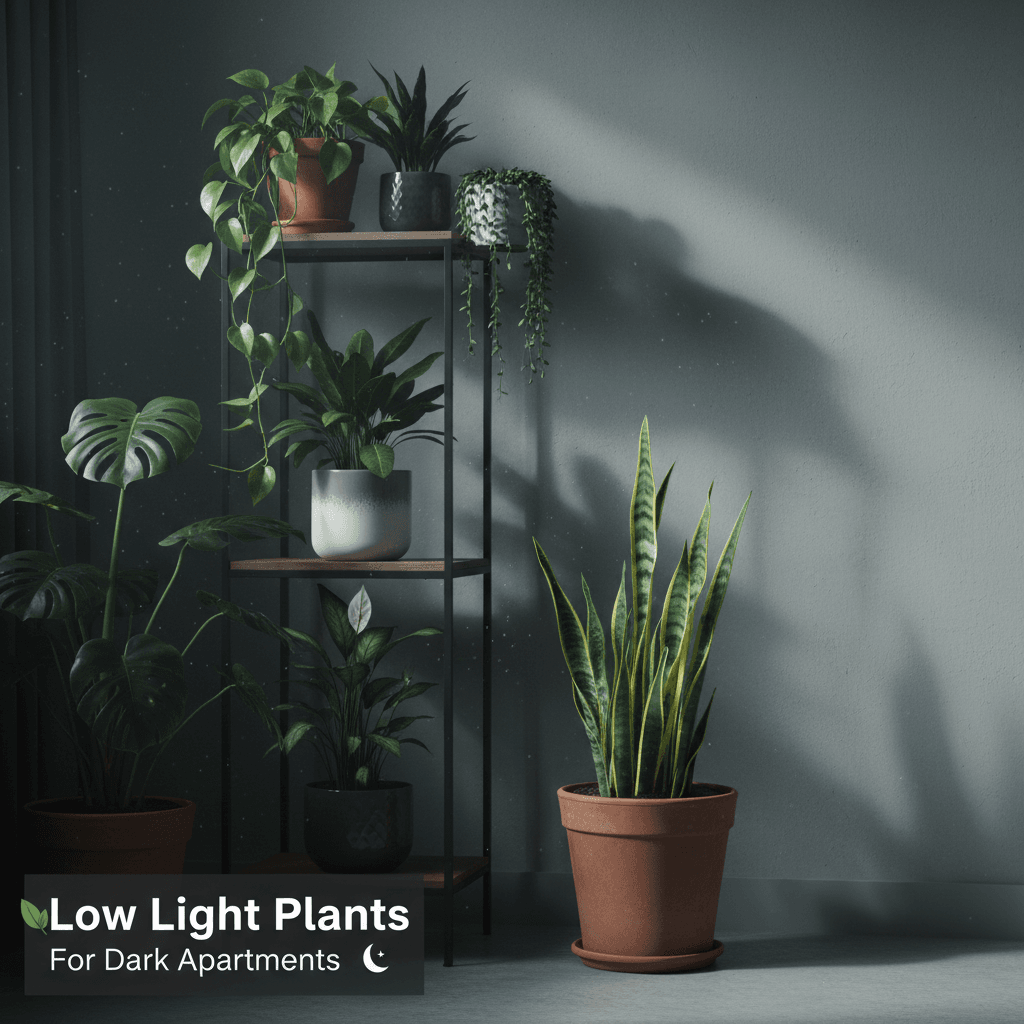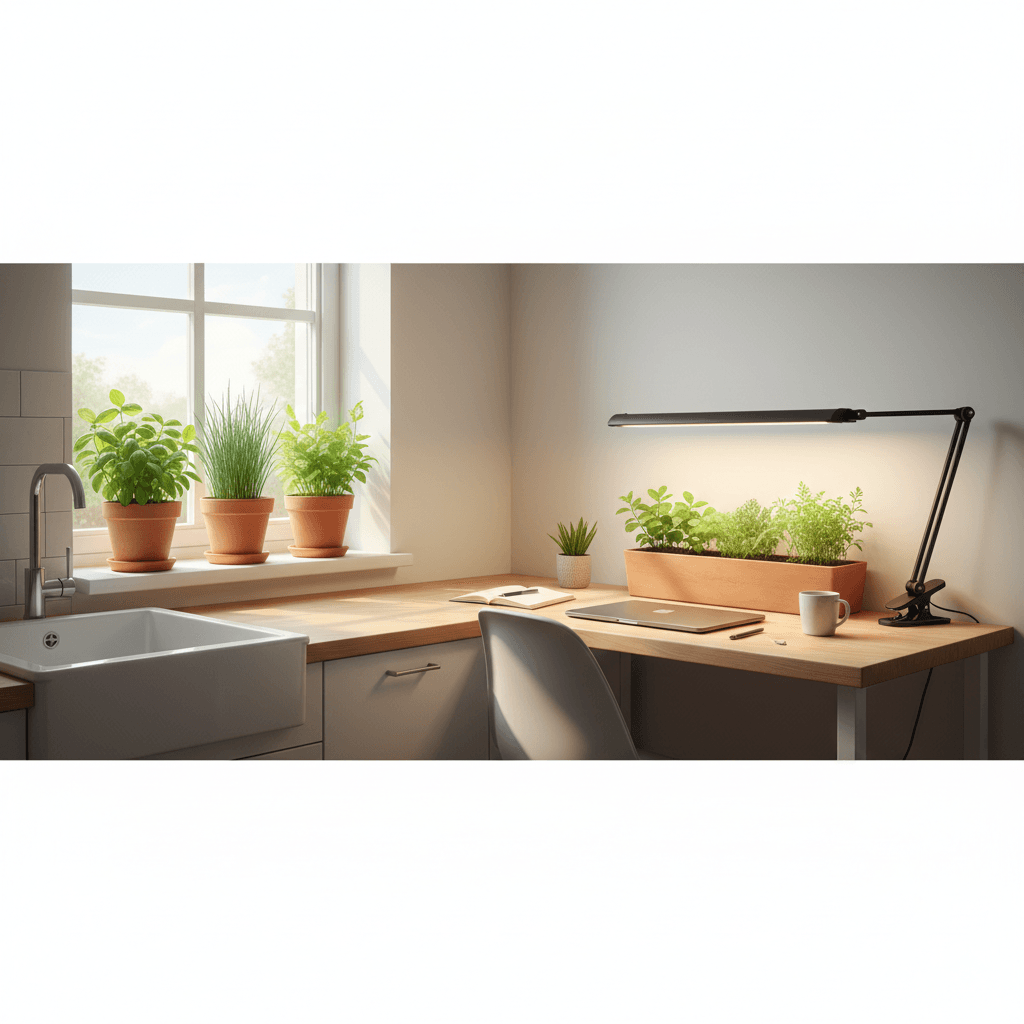
In a 25sqm studio, the temptation is to fill every available surface with small pots of succulents and houseplants. We call this “Plant Hoarding,” and in a micro-space, it leads to visual noise, humidity issues, and a “cluttered jungle” feel that is the opposite of a sensory sanctuary. True minimalist plant styling for small apartments isn’t about having zero plants; it’s about having a few high-impact, architectural specimens that provide maximum micro-wellness with minimum spatial cost.
The “Green Anchor” strategy focuses on choosing plants that act as living sculpture. Instead of ten small pots, use one massive “Statement Plant” or a series of low-light hanging plants to create a vertical canopy. This approach integrates nature into your managed studio apartment without suffocating the room’s flow. In my own urban lifestyle, transitioning to minimalist styling reduced the time I spent on maintenance by 70% and increased the “Biophilic Peace” of my home instantly.
1. The “Statement Specimen” Rule
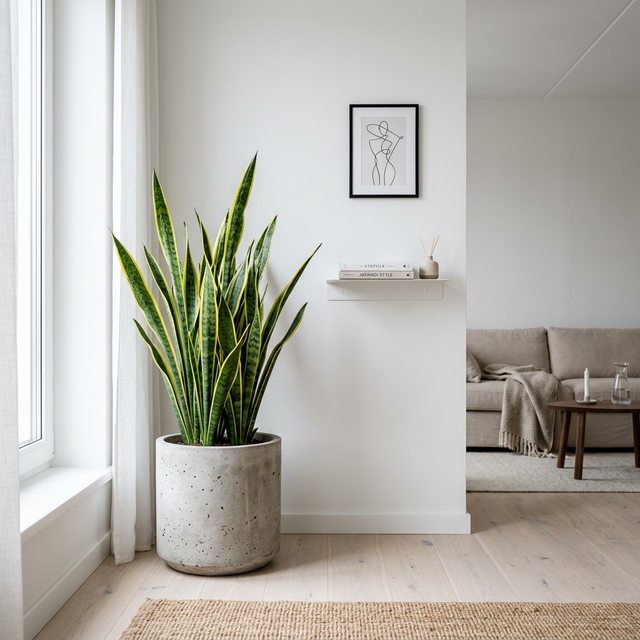
The heart of minimalist plant styling for small apartments is the “Single Bold Move.” The strategy: Replace 5 small, struggling plants with one large, healthy architectural specimen (like a Bird of Paradise, a large Snake Plant, or a Fiddle Leaf Fig). The Value: A large plant provides a singular “Visual Anchor.” It commands the room and defines a zone (e.g., your meditation nook) without creating the “jittery” feel of many small pots. It’s part of the large art paradox logic: bigger is better for small spaces.
2. Vertical Lifting: Freeing the Floor
If your plants are on the floor, they are getting in the way of your furniture with legs and making the 25sqm feel smaller. The Hack: Use “Hanging Architecture.” The Gear: Use minimalist ceiling hooks or a wall-mounted “Plant Rail.” The Benefit: By moving your greenery to the “High-Z” axis, you create a “Living Ceiling.” This is a core part of vertical decor vs clutter, allowing you to enjoy the biophilic texture design while keeping your “Urban Mobility” paths clear.
3. The “Monochrome Potter” Palette
Visual noise often comes from the pots, not the plants themselves. A jumble of terracotta, plastic, and patterned ceramic creates an “Accidental” look. The Strategy: Use a unified palette for your planters (e.g., all matte white, all raw concrete, or all black metal). The Result: This makes your minimalist plant styling for small apartments look like a deliberate design choice. It allows the green of the leaves to be the only “color data point,” supporting an uncluttered sensory environment.
4. “Bio-Zoning” with Living Screens
Traditional dividers feel heavy. Use plants to divide your space. The idea: Use a tall shelf (like a Kallax) but only fill it with plants. The Hack: Use “Trailing Plants” (like Pothos) on the top shelf to create a “Green Waterfall.” The Benefit: This provides a “Transparent Shield” between your smart sleep setup and your living area. It filters the air, provides privacy, and maintains the “Invisible Wall Strategy” of a managed studio apartment.
5. The “Zero-Maintenance” Specimen Selection
Minimalism is also about “Mental Bandwidth.” If you are constantly worrying about wilting leaves, the plant isn’t helping your micro-wellness. The Choice: Select “Survivor” plants that thrive in low-light hanging plants conditions. The List: Snake Plants, ZZ Plants, and Sansevieria are virtually indestructible. They require water only once every 2-3 weeks. This supports your 15-minute morning prep—you don’t have to water your garden every morning to keep it alive.
6. Integrating with Digital Home Health
Modern minimalist plant styling can be high-tech. The Tech: Use “Smart Moisture Sensors” that connect to your digital identity kit. The Benefit: You only water when your phone tells you the soil is at 10% moisture. This prevents “Over-Care,” which is the #1 killer of indoor plants. It ensures your sensory sanctuary remains healthy and vibrant with zero “Maintenance Anxiety.”
7. The “Negative Space” Buffer
In any minimalist studio, “empty space” is a design element. The Rule: Surround your “Green Anchor” with at least 50cm of blank wall or floor. The Reason: This makes the plant look like a piece of curated art. If a plant is squashed into a corner with other clutter, it loses its power. By providing “Visual Air” around the plant, you enhance its biophilic texture design and make the room feel more premium.
| Plant Style | Visual Noise | Maintenance level | [Micro-Wellness](https://urbanmicrotips.com/micro-wellness-habits-studio-living) Gain |
| Plant Hoarding | High (Cluttered) | High (Daily Care) | Stressful / Humid |
| [Minimalist Specimen](https://urbanmicrotips.com/minimalist-plant-styling-small-apartments-tips) | Low (Anchor) | Low (Indestructible) | Calming / Fresh Air |
FAQ
Can I have plants in a windowless studio?
Yes, but you must use circadian lighting full-spectrum bulbs or high-performance “Grow Panels.” Without these, even “low-light” plants will eventually fail. This is a core part of your smart lighting for studios strategy.
Are plants safe for pets in small spaces?
Many popular plants (like Monstera or Lilies) are toxic to cats and dogs. Always check our urban pets and plants guide before bringing home a new specimen. Minimalist styling (fewer, higher-up plants) is inherently safer for pets.
How do I handle humidity in a micro-flat?
If you have a “Green Wall,” you must monitor humidity via your smart home health dashboard. High humidity can lead to mold. Use your compact air purifier to maintain air circulation and keep your sensory sanctuary dry.