Transforming a 25-square-meter apartment into a sanctuary of health and peace can feel impossible when your bed, kitchen, and home office all share the same room. Developing intentional micro-wellness habits for studio living is the only way to prevent claustrophobia, burnout, and that lingering feeling that you are constantly “at work.”
Living in a micro-apartment forces a high-density lifestyle. Without clear physical boundaries, your brain struggles to separate resting from working. You might find yourself eating dinner on your bed or answering emails from the sofa. As an urban renter, you cannot add a dedicated meditation room or knock down walls. You must rely on micro-habits—small, deliberate actions and environmental tweaks that instantly shift your mental state.
In this guide, I share the 7 most effective micro-wellness habits for studio living, designed specifically to help you reclaim your mental peace without needing extra square footage.

1. The 15-Minute “Close the Office” Ritual
When your desk sits two meters from your bed, the temptation to keep working into the night is overwhelming. You must actively break the connection between your living space and your workload.
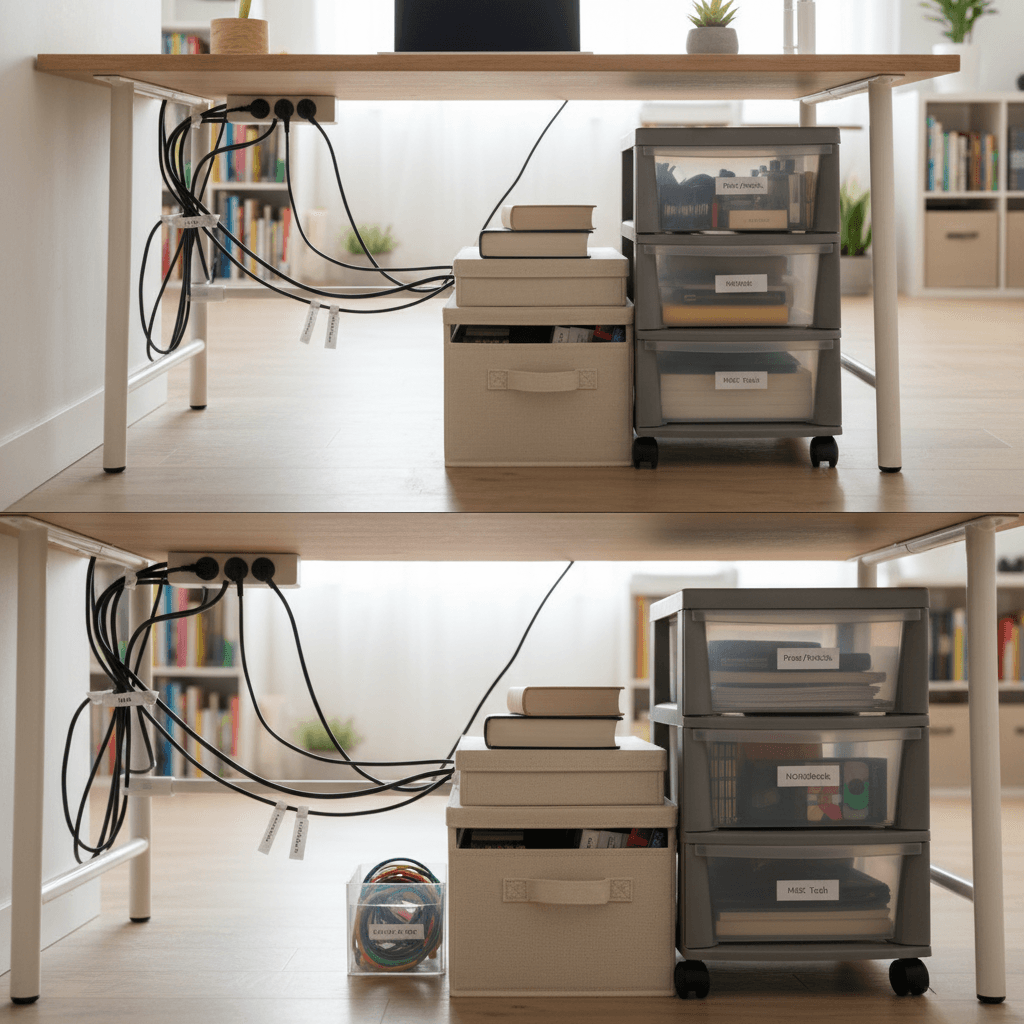
Every single evening, execute a strict 15-minute “close the office” ritual. The moment your workday ends, shut down your laptop completely. Hide your work mouse and notebooks inside a dedicated drawer or an opaque storage box. More importantly, change the sensory environment: turn off the harsh overhead office light and switch on a warm, amber-toned desk lamp. This physical and visual closure signals to your brain that the studio is now a place of rest, not productivity.
2. Morning Hydration at the Literal Window
Air quality and light exposure are the two biggest challenges in a small studio. Micro-apartments often feel stuffy by morning, disrupting your natural circadian rhythm.
Instead of waking up and immediately looking at your phone in bed, build a micro-habit around the window. Keep a large mason jar of filtered water on your windowsill. As soon as you wake up, walk directly to the window, open it wide to let in fresh, uncirculated air, and drink the entire jar of water while looking at the furthest point on the horizon. This floods your eyes with natural daylight (stopping melatonin production), flushes your system, and physically removes you from the bed zone within 60 seconds of waking.
3. The “One-Touch” Clutter Rule
In a 25sqm studio, leaving just three items out of place—a jacket on a chair, a mug on a table, and shoes by the door—makes the entire apartment look messy. Visual clutter instantly spikes cortisol levels (the stress hormone).
Adopt the “One-Touch” rule. When you pick up an item or take something off, you only touch it once to put it in its designated, permanent home. You do not place a sweater on the bed to “put away later.” You touch it once and hang it directly in the closet. By enforcing this micro-habit, your studio remains in a constant state of baseline cleanliness, sparing you the weekend-ruining marathon cleaning sessions.
4. Aromatherapy Scent Zoning
Since you cannot use walls to separate your living areas, you must use your senses. Olfactory boundaries are incredibly powerful psychological triggers.
Use scent zoning to hack your brain’s association with the space. During the workday, diffuse an invigorating, sharp scent like peppermint or eucalyptus near your desk. At 7:00 PM, turn that diffuser off and light a warm, grounding candle (like sandalwood or lavender) on your coffee table or nightstand. This transition in smell creates an invisible “wall” between the active day and the restful evening, proving that you do not need physical doors to change the mood of a room.
5. The “Landing Strip” Decompression Zone
Walking straight from the chaotic, noisy city street directly into your tiny apartment center can bring frantic urban energy right to your sofa.
Create a micro “landing strip” right inside your front door. This can be as simple as a small textured rug, a wall hook for your keys, and a tiny shelf for your wallet. The habit is simple: when you walk through the door, you pause here for 10 seconds. You drop your keys, take a deep breath, and literally leave the city behind before taking off your shoes and stepping fully into your sanctuary. It is a physical airlock for your stress.
6. Vertical Stretching and Posture Checks
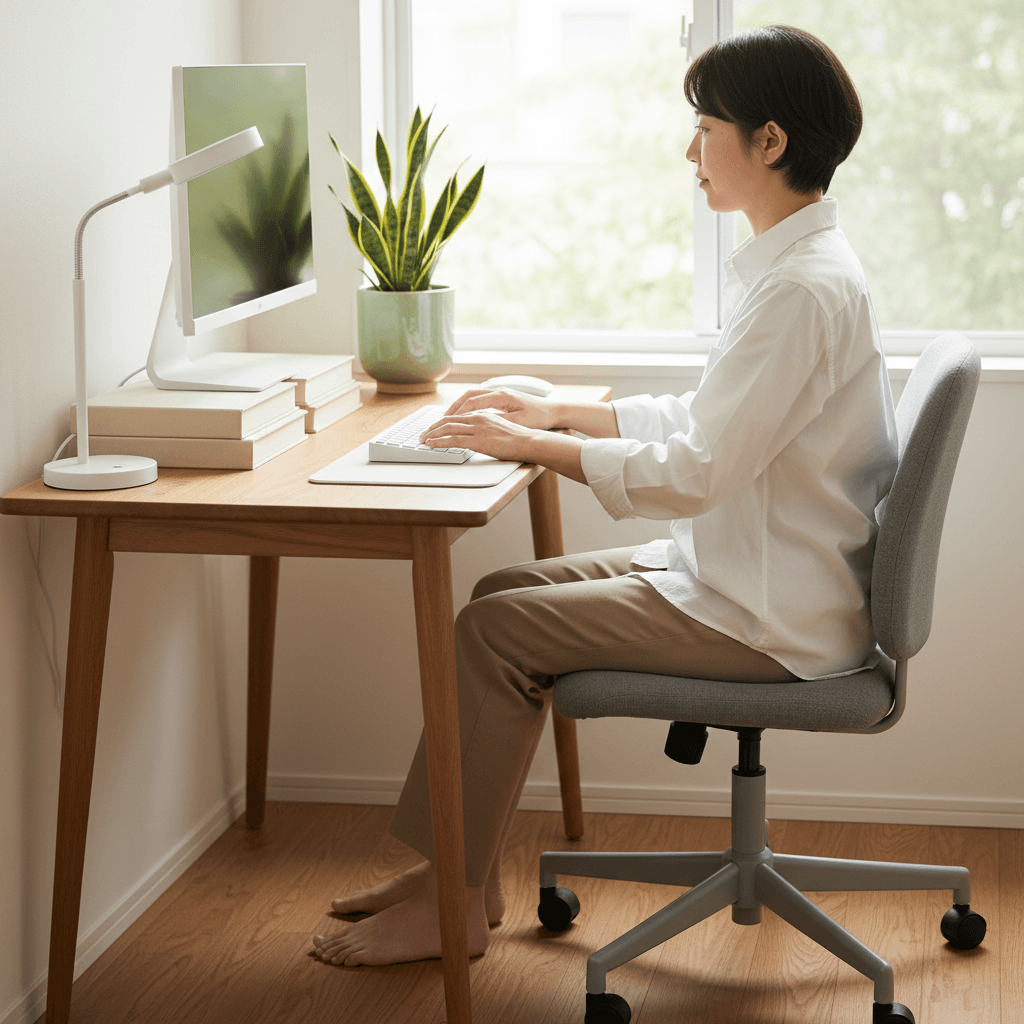
Working on a laptop at a small dining table or hunched over a coffee table destroys your posture and compresses your spine. Micro-apartments do not leave room for heavy gym equipment, but they do have walls and doorframes.
Implement a vertical stretching habit every time you get up to use the bathroom or grab water. Stand inside a doorframe, place your forearms on the frame, and gently lean forward to open up your tight chest muscles. Alternatively, stand flat against a blank wall, ensuring your heels, glutes, shoulders, and head all make contact, and hold it for 30 seconds. This micro-wellness habit combats the specific “c-curve” posture developed from tight urban living and improper desk ergonomics.
7. The Analog Wind-Down Hour
Small studios mean your television, laptop, and phone are always within an arm’s reach. The blue light emitted by these screens suppresses sleep hormones, bouncing around the small white walls of your apartment and keeping your brain wired.
Commit to an analog wind-down hour. Exactly 60 minutes before you intend to sleep, turn off all screens. No TV, no scrolling, no exceptions. Instead, read a physical book, listen to an audiobook, or do gentle floor stretches. Dim the lights to absolute minimums. Because your bed is the focal point of the studio, ensuring the whole room is dark and quiet is the only way to guarantee deep, restorative sleep in a high-density building.
Evaluating Micro-Habit Impact
Use this chart to prioritize which wellness habits to implement first in your studio:
| Micro-Habit | Fixes Which Problem? | Time Required | Cost |
|---|---|---|---|
| Close the Office | Work/Life boundary blurring | 1 minute | Free |
| Window Hydration | Morning grogginess, stiff air | 2 minutes | Free |
| One-Touch Rule | Visual clutter and stress | Instant | Free |
| Scent Zoning | Lack of physical walls | 1 minute | Low (Oils/Candles) |
Safety Disclaimer: If using essential oil diffusers for scent zoning, ensure the oils you choose are completely safe for any pets living with you, as highly concentrated oils in a small, unventilated studio can be toxic to cats and birds.
Conclusion
You do not need an expansive house out in the suburbs to live a peaceful, deeply healthy life. By adopting these micro-wellness habits for studio living, you seize control of your tiny environment and forge powerful psychological boundaries where physical walls do not exist. Your apartment transforms from a cramped box into a deliberate, restorative battery-charging station.
Ready to reclaim your peace? Tonight, set a hard alarm for your “analog wind-down hour”, turn off all screens, and notice how much easier it is to fall asleep in your micro-sanctuary.
How do I stop my studio from feeling claustrophobic when I work from home?
You must break the visual line of sight to work items. Use a folding room divider screen during the evening to hide your desk, or pack your laptop away completely into a drawer so you do not see it from your bed.
Will scent zoning actually trick my brain?
Yes. The olfactory nerve is directly linked to the amygdala, the emotional center of the brain. Consistency is key; if you only smell lavender when it is time to relax, your brain will quickly learn to drop your heart rate the moment you light that specific candle.
What if I don’t have natural light for my morning hydration habit?
If your apartment faces an alley or lacks direct sunlight, invest in a small, medical-grade SAD (Seasonal Affective Disorder) daylight therapy lamp. Turn it on for 15 minutes while you drink your morning water to simulate the sun and halt melatonin production.