You love the idea of cooking with fresh basil and mint, but every time you buy a potted plant from the supermarket, it dies within two weeks. The soil dries out, the leaves turn brown, and eventually, the entire pot ends up in your apartment’s trash bin. You simply do not have the space, the time, or the large sunny windows necessary to manage a traditional dirt-based garden.
This is exactly where the Kratky method changes everything.
You can build highly productive hydroponic mason jar herb gardens right on your kitchen counter. This passive hydroponic method requires absolutely no electricity, no noisy air pumps, and zero messy potting soil. It relies entirely on a simple glass jar, nutrient-infused water, and the natural growth cycle of the plant.
By setting up these jars, you can grow explosive amounts of fresh herbs in a tiny footprint, making it the absolute gold standard for apartment dwellers who want zero-maintenance greenery.
What is the Kratky Method?
Before building your hydroponic mason jar herb gardens, you must understand how passive hydroponics work.
In nature, a plant’s roots need both water and oxygen. If you submerge a soil-grown plant completely in a cup of water, the roots will quickly drown, rot, and kill the plant.
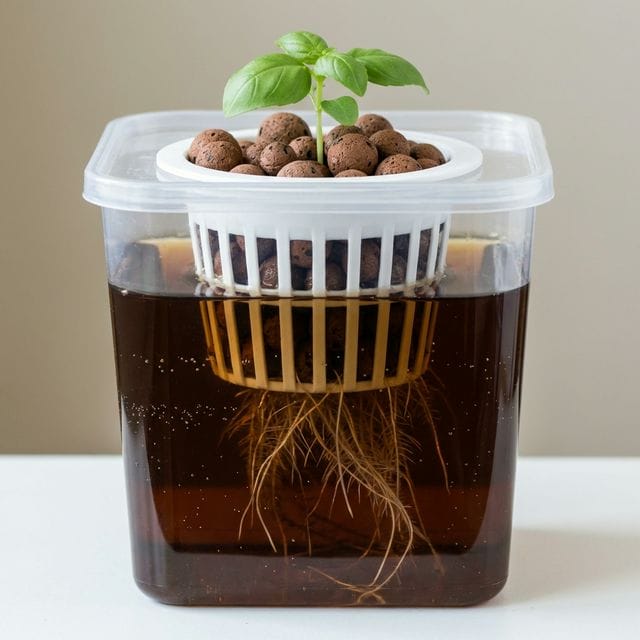
The Kratky Method solves this beautifully. You suspend the plant in a net cup at the top of a jar filled with nutrient water. Initially, the water touches the bottom of the net cup. As the plant drinks, the water level slowly drops. This creates an air gap inside the jar. The plant naturally develops two different types of roots: “water roots” that dive deep into the liquid to drink, and “air roots” that stay in the gap to absorb oxygen.
Because the plant drinks the water down at the exact same rate it needs more oxygen space, the system perfectly balances itself without any mechanical pumps.
The Essential Supplies Checklist
Building your own hydroponic mason jar herb gardens requires a trip to the hardware store, but the total setup costs less than $15 per jar.
- Wide-Mouth Mason Jars: 32-ounce (quart) wide-mouth glass jars are the perfect size. The wide mouth allows for easy cleaning, and the quart volume holds enough water so you only need to refill it once a month.
- 3-Inch Net Cups: These small slatted plastic cups fit perfectly into the mouth of a wide-mouth mason jar. They hold the plant in place while allowing roots to grow through the bottom.
- Clay Pebbles (LECA): Lightweight Expanded Clay Aggregate. These porous clay balls support the stem of the plant inside the net cup without restricting root growth or holding excess moisture that could rot the stem.
- Hydroponic Nutrients: You cannot use standard potting soil fertilizer. You must buy liquid hydroponic nutrients specifically formulated for vegetative growth (like a standard “Grow” formula).
- Aluminum Foil or Black Paint: This is non-negotiable. Algae thrives in sunlight. If light hits the nutrient water inside clear glass, algae will bloom, consuming all the oxygen and suffocating your plant’s roots. You must black out the jar completely.
Step-by-Step Setup Guide
Setting up your hydroponic mason jar herb gardens is a project that takes less than 30 minutes from start to finish.
1. Light-Proofing the Jar
Your first priority is stopping algae. The easiest renter-friendly method is wrapping the outside of the mason jar tightly with aluminum foil. Alternatively, you can slide the jar into a thick, black athletic sock. If you want a more permanent, aesthetic look, use matte black spray paint or chalkboard paint to coat the outside of the glass. Leave a very thin vertical strip unpainted so you can check the water level.
2. Mixing the Nutrient Water
Follow the instructions on your hydroponic nutrient bottle carefully. Generally, you will mix about 1 to 2 teaspoons of the liquid nutrient into a gallon of tap water. Fill the light-proofed mason jar with this nutrient solution until the water level is about half an inch below the very rim.
3. Preparing the Plant
The easiest way to start is by buying a live basil or mint plant from the grocery store. Carefully remove the plant from its plastic pot. Gently massage the root ball under running lukewarm water to wash away absolutely all of the dirt. The roots must be pristine and white; any remaining soil will rot in the jar.
4. Assembling the System
Thread the clean roots through the bottom slats of the 3-inch net cup. The roots should hang freely below the cup. Place the net cup into the mouth of the jar. The bottom quarter-inch of the net cup (and the roots) should be submerged in the nutrient water. Finally, fill the rest of the net cup with rinsed clay pebbles to hold the plant stem completely upright.
Managing Your Mason Jar Garden
The beauty of hydroponic mason jar herb gardens is that they thrive on neglect. They are the ultimate “set it and forget it” system for busy apartment dwellers.
The Refill Rule
As the plant grows, it will drink the water, creating that crucial air gap. Never refill the jar entirely to the top. If you fill it back to the rim, you will drown the air roots and kill the plant. When the water level gets very low (about an inch left at the bottom), mix a fresh batch of nutrient water. Carefully lift the net cup and refill the jar only halfway up. This ensures the air roots stay dry while the water roots get fresh nutrients.
Providing Adequate Light
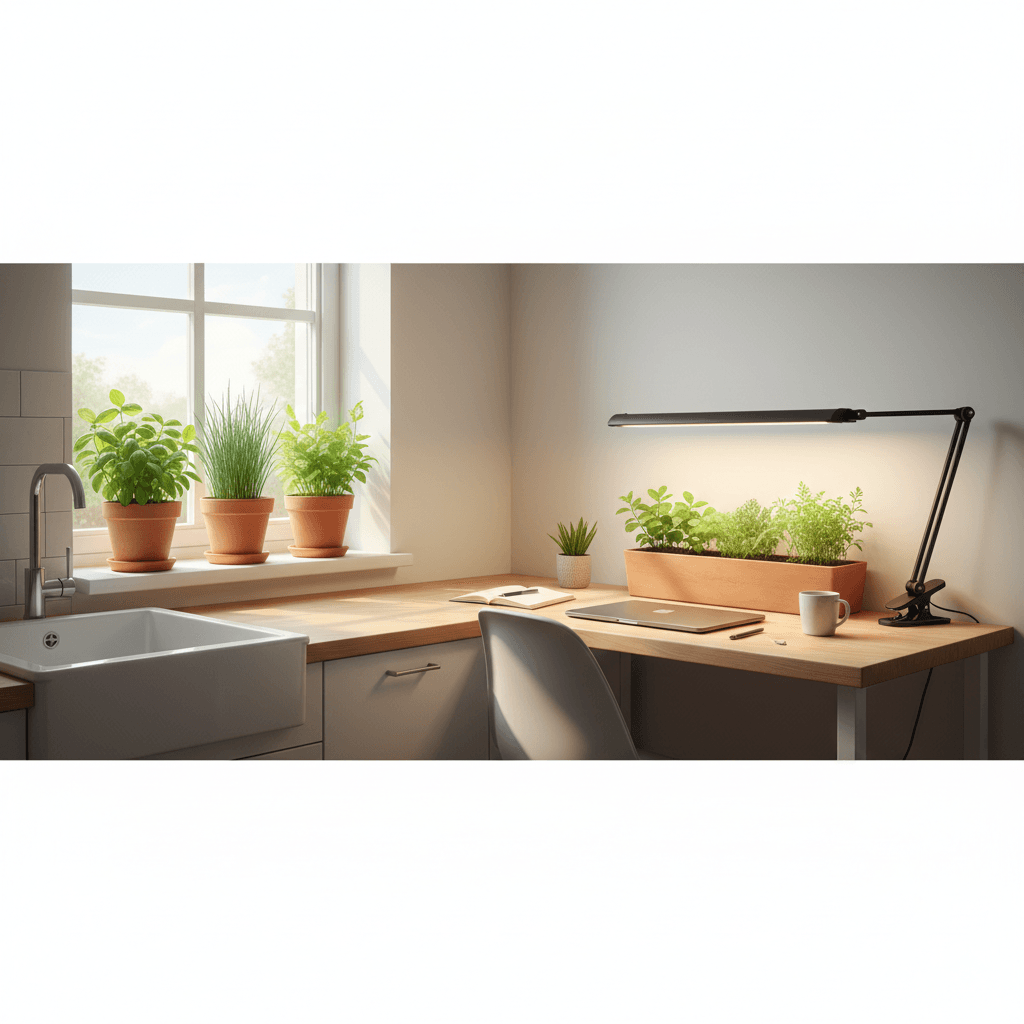
Your herbs still need energy to grow. Place your jars on a sunny south-facing windowsill. If your apartment lacks bright natural light, you must suspend a small, inexpensive LED grow light directly above the jars, keeping it on for 12 hours a day.
The Best Herbs for the Kratky Method
Not all plants enjoy passive hydroponics. Focus on fast-growing, water-loving herbs to guarantee success in your hydroponic mason jar herb gardens.
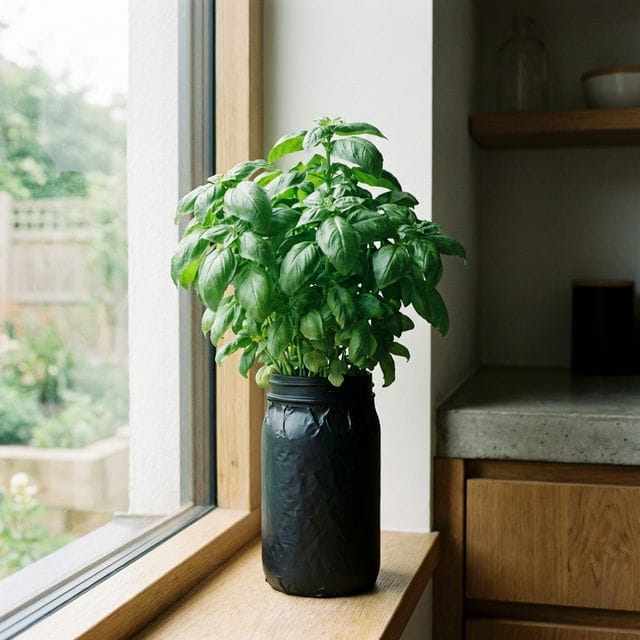
- Basil: The absolute champion. Basil grows rapidly, loves water, and requires constant harvesting to prevent it from flowering.
- Mint: Almost invasive in its growth habit. Mint will quickly produce massive root systems and thick foliage in a mason jar.
- Cilantro: A slightly cooler-weather herb. It grows well hydroponically but has a shorter lifespan before it goes to seed (bolts).
- Lettuce: While not a culinary herb, loose-leaf lettuce varieties (like Buttercrunch) thrive in this exact same setup.
Conclusion
You do not need to accept wilted, dirt-filled grocery store plants as a fact of apartment life. By embracing simple science, you can transform your kitchen counter into a highly efficient, soil-free producing zone.
Hydroponic mason jar herb gardens prove that you can grow high-quality food in virtually any living condition. They are cheap to build, visually striking, and completely eliminate the mess of traditional indoor gardening.
If you are expanding your indoor setup, ensure you read our larger piece on growing food in a windowless apartment to understand macro lighting strategies, and check out the best LED grow lights if you lack a sunny windowsill.
Do I need to check the pH of the water in a mason jar setup?
For common robust herbs like basil and mint, tap water combined with quality hydroponic nutrients naturally buffers to a usable pH range. Unless you are growing very sensitive crops, you can completely ignore pH meters.
Can I start seeds directly in the LECA clay pebbles?
No, seeds will fall through the gaps in the pebbles. If you want to start from seed, germinate the seed in a small rockwool cube first, then place the entire rooted cube directly into the net cup surrounded by LECA.
How often do I need to totally clean the glass jar?
You should completely empty, wash, and sterilize the jar with hot water and dish soap every 3 to 4 months. This prevents toxic salt build-up from the concentrated liquid fertilizers.