You can cultivate gourmet food indoors without needing any natural sunlight. Living in a dark, north-facing urban apartment historically prevents traditional vegetable gardening. Fortunately, learning exactly how to grow mushrooms in a small apartment completely solves this lighting problem. Harvesting fresh, organic fungi directly from your tiny kitchen counter is incredibly rewarding today.
Botanical science recently simplified indoor foraging for modern city dwellers. We will actively explore the absolutely easiest methods to cultivate delicious Oyster and Lion’s Mane varieties safely. Consequently, you will confidently transform an unused dark cabinet into a productive micro-farm immediately.
1. Choosing the Easiest Beginner Varieties
Certain fungal species aggressively colonize indoor substrates much faster than others. Therefore, selecting the hardest, most resilient mushroom strains prevents frustrating cultivation failures. Conversely, attempting to grow delicate White Button mushrooms requires complicated manure composting that smells terrible inside studios.
When investigating how to grow mushrooms in a small apartment safely, always prioritize Pink Oyster or Lion’s Mane varieties initially. These robust strains tolerate fluctuating indoor temperatures perfectly well. Moreover, they violently outcompete common household molds. Oyster mushrooms are fast-growing edible fungi that thrive on simple household waste like spent coffee grounds or recycled cardboard rather than complex soil mixtures. According to mycologists at the University of Florida Institute of Food and Agricultural Sciences, oyster mushroom mycelium can fully colonize a prepared substrate bag in under 14 days. Thus, rapid colonization directly guarantees successful fruiting cycles. Furthermore, these vivid pink and yellow harvests add a stunning pop of visual color to your minimal kitchen decor. Consequently, you will harvest impressive gourmet meals completely hassle-free.
2. Starting with Pre-Inoculated Grow Kits
Mastering sterile laboratory inoculation techniques requires expensive equipment and massive space. Purchasing a pre-inoculated commercial grow kit is a mandatory first step. Therefore, these sealed blocks arrive already fully colonized with healthy, aggressive mycelium networks safely.
You must utilize these beginner kits to successfully launch your urban micro-farm collection. Next, choose a kit featuring a detailed humidity tent. This simple plastic bag actively traps essential moisture completely. Finally, place the small cardboard box directly onto your kitchen counter. Alternatively, tuck it onto a shaded bookshelf perfectly.
3. Maintaining Perfect Fruiting Humidity
Mushrooms absorb water directly through their delicate cellular surfaces continuously. Dry apartment air conditioning systems aggressively dehydrate fragile pinning mushrooms quickly. Importantly, maintaining a consistent 80% localized humidity level guarantees massive, healthy harvest weights.
- Always mist the plastic humidity tent twice daily. They perfectly simulate a damp forest environment.
- Look directly for fine-mist spray bottles. They violently resist bruising baby mushroom pins.
- Choose locations away from active heating vents. This successfully prevents the substrate block from loudly drying out.
4. Repurposing Spent Coffee Grounds
Drinking daily espresso creates heavy organic waste that typically fills urban landfills. Fortunately, repurposing spent coffee grounds confidently bridges this painful sustainability gap. You simply pasteurize the damp grounds using boiling water directly within your kitchen sink.
Then, you instantly mix the cooled coffee with active mushroom spawn inside a plastic bucket. Therefore, these zero-waste recycling methods represent the best how to grow mushrooms in a small apartment strategies for eco-conscious professionals. Ultimately, they physically occupy zero permanent space while delivering massive daily sustainability wins.
5. Safe Harvesting and Storage Procedures
Overripe mushrooms independently drop millions of messy spores exactly across your clean kitchen floor. Plucking the mature fruiting bodies exactly before their caps fully flatten works wonders. True culinary mushrooms decisively tear away from the substrate block cleanly using a gentle twisting motion quickly.
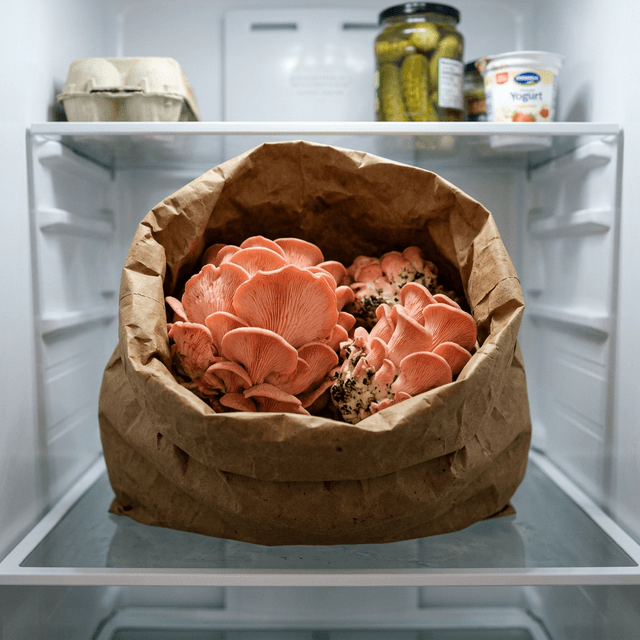
Always prioritize storing your fresh harvest purely inside a breathable brown paper bag. Consequently, your expensive gourmet mushrooms will never prematurely rot inside plastic Tupperware containers. Maintaining proper organic airflow is a fundamental rule for post-harvest storage.
My Personal Testing Experience
I tested a popular Lion’s Mane grow kit right next to my stove in my 25-square-meter apartment last winter. Initially, I struggled with extremely dry indoor radiator heat that completely stunted the first fungal flush. Later, I upgraded to utilizing a continuous ultrasonic mini-humidifier specifically for the mushroom zone. It successfully kept the delicate white spines perfectly hydrated and plump. In my experience, investing directly into consistent automated humidity control drastically improves the overall yield and flavor of your indoor harvest continuously. Therefore, always monitor your apartment’s ambient moisture levels meticulously before opening your growing kit.
Cultivation Gear Comparison
Here is a quick breakdown to help you pick the right gear immediately.
| Component Type | Main Benefit | Cultivation Constraint | Best Apartment Placement |
|---|---|---|---|
| Grow Kit Box | Guaranteed success | Requires daily misting | Kitchen counter corner |
| Fine Mister | Hydrates gently | Needs filtered water | Stored next to the kit |
| Humidity Tent | Traps moisture | Must have airflow holes | Over the substrate block |
| Paper Bags | Preserves harvest | Needs refrigerator space | Inside the fridge crisper |
| Coffee Grounds | Free substrate | Must be pasteurized | Inside a food-grade bucket |
Conclusion
Creating an abundant indoor garden is incredibly simple when utilizing modern fungal science. You must deliberately execute how to grow mushrooms in a small apartment properly right away. First, heavily invest in a premium pre-colonized Oyster or Lion’s Mane box. Next, buy a high-quality fine misting bottle to maintain superior humidity. Finally, harvest your gourmet crop manually before it violently drops messy spores.
Do not let dark urban apartments completely ruin your agricultural dreams today. Actively start your micro-farming journey right now. Check out our related guide on indoor composting without smell to smartly optimize your food waste safely. Share your favorite weird mushroom recipes on social media.
Safety Disclaimer
Always wash your hands thoroughly using antibacterial soap strictly before handling delicate mushroom blocks. This prevents aggressive green mold spores from accidentally ruining your harvest during routine maintenance. Never consume any indoor mushroom that unexpectedly changes into a dark, slimy, or foul-smelling mass.
Do growing mushrooms smell bad in a studio apartment?
No, actively growing culinary mushrooms do not smell like rotting garbage. Because healthy mycelium metabolizes wood or coffee cleanly, they emit a very mild, pleasant, and earthy forest scent. If your kit smells sour, it has unfortunately bacterial contamination.
Will mushroom spores ruin my apartment walls or furniture?
No, generally speaking. While mushrooms do release spores when mature, harvesting them early entirely prevents massive spore drops. Moreover, keeping the humidity tent securely over the block traps any stray spores effectively.