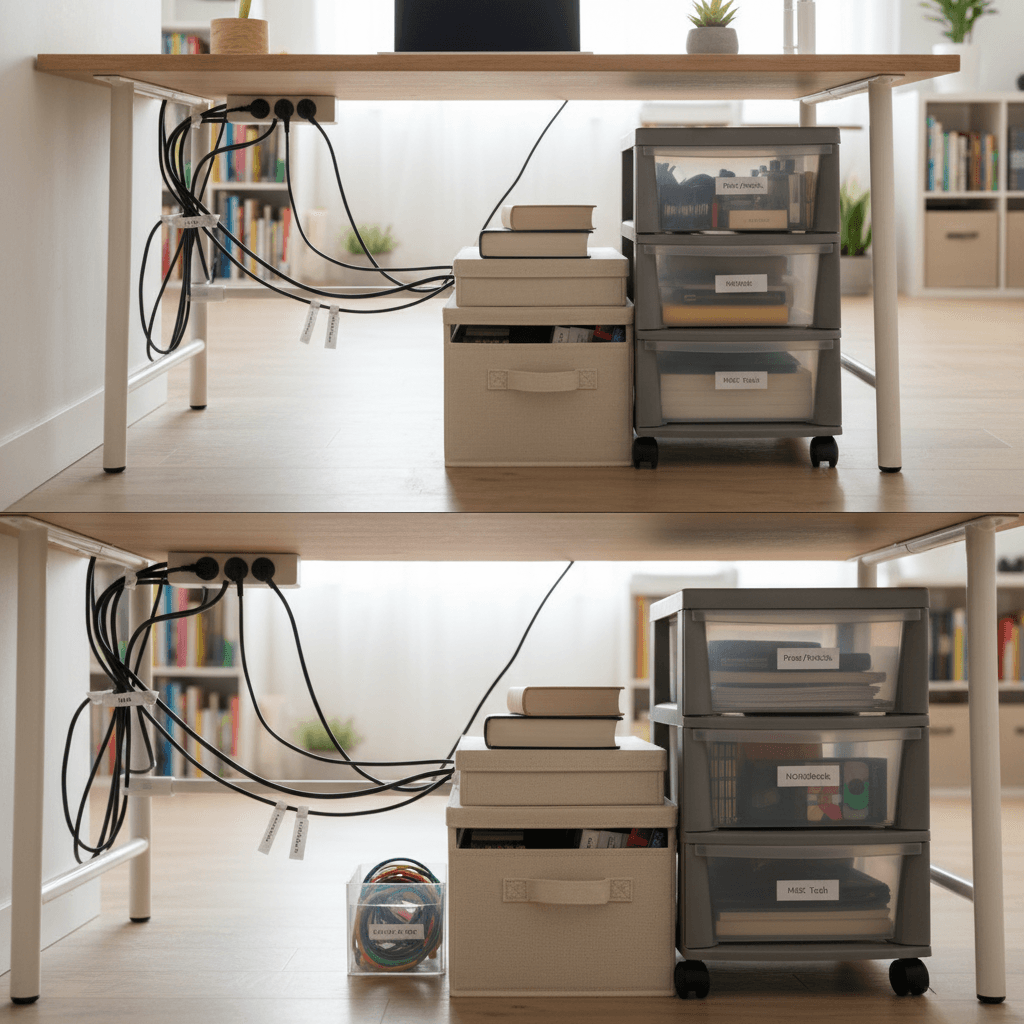
In a 25sqm studio, your living space and your sleeping space are essentially the same 10-foot radius. If you go to sleep looking at a messy sink, a disorganized hidden tech desk, or a cluttered landing strip, your brain remains in a state of low-level “visual arousal.” This desynchronizes your biological clock and leads to what we call “Studio Stress.” The only way to survive high-density living is to master the evening reset habit for micro apartments.
The Evening Reset isn’t just about cleaning; it’s a psychological transition. It is the literal act of closing the “Active Day” and preparing your sensory sanctuary studio living environment for the “Recovery Night.” By committing just 5 minutes or 7 simple steps, you can ensure that you wake up with the mental clarity needed for your next urban mobility commute. In my own 22m² studio, this habit was the turning point for my chronic insomnia.

1. The “Visual Sweep” (Minute 1)
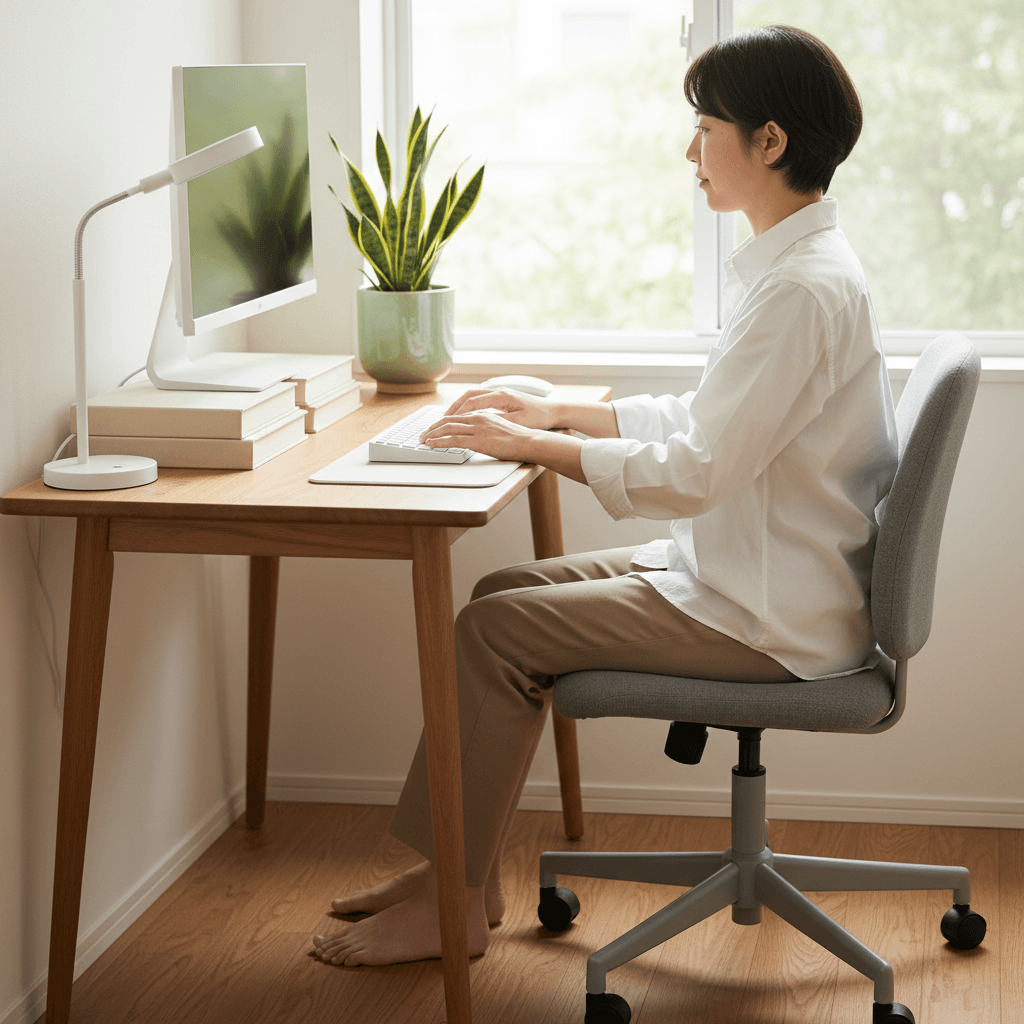
Clutter in a small room isn’t just a mess; it’s “Visual Static.” Every object out of place sends a signal to your brain that there is a “to-do” task unfinished. The Step: Clear the “Hero Surfaces.” This means your kitchen counter, your valet tray, and your smart closet office desk.
The Hack: Don’t deep clean. Just move everything back to its dedicated “Anchor Point.” If you have a modular EDC system, ensuring your keys and wallet are in their tray is enough. This “Negative Space” is the foundation of a sensory sanctuary. By eliminating the ocular noise, you allow your brain to finally enter a state of “Soft Fascination.”
2. EDC Staging for Tomorrow (Minute 2)
The biggest cause of morning stress is the “Search Phase.” Looking for your digital identity kit or your modular backpack at 7:00 AM destroys your 15-minute morning prep efficiency. The Step: Stage your gear on your entryway landing strip.
The Routine: Place your keys, wallet, and packed bag by the door. Plug in any devices that need charging, but do it inside a drawer or behind a screen to avoid the “Blue-Light Ghost” from the LEDs. This “Front-Loading” effort ensures that tomorrow’s urban mobility journey begins on autopilot, preserving your executive function for higher tasks.
3. The Sensory Hand-Off (Minute 3)
Your apartment should help you sleep. The Step: Automate your circadian lighting for windowless apartments. At the start of your reset, your lights should transition to a 2000K amber sunset glow.
The Hack: Simultaneously trigger your “Sleep Scent” through smart aromatherapy for studio zoning. Using Lavender or Sandalwood acts as a chemical signal to the amygdala that “Homeostasis” is the priority. This multi-sensory shift is the difference between a “box in the city” and a sensory sanctuary studio living environment.
4. The “Sink-Zero” Protocol (Minute 3.5)
In a high-density kitchen studio apartment, the sink is often visible from your pillow. A single dirty dish becomes a focal point for internal anxiety. The Step: Never leave a dish in the sink overnight.
The Routine: It takes 30 seconds to wash a single bowl and mug. By completing this, you eliminate the threat of mold, smell, and visual clutter. This supports your micro-living air quality and ensures that when you wake up for your morning water meditation, your environment is pristine. It’s part of the minimalist dish system philosophy.
5. The “Golden Triangle” Path Check (Minute 4)
In a 25sqm flat, the floor is your only “Negative Space.” The Step: Walk the path between your bed, your bathroom, and your door. Is the floor clear? The Hack: Move any vertical fitness gear, yoga mats, or e-scooter charging cables off the walking path. The Value: Trips and falls in a cramped room are high-risk. By ensuring a “Path of Peace,” you reduce physical friction. It’s a core rule of smart studio apartment setup for solo renters.
6. The “Faraday” Digital Lockdown (Minute 4.5)
Screens are the enemy of deep sleep. The Step: Place your smartphone and tablet in their “Sleeping Beauty” drawer. The Routine: Use a physical alarm clock instead of your phone. By detaching from your digital wallet transition world 30 minutes before bed, you allow your brain to produce the melatonin needed for recovery. This habit is the final layer of your micro-wellness circuit.
7. The “Door Seal” Ritual (Minute 5)
Final physical check for safety. The Step: Check your smart security for solo renters dashboard. Ensure the deadbolt is engaged. The Impact: The mechanical “Click” of the lock closing is a powerful psychological signal of closure. It tells your brain: “The world is outside, you are safe inside.” Close your heavy acoustic curtains to finalize the noise mitigation for studio apartments layer. You are now inside your sensory sanctuary.
| Reset Action | Time Taken | Mental Impact |
|---|---|---|
| Stage EDC | 30 Seconds | Morning Confidence |
| Clear Counter | 1 Minute | Focused Peace |
| Shift Lights | 15 Seconds (Auto) | Melatonin Activation |
| Sink Zero | 1 Minute | Olfactory Freshness |
| Faraday Lockdown | 15 Seconds | Digital Detox |
What if I’m too exhausted for a 5-minute reset?
Do the ’60-Second Version.’ Just stage your modular backpack and clear one surface. Any amount of front-loading is better than waking up to chaos. It’s the minimalist on a budget way to save time.
My studio is so small, where do I put the mess?
Use ‘Hidden Storage’ like under-bed bins or a dedicated ‘Clutter Box’ in your smart closet office setup. If you can’t clean it, hide it. This preserves the uncluttered sensory environment required for sleep.
Does this really help with mental clarity?
Yes. By removing ‘Visual Decision Energy’ from your morning, you allow your brain to start the day with a full tank of focus. It is the secret of high-performance urban living.
—