
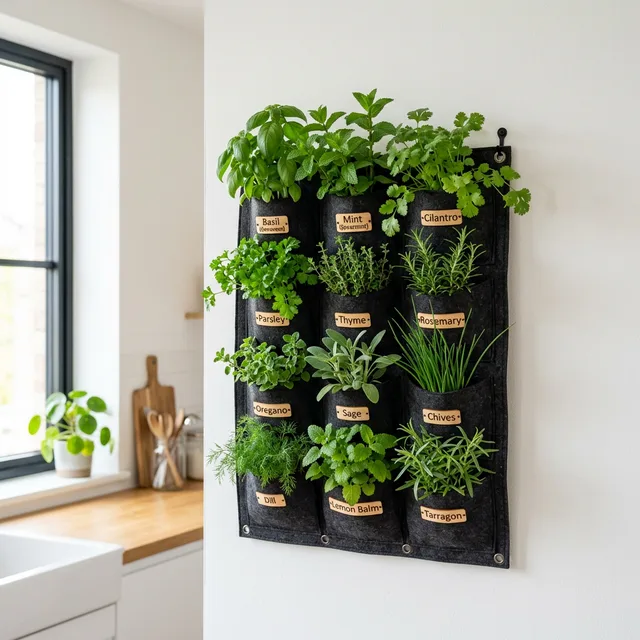
A DIY indoor herb wall is not a Pinterest fantasy — it’s a survival skill for anyone paying $1,400 a month for a studio with zero counter space. I’m talking about the kind of kitchen where the cutting board sits on top of the stove because there’s literally nowhere else to put it. Growing basil and cilantro on the counter? Forget it. The counter doesn’t exist. Add a fast crop of microgreens.
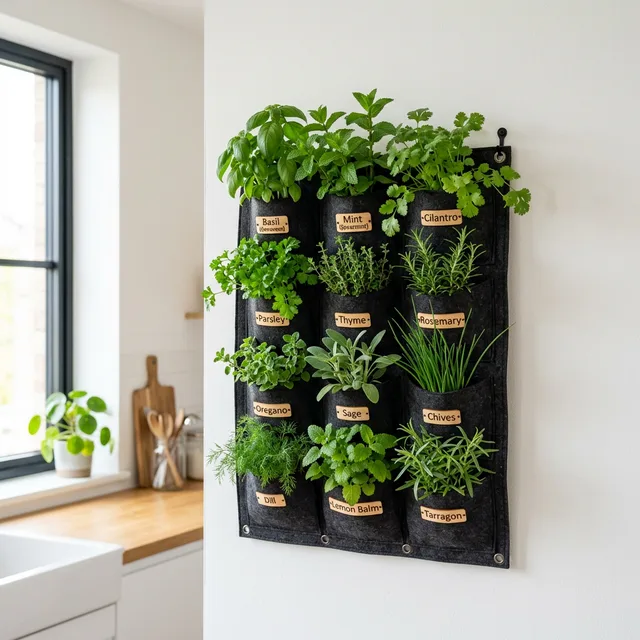
The answer is going vertical. By mounting a simple fabric pocket planter on a bare wall using nothing but 3M Command strips and a tension rod, you can grow 6 to 12 herbs in a space thinner than a bookshelf. No drill. No anchors. No angry email from property management. Scale up with vertical herb gardens.
Why trust this guide? I once tried to hang a wooden pallet planter using “heavy duty” adhesive hooks rated for 15 lbs. The pallet weighed 22 lbs when loaded with wet soil. It fell at 3 AM, shattered a ceramic mug, and left a strip of torn paint down the wall that cost me $180 from my deposit. Use a lightweight potting mix.
Materials & Tools Needed
| Item | Approx Cost ($) | DIY Time |
|---|---|---|
| Felt pocket planter (12-pocket) | $12 | – |
| 3M Command strips (large, 8-pack) | $7 | – |
| Tension rod (adjustable 28–48 in) | $6 | – |
| Spray bottle | $2 | – |
| Lightweight potting mix (4 qt) | $5 | – |
| Herb seeds or starter plugs | $3–$8 | – |
| Optional: grow light clip lamp | $15 | – |
| Total | $25–$40 | 45 min |
Assess Your Urban Space (Preparation Phase)
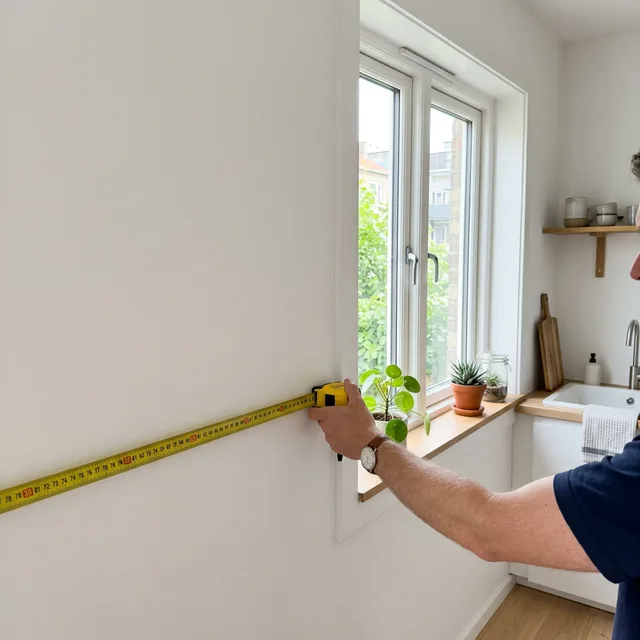
Before you buy a single thing, stare at your walls for 5 minutes. Seriously. You need a spot that meets 3 conditions:
- Light access. At least 4 hours of indirect sunlight. South-facing windows are gold. North-facing? You’ll need that $15 clip-on grow light, no exceptions.
- Wall surface. Command strips work on smooth, painted drywall and tile. They fail on textured stucco, raw brick, and wallpaper. If your wall is textured, use the tension rod method between two walls instead.
- Water proximity. Your herb wall will need misting every 2 days. If the nearest sink is 20 feet away, you’ll get lazy. I know because I got lazy. Put it within arm’s reach of water.
Step-by-Step Execution
Step 1: Prep the Wall Surface
Wipe down the wall with a damp cloth and let it dry for 30 minutes. Oils from cooking splatter (especially in a kitchen-adjacent wall) will destroy the adhesive bond of Command strips within 48 hours. If there’s any grease, use a dab of rubbing alcohol on a paper towel.
- Micro-Fail Warning: Do NOT skip the cleaning step. I lost an entire planter of cilantro because I stuck Command strips over a faint pasta sauce splatter. The strips peeled off on day 3.
Step 2: Mount the Tension Rod or Command Strip Grid
Method A — Tension Rod (Best for alcoves/narrow walls): Extend the rod between two parallel walls at 5 feet above the floor. Hang the felt planter directly over the rod using its built-in loops.
Method B — Command Strip Grid (Best for open walls): Apply 4 large Command strips in a square pattern at the top of where the planter will hang. Press firmly for 30 seconds each. Wait 1 full hour before attaching any weight. I know the package says “instant.” It lies.
- Pro-Tip Checklist:
- Use 2 extra strips at the bottom corners for planters longer than 24 inches.
- If using a tension rod, wrap the rod ends with a small piece of shelf liner to prevent wall scuffing.
Step 3: Fill Pockets with Lightweight Mix
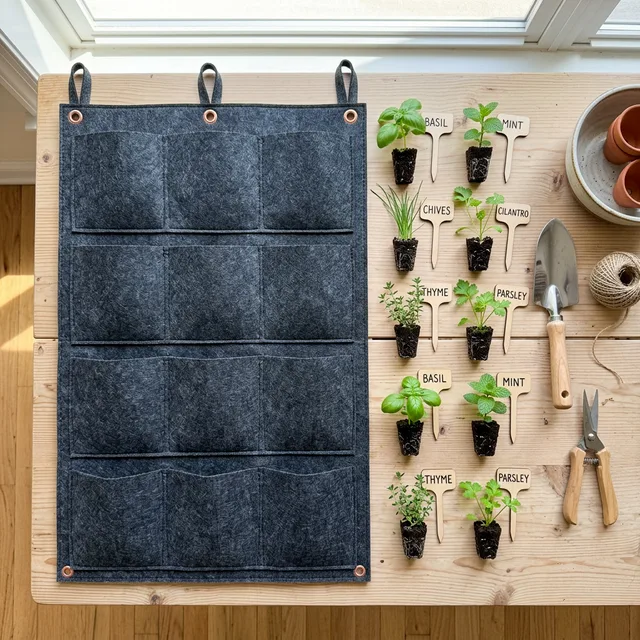
Use a lightweight indoor potting mix — never garden soil. Garden soil is too dense, retains too much water, and will make the planter weigh 3x more than it should. Fill each pocket about 75% full. Leave room for the root ball of your transplants.
- Micro-Fail Warning: Overfilling pockets causes water to cascade down the wall behind the felt. Ask me how I know. It involved $40 in Magic Erasers and a panicked text to my landlord.
Step 4: Plant Herbs by Light Requirement
Group your herbs by their sunlight needs. Mixing shade-lovers with sun-lovers in the same vertical strip guarantees at least half your garden dies.
- Top pockets (most light): Basil, rosemary, thyme — these need 6+ hours.
- Middle pockets: Cilantro, parsley — happy with 4 hours of indirect light.
- Bottom pockets (least light): Mint, chives — these survive almost anything, including your neglect.
Step 5: Set Up Watering and Drainage
Here’s the brutal truth about vertical planters: water obeys gravity. The top pockets dry out in 24 hours while the bottom pockets stay soggy for 4 days. If you water them all equally, you’ll overwater the bottom and underwater the top.
- Mist the top 3 rows every 2 days with a spray bottle.
- Check the bottom row with a finger test. If it’s damp, skip it.
- Place a narrow drip tray (a baking sheet works) under the bottom edge of the planter — it catches the inevitable runoff.
What is the best no-drill herb wall system for apartment renters?
The most effective no-drill herb wall for renters is a 12-pocket felt vertical planter mounted with 3M Command strips or suspended from a tension rod. Felt planters weigh under 3 lbs empty and approximately 8–10 lbs fully loaded with lightweight potting mix and herbs, well within the 15 lb capacity of large Command strips when used in groups of 4–6. The felt material provides natural breathability, preventing the root rot that kills herbs in plastic pocket systems. For apartments with less than 4 hours of sunlight, pair the system with a $15 clip-on LED grow light set to a 12-hour* timer. This setup supports basil, cilantro, parsley, mint, thyme, and chives — the 6 most commonly used cooking herbs — within a footprint of only 24 x 36 inches** of wall space.
Common Mistakes & Course Correction
Using garden soil instead of potting mix. Garden soil compacts inside felt pockets, blocks drainage, and adds 3x the weight. Your Command strips will fail within a week. Always use a lightweight, perlite-based indoor potting mix.
Overwatering all pockets equally. Water pools at the bottom due to gravity. Mist the top rows aggressively and barely touch the bottom. If the bottom pockets feel spongy, you’re drowning the roots.
Ignoring the weight limit. A fully loaded 12-pocket felt planter weighs about 10 lbs. If you use a 6-pocket planter and overload it with heavy ceramic inserts or wet garden soil, you’ll exceed the limit and the whole thing crashes. Weigh your setup with a luggage scale before mounting.
Conclusion
Building a renter-friendly indoor herb wall takes 45 minutes and costs less than $25. It uses no drills, leaves no marks, and gives you fresh basil at arm’s reach instead of a $4 bodega bunch that dies in your fridge. Start with mint and chives if your light is bad. Add basil when you’re ready for the challenge.
Stop buying plastic-wrapped herbs. Grow them 12 inches from your cutting board.
Safety Disclaimer
Ensure your mounted planter does not exceed the weight rating of your adhesive strips. A 12-pocket felt planter fully loaded weighs approximately 8–10 lbs; use at least 4 large Command strips rated for 16 lbs combined. Never mount a vertical planter above electrical outlets or power strips. Inspect your Command strips monthly for signs of peeling, especially in humid kitchens.
