Cool apartment decor isn’t about spending more — it’s about making intentional choices in the right order. A single well-placed large-format print against a white wall does more visual work than a shelf crowded with ten small objects. One warm floor lamp beats four mismatched overhead fixtures. The problem most renters run into is buying things reactively — one piece at a time from wherever — ending up with a room that looks busy but not interesting.
I spent $340 over six months on my first studio before I realized I’d created a storage unit with soft furnishings. Everything was fine individually. Nothing worked together. The moment I stripped it back to three anchor pieces and rebuilt around them, the room actually looked cool — and I’d spent less than $80 on that second round.
Here’s what those anchor pieces are, and how to use them.
| Apartment Type | Best Strategy | Anchor Piece |
|---|---|---|
| Studio under 300 sq ft | Vertical emphasis, fewer items | Large-format art or floor mirror |
| 1-bed rental, neutral walls | Warm lighting layer first | Rattan or paper floor lamp |
| North-facing, low light | Mirrors + warm bulbs | Oversized mirror, 2700K bulbs |
| Strict no-drill lease | Tension rod systems | Freestanding or leaning pieces |
| Budget under $50 | Charity shop + one key buy | Textured throw + warm bulb |
How Cool Apartment Decor Works in Small Spaces
In a small rental, the difference between “cool” and “cluttered” is negative space. Every object you add competes for visual attention. Cool decor wins that competition by using contrast — one rough texture against one smooth surface, one large piece commanding a wall instead of five small ones fighting for it.
The mechanics: start with the largest surface areas (floor, windows, one feature wall zone) and decide those first. Once those anchor decisions are made, smaller decorative objects slot in naturally. Do it backwards — buying small things first — and you’ll always end up with a room that looks assembled rather than designed.
How to Choose Cool Decor for a Small Apartment
Ignore matchy-matchy sets. Pre-packaged “living room sets” from furniture chains look exactly like what they are: a package. Single pieces from different sources — one thrifted, one new, one handmade — create the visual tension that reads as genuinely cool.
Scale up, not down. Counterintuitively, small rooms need larger-scale pieces. A 60×40 inch art print on a wall looks intentional. Six 8×10 inch prints on the same wall look like a school project.
Lighting beats everything. The fastest, cheapest decor upgrade in any apartment is replacing cool-white bulbs (4000K+) with warm ones (2700K). It costs $4–8 and changes the entire atmosphere of the room before you’ve moved a single object.
What Makes Apartment Decor Actually Look Cool?
Cool apartment decor relies on three elements working together: scale contrast (one large anchor piece against simpler surroundings), lighting warmth (2700K bulbs creating atmosphere rather than illumination), and textural variety (rough surfaces next to smooth ones). In a rental context, this translates to: one large-format art print or mirror as the focal point, warm-spectrum lighting throughout, and a layered textile base of rug and throw in contrasting materials. Renters can achieve this without drilling by using leaning frames, tension rods, and freestanding furniture. The total cost for a studio-scale anchor setup runs $60–120, with the single highest-impact item being a floor lamp with a warm bulb at $15–40 from charity shops or budget home stores.
11 Cool Apartment Decor Ideas That Actually Work
1. The Oversized Floor Mirror
A large leaning mirror (at least 47 inches tall) does three things simultaneously: it reflects light, makes the room read larger, and acts as a statement piece with zero wall damage. Lean it against the wall. That’s the whole installation.
The effect is strongest opposite a window or lamp — the reflected light source doubles the room’s apparent brightness. In a north-facing apartment, this is structural, not decorative.
- Real-World Application: Any rental, any floor — zero installation, carries between apartments easily
- Risk & Safety Notes: Secure the top edge with a furniture strap to the wall (command strip anchor) if you have children or pets, or live somewhere seismically active
- ✅ Pros: Instant room-enlarging effect; no tools; works in any style
- ❌ Cons: Needs regular cleaning; can look odd if not sized correctly for the wall
2. Large-Format Art Print (Unframed, Leaning)
A single 24×36 inch or larger art print, unframed, leaning against the wall on the floor or on a shelf — costs $15–40 on Etsy or Society6 and creates more visual impact than an entire gallery wall. The unframed look is intentional and current. Lean it slightly forward for stability.
Subject matter for maximum cool factor: abstract color field prints, architectural photography, botanical illustration at large scale, vintage travel posters.
- Real-World Application: Best against a wall with some breathing room — don’t wedge between two pieces of furniture
- ✅ Pros: No holes; easily swapped; inexpensive; current aesthetic
- ❌ Cons: Can slide on smooth floors — use a small rubber non-slip mat underneath
3. Warm-Spectrum Bulb Swap (The $4 Upgrade)
Replace every bulb in your apartment with 2700K warm white LEDs. Do this before buying any other decor. Seriously. The shift from cool-white overhead lighting to warm-spectrum completely changes how colors, textures, and materials read in a room.
Cost: $4–12 total for a studio. Impact: equivalent to a $200+ decor purchase.
- ✅ Pros: Cheapest decor upgrade that exists; reversible; instant effect
- ❌ Cons: None, honestly — if you’re reading this and haven’t done it yet, stop and do it now
4. Rattan or Paper Pendant Shade
Slip a rattan or paper shade over your existing ceiling fitting — no wiring, no electrician, $15–35. The change from a bare bulb or flat plastic shade to a woven rattan pendant transforms the entire light quality of the room, creating dappled warm patterns on the ceiling and walls.
Most shades slip over the existing fitting with a simple ring attachment. Check the fitting diameter before buying (E27 is standard in Europe, E26 in the US).
- ✅ Pros: No tools; huge visual impact; reversible; works with any existing fitting
- ❌ Cons: Reduces overall light output — compensate with floor lamp
5. Tension Rod Curtain Wall
A tension rod mounted between two walls — or inside a window recess — carrying sheer linen or cotton curtains creates a full-height soft panel that adds texture, diffuses light, and defines zones in a studio. No drilling, no brackets.
For a room divider effect in a studio: two tension rods, one curtain panel each, creating a soft separation between sleeping and living areas. Full method in the studio apartment layout guide.
- ✅ Pros: Zero damage; transforms light quality; creates spatial definition
- ❌ Cons: Tension rods have weight limits — check before hanging heavy velvet or blackout fabric
6. The Chunky Textured Throw
A single oversized knit or woven throw (at least 50×70 inches) draped over a sofa arm or the foot of a bed does more for a room’s “cool factor” than most people expect. The scale matters — small throws look like afterthoughts. Chunky knit, waffle weave, or rough-woven cotton in neutral or earthy tones.
Cost: $15–35 from charity shops or IKEA. Upgrade to a handwoven version for $60–90 if you want to invest in one key textile.
- ✅ Pros: Portable between apartments; functional; instant warmth and texture
- ❌ Cons: Chunky knit sheds — check for loose fibers before buying light-colored sofas
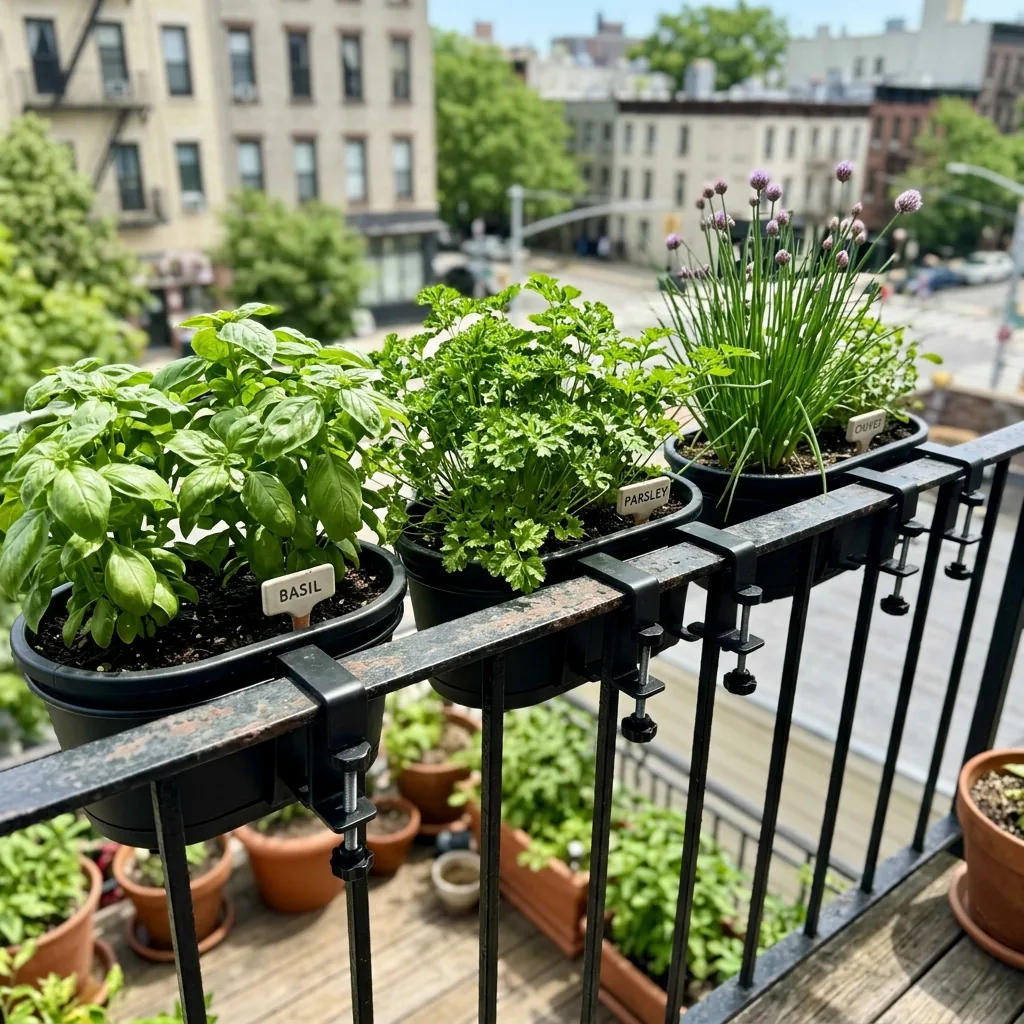
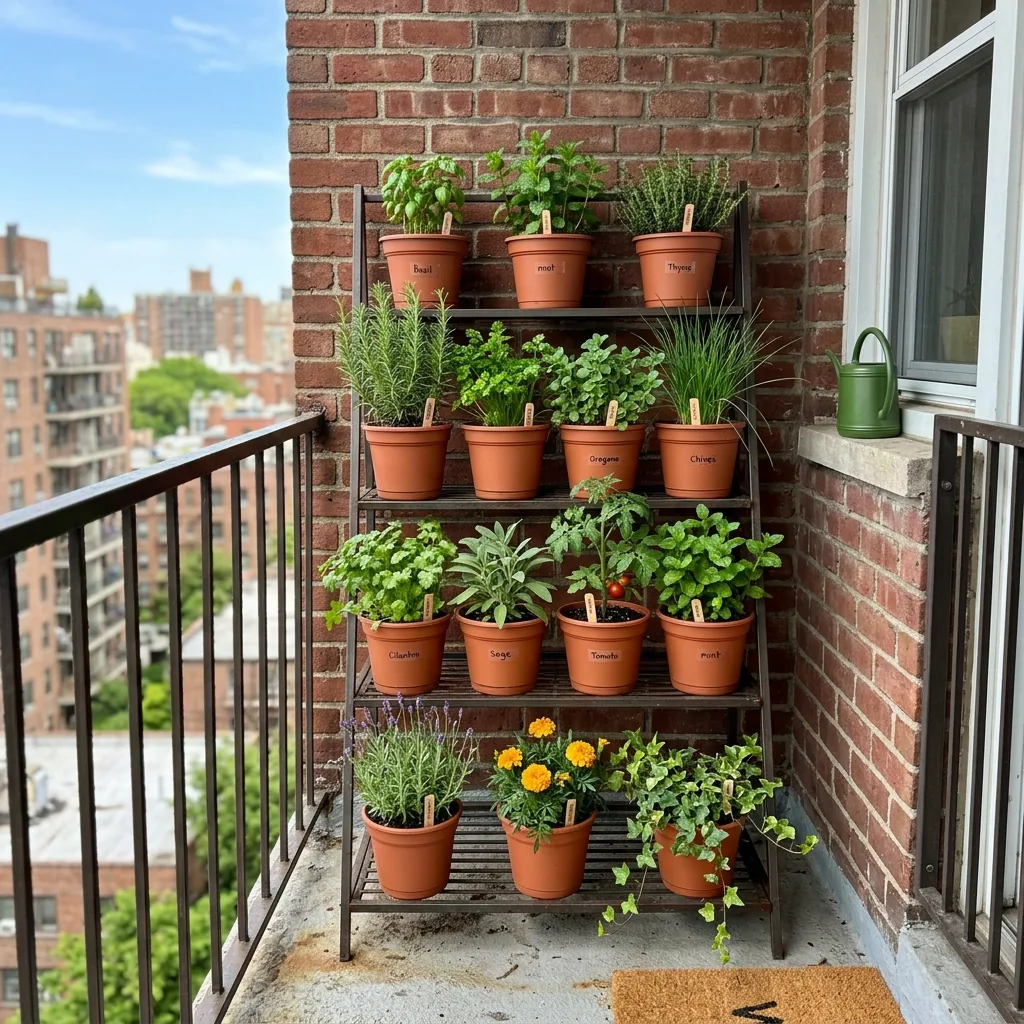
7. The Plant + Pot Combination (Not Just the Plant)
Most apartment plants look afterthought-level because the container is wrong — cheap nursery plastic, mismatched colors, no visual weight. The plant and pot together are a single design object. A monstera or fiddle leaf in a matte terracotta pot on a wooden riser creates a completely different visual statement than the same plant in its nursery black plastic.
Budget $15–25 for a good pot. It will outlast three plants.
- ✅ Pros: Living texture and color; improves air quality marginally; personality
- ❌ Cons: Requires maintenance — if you regularly kill plants, start with a pothos or snake plant
8. Floating Shelf (Without Drilling)
IKEA LACK or equivalent floating shelf mounted with heavy-duty adhesive strips (3M Command Large strips rated for 16 lbs) gives you display space without holes. Load limit per shelf: keep under 5 kg. Use for books, ceramics, trailing plants.
For a no-drill option that holds more, the tension pole shelf system (IKEA OBSERVATÖR-style) runs floor-to-ceiling and holds 15–20 kg per shelf with zero wall contact.
- ✅ Pros: Display space without damage; clean modern look
- ❌ Cons: Adhesive has a weight limit — don’t overload; test adhesion on your specific wall type first
9. Vintage or Secondhand Wooden Side Table
A small wooden side table — stool height, natural or oiled finish — next to a sofa or bed grounds the space and adds organic warmth no IKEA flat-pack can replicate. These cost $5–20 at charity shops and estate sales. The grain variation, slight imperfections, and aged patina are the point.
Pair it with a small plant or ceramic object on top. Two items maximum — negative space on the table surface matters.
- ✅ Pros: Inexpensive; unique; adds warmth; portable
- ❌ Cons: Variable condition at charity shops — check for structural soundness before buying
10. Gallery Ledge (Leaning Prints, No Holes)
A picture ledge shelf (IKEA MOSSLANDA, $10) mounted at eye height with command strips holds multiple leaning prints that you can swap without touching the wall. No new holes per print change. Rotate art seasonally or whenever you’re bored of the current arrangement.
For a more substantial display, two or three ledge shelves staggered at different heights create a genuine gallery wall effect without a single nail.
- ✅ Pros: Completely flexible; no holes per piece; low cost; swappable
- ❌ Cons: Shelf itself requires adhesive mounting — test wall compatibility first
11. The Single Statement Rug
Everything else in this list supports one foundational decision: the rug. It defines the room’s color temperature, anchors the furniture grouping, and determines how everything else reads. Get it right and the room comes together. Get it wrong (too small, too cool in tone, too patterned) and nothing else fixes it.
Minimum sizes: Studio — 5×8 ft. Living room — 8×10 ft. The rug should extend under the front legs of the sofa at minimum. A rug that only sits in front of the sofa is a bath mat.
Material for cool factor: jute, wool flatweave, vintage kilim style, or boucle. Avoid machine-made polyester pile — it looks flat and collects static.
- ✅ Pros: Single highest-impact decor item; sets the room’s whole tone
- ❌ Cons: Large sizes get expensive new — look secondhand, Facebook Marketplace, estate sales
My Experience with Cool Apartment Decor in a Tiny Studio
My current apartment is 285 sq ft, north-facing, 8th floor, white walls, laminate floor the color of a plaster cast. Classic rental. No character whatsoever at move-in.
The three things that made the biggest difference, in order: First, the 2700K bulb swap — cost $6, changed everything, took 10 minutes. Second, a jute rug, 5×8 ft bought for $22 at a charity shop. Third, a rattan floor lamp for $8 from the same shop. Total: $36. The room went from “sad temporary living” to “actually inhabitable” in one afternoon.
After that, I added a large unframed botanical print leaning against the wall ($18 from Etsy), a secondhand wooden side table ($12), and a chunky knit throw ($9 at a church sale). The whole room cost $75 to make look genuinely cool. Not styled-for-Instagram cool. Actually-good-to-live-in cool.
The one thing I’d do differently: I bought the throw before the rug and they were slightly mismatched in warmth — the throw read slightly more orange against the rug’s natural undyed tone. Small thing, but I notice it. Pick your base textiles in person where you can compare them under actual light.
Conclusion
Cool apartment decor comes down to hierarchy: big decisions first (rug, lighting, one anchor piece), smaller objects later. Renters specifically benefit from leaning, layering, and tension — installation methods that leave no marks and move with you. The total investment for a studio-scale upgrade using this approach sits at $60–120 if you’re sourcing smart. Less if you thrift.
Start with the bulbs. Then the rug. Everything else builds on those two decisions.
Safety Disclaimer
Adhesive mounting strips have specific weight limits that vary by surface type — test on your wall material before hanging anything over **2 kg**. Oversized leaning mirrors should be secured at the top with a furniture strap or adhesive anchor, especially in households with children or in areas with seismic activity.
—