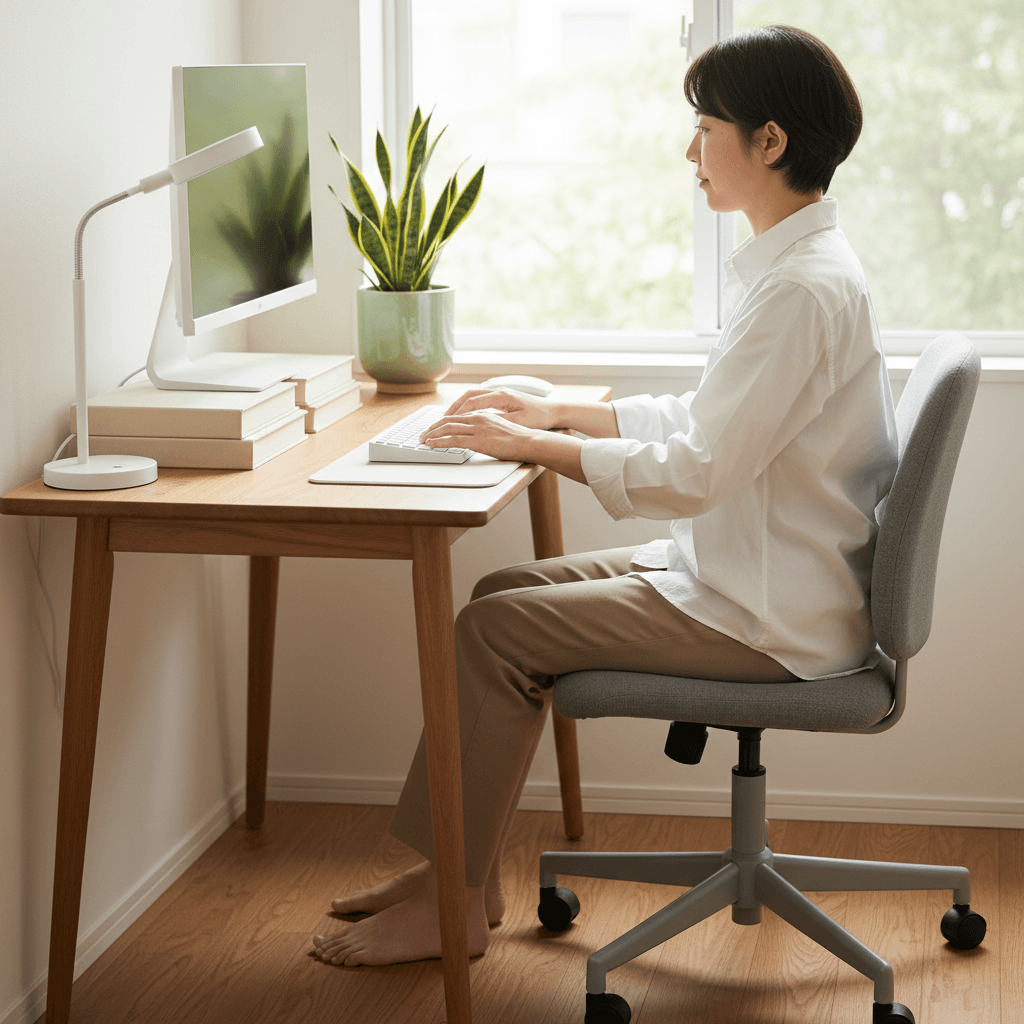
When decorating a micro-studio, your first instinct is usually to buy bulky, solid furniture that claims to offer massive internal storage. However, placing a massive, blocky sofa or a thick wooden dresser directly onto the floor creates an immediate visual roadblock. You must learn the secret of the “floating” room. Replacing standard blocks with the best furniture legs for small apartments instantly creates an optical illusion of space, light, and airflow without changing the square footage.
If you rent an apartment, permanently altering a structural wall to hang a floating TV console or screwing heavy-duty brackets into the vintage hardwood floor will destroy your security deposit. You need a renter-friendly solution that transforms cheap big-box furniture into high-end, airy designer pieces.
In this guide, we break down the most effective, no-drill methods for upgrading the best furniture legs for small apartments to maximize your visual square footage entirely safely.

1. The Paradox of Visual Airflow
Interior designers rely on a simple concept: if you can see the floor stretching continuously beneath a piece of furniture, your brain perceives the room as massive.
When a heavy IKEA KALLAX shelving unit or a cheap, boxy sofa sits flush against the floor, it physically cuts the room into smaller blocks. By raising that exact same unit mere 15 centimeters off the ground using thin, elegant legs, you allow light, shadows, and air to pass underneath. The piece of furniture instantly stops acting like a visual wall and instead “floats.” This is the core psychological trick that makes the best furniture legs for small apartments drastically outperform solid-base cabinets.
2. Upgrading Big-Box Modular Furniture
You do not need to buy a $2,000 designer teak credenza to achieve this look. The most powerful renter hack is customizing standard flat-pack furniture using aftermarket hardware.
Dozens of specialized companies (like Prettypegs or Norse Interiors) manufacture high-quality, solid wood or spun metal legs specifically engineered to screw directly into the pre-drilled M8 threaded holes found on the bottom of popular IKEA sofas, beds, and cabinets. You simply unscrew the ugly, black plastic “stump” legs that came with the cheap box and twist in an elegantly tapered mid-century wooden leg or a sleek matte black metal cylinder. In exactly four minutes, a generic $80 TV stand looks like a custom architectural piece.
3. The Power of Hairpin Legs
When replacing legs on a coffee table, nightstand, or a DIY desk, the structure of the leg itself dictates how much visual weight the piece carries in your apartment.
Thick, carved wooden legs are bulky and traditional. For a micro-studio, you must hunt for the thin, industrial elegance of the hairpin leg. Made from bent, solid steel wire, a hairpin leg provides incredible structural stability but is visually almost transparent from certain angles. The empty space between the thin steel rods allows you to see right through the leg to the baseboard behind it. Elevating a simple slab of wood on four hairpin legs creates a robust dining table that takes up barely any visual space in the room.
4. No-Drill Adhesive Furniture Risers
If your heavy sofa or vintage dresser does not feature pre-drilled M8 threaded insert bolts, you might assume that installing new legs requires heavy power tools.
To avoid drilling massive lag bolts into an antique piece of furniture, secure heavy-duty, no-drill adhesive furniture risers. These are sturdy, often carbon-steel or solid rubber blocks backed with incredibly powerful industrial adhesive, like 3M VHB. You tip the sofa backward, peel the backing off the riser, and stick it firmly onto the flat base corner of the furniture frame. Once the extreme weight of the sofa presses down on the riser, it locks the adhesive in place permanently, instantly lifting the piece 10 centimeters off the floor so a robot vacuum can easily glide underneath.
5. Caster Wheels Make It Mobile
In a 25sqm studio, static furniture is an enemy of function. If you need to transform the living room into a home gym or a dining space, dragging a heavy coffee table across delicate flooring is a disaster.
The best furniture legs for small apartments are not always static legs; they are heavy-duty, locking caster wheels. Swapping out the wooden legs on your coffee table or kitchen island for industrial, rubberized casters provides massive functional flexibility. You can push the entire island into the corner with one hand when guests arrive. Ensure you select soft polyurethane casters if you have hardwood floors, as hard nylon wheels will scratch and gouge the varnish over time.
6. Utilizing the Newly Found Under-Space
Elevating your furniture is not purely an optical illusion; it creates highly valuable, hidden storage real estate.
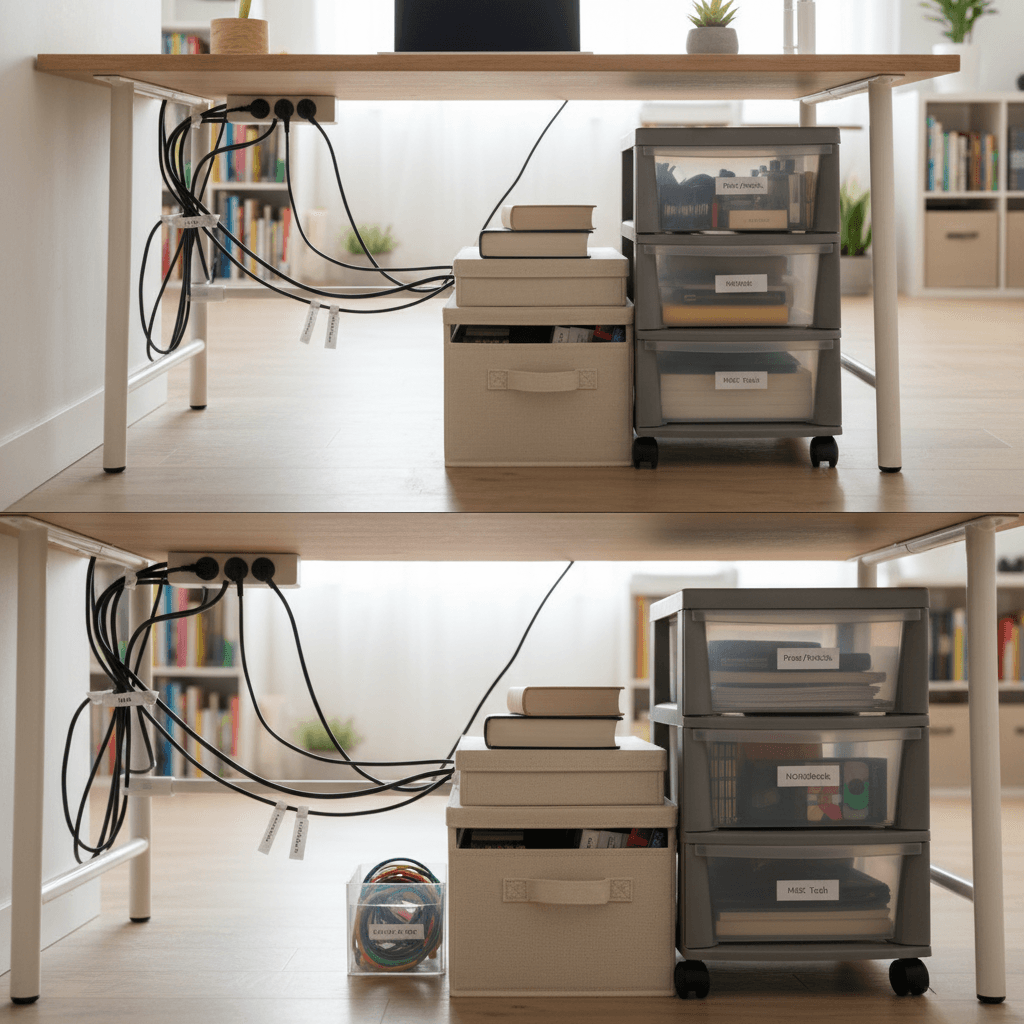
Once your bed or deep sofa is raised 20 centimeters off the floor, do not leave that newly discovered void empty. Use rigid, low-profile under-bed storage boxes mounted on tiny wheels to slide out of sight under the sofa. Because you chose elegant legs, the bulky items like extra blankets, winter sweaters, and flat boxes are completely hidden in the dark shadow cast by the furniture, leaving the rest of your apartment miraculously uncluttered.
7. Matching Hardware Aesthetic
Nothing ruins the elevated, chic look of a floating piece of furniture faster than mismatched architectural hardware.
If the brass handles on your dresser drawers are a shiny yellow tone, purchasing matte black steel legs creates a jarring, cheap contrast. You must treat your furniture hardware like jewelry. Coordinate the material and finish of your new legs perfectly with the door knobs, light fixtures, and hinge plates already existing in the room. If your apartment features brushed nickel fixtures, buy brushed nickel, slightly tapered cylinder legs for your TV console. This cohesive styling immediately unifies the micro-studio.
Evaluating Floating Furniture Hacks
Use this chart to prioritize your leg hardware based on your existing furniture and floor type:
| Leg Upgrade | Best Used For | Drill Required? | Floor Safety |
|---|---|---|---|
| M8 Tapered Wood | IKEA sofas & beds | No (Screw into pre-holes) | High (Add felt pads) |
| Metal Hairpin | Tables & Desks | Yes/No (Adhesive option) | High (Include floor guards) |
| Adhesive Risers | Heavy Vintage Dressers | No (3M Tape used) | Medium |
| Locking Casters | Coffee tables, Islands | Yes | Very High (If rubberized) |
Safety Disclaimer: Never use adhesive risers on a high-traffic bed frame or a heavy dining chair that is constantly pushed back and forth. The lateral sheer force will eventually snap the adhesive bond. Save adhesive risers exclusively for heavy, totally stationary items like tall dressers or solid wood TV consoles.
Conclusion
Maximizing a small space begins from the ground up. By ditching blocky bases and upgrading to the best furniture legs for small apartments, you use light and airflow to physically expand your living room. You do not need expensive power tools to create the illusion of a floating, minimalist oasis; you only need a screwdriver, an M8 threaded bolt, or an industrial adhesive pad.
Ready to open up your living room? Look at the bottom of your TV stand right now. If it has four black plastic stumps, order a set of spun brass replacement legs today and instantly elevate your decor.
Will adding tall metal legs make a cheap particle-board dresser unstable?
Yes, if the dresser is very tall and narrow. Adding height physically raises the center of gravity, increasing the risk of the furniture tipping over. You must rigidly bolt the top of an elevated dresser to the wall studs using an anti-tip strap if you raise the base leg height.
How do I protect my soft pine floors from thin hairpin legs?
Solid steel hairpin legs exert massive pressure on tiny surface areas. You must purchase specialized, clip-on rubber or hard plastic ‘floor protectors’ designed specifically to fit snugly over the rounded tip of the steel rod.
Can I use locking casters on a rolling bed frame?
Absolutely. Buy high-quality, dual-locking casters. A dual-lock mechanism stops the wheel from rolling both forward _and_ stops the vertical swivel bearing from spinning. Your bed will not glide away from the wall when you sit down.